
PHOTO
In her recent article (Opinion ODT 24.6.26) Hillary Calvert laid out the case for local body amalgamation in Otago citing among the many advantages that Otago assets would remain in local ownership for the benefit of the region and its people.
But it’s not just the obvious businesses such as Port Otago that make the idea attractive, it’s also the potential for efficiencies across many sectors that have no direct quantifiable value, such as the built heritage assets in the current separate councils of Waitaki, Queenstown Lakes, Central Otago and Clutha.
Dunedin is unquestionably the built heritage capital of New Zealand. The Dunedin City Council has good processes in place to manage heritage assets across the region while still allowing commerce to flourish. And although I am quite often in an adversarial role, I acknowledge the staff are properly qualified for the positions they hold.
This is not the case with Heritage New Zealand, which raises the obvious question about the value of having that entity at all. Rehashing council operations into a new unitary council provides a good opportunity to look wider for more efficiencies — as in management of built heritage assets.
The annual budget for HNZ is about $18 million, and they employ about 120 staff across the country. Regional staff numbers are not published, but my estimate is there are about 20 people in the Dunedin office, all on high salaries.
Councils are quite capable of managing the built heritage of the region — they do it now anyway, so why do we need another layer of Heritage NZ bureaucracy?
The answer is that they are not needed; cut the annual budget to employ the few people that would be needed to manage the national monuments and state-owned properties, and leave management of the regional built heritage assets in the care of the new unitary council.
The wider potential regional efficiencies are very attractive, especially considering the perennially dysfunctional Waitaki District Council and its constant self-aggrandising posturing.
Waitaki has been mismanaged for decades, a small council vulnerable to nods and winks to fund projects the district cannot afford.
Add to that under-qualified people in management roles deferring to agencies such as HNZ leads to stifling of economic development.
The anonymising effect amalgamation would have is appealing, where the small town bias by councillors and staff in support or opposition to projects would be removed. Regional importance for built heritage would be the defining criterion where local people decide, avoiding HNZ bureaucratic overreach.
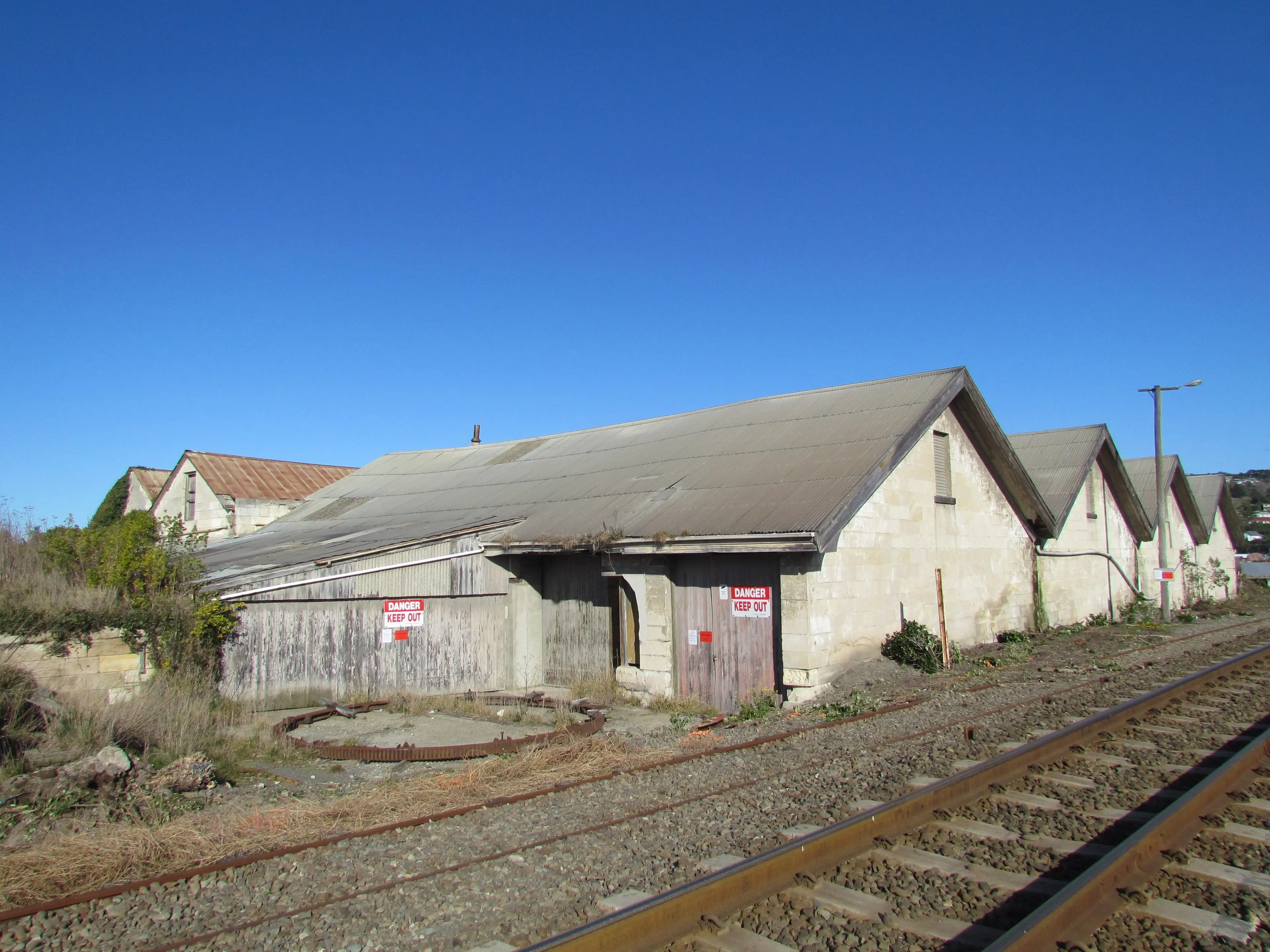
Oamaru’s freezer building is a good example of such overreach. Built in 1880s, decommissioned in 1914 and vacant since, then declared unsafe in 2015, all the while ``protected’’ from what HNZ would consider ``inappropriate development’’. The buildings are now in line for demolition, because Waitaki District Council doesn’t know what to do with them.
What was the point in having HNZ category 2 status in the first place if you’re going to prevent development in the name of heritage conservation?
A regional overview and understanding of the impact that heritage bureaucracy has on the viability of downtown would hopefully be developed under a unitary council, where it would be local people, advised by suitably qualified heritage experts who decide which buildings and structures are culturally important to Otago instead of pointy heads in a central government agency shaping our towns and cities.
• Ian Butcher is a North Otago heritage architect.