
PHOTO
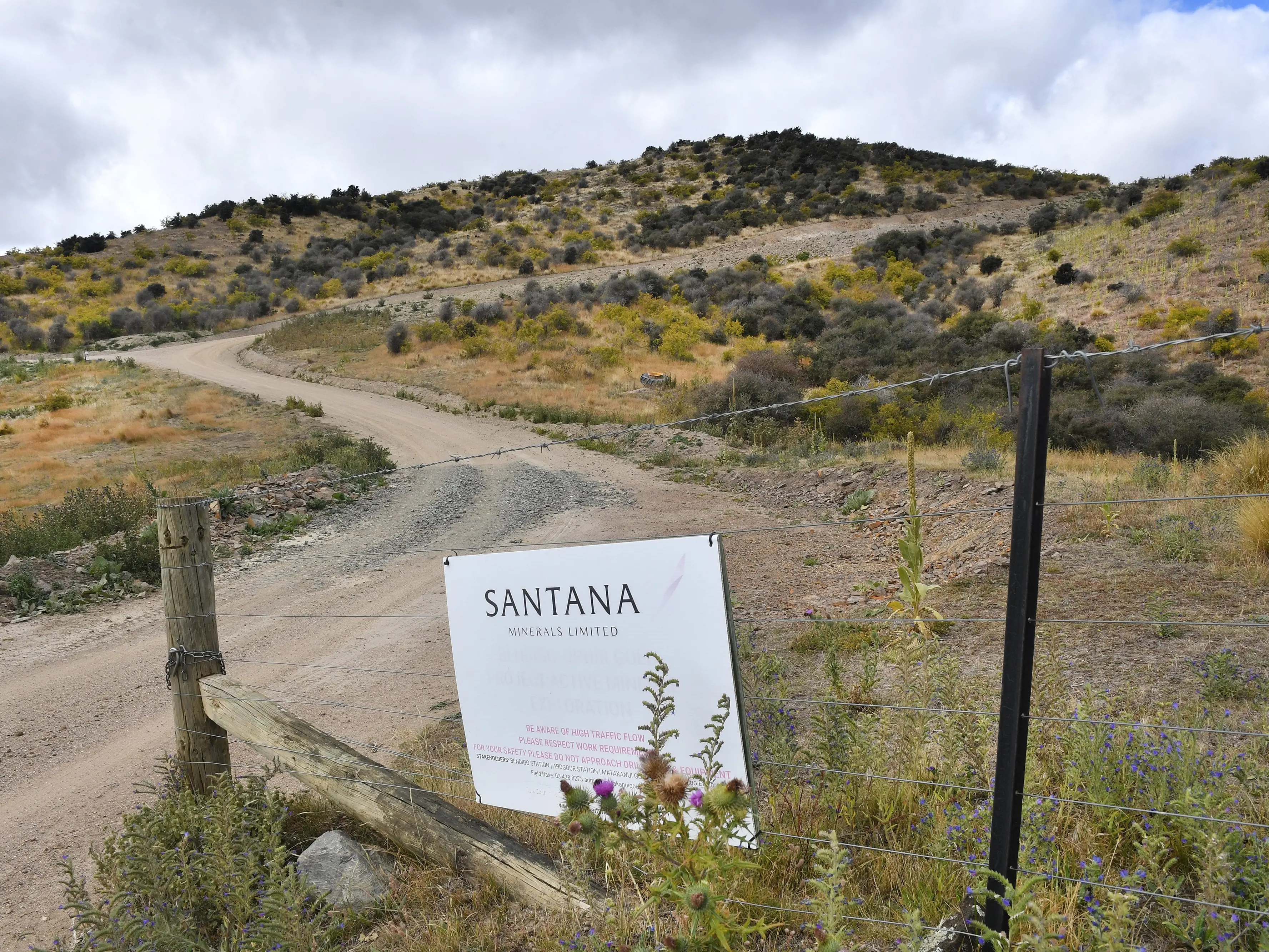
I recently came across the following verse of the American poet John Godfrey Saxe (1816-87) which is a perfect analogy for the Santana mine debate.
‘‘It was six men of Indostan, to learning much inclined
Who went to see an elephant (though all of them were blind)
That each by observation might satisfy his mind ‘‘
Saxe retold the complete Hindu proverb The Blind men and the Elephant, where six blind men described what they felt, learnt and imagined by each only touching one area of the elephant.
Each of the six was emphatic that the area they touched was correct, yet each had a different perception of what they thought the object was.
Despite being an expert in their own field each opinion differed.
Saxe implies we need to look at issues holistically for a deeper understanding than any singular expert witness opinion can reasonably offer.
He says that if everyone understood an issue holistically — arguments would no longer be necessary.
However, without a wider understanding, an argument has no right or wrong. Saxe says ‘‘it’s just fools arguing about their beliefs’’.
The issue of mining has now become a past v present v future debate. The younger players migrate to where jobs and money sit.
They don’t engage in formal hearings. They just observe, shrug their shoulders and leave for Western Australia.
The past is obvious as the mining history is now protected.
Methinks a certain irony exists here.
The present is conflicted and so the outcome is uncertain, but this situation is optional for us all. Some will say — stop the world I want to get off.
Others demand their say in all future options despite the opportunity cost to the nation.
Doing nothing very much at all is not an option for the future as demand replaces desire.
Currently we apply the blindfold to ourselves as we try to work out what the elephant of the future really looks like.
We don’t talk about seeking common ground. We simply employ expert witnesses to speak well and sagely of that which can be a false description of a wider reality.
Such people obviously speak well to their own particular interest, yet it is not possible to ignore or lessen other opinions along with their deeply held and lived experiences.
Any singular truth based on a limited subjective experience is no more valid because it has an academic tone to its delivery.
Years of passionate environmental debate now lessen the chance of lowering the drawbridge to the silos we all appear to live in.
The cities have become a place of ongoing conflict between old and new, convenience and challenge but where too many experts live with oversight of rural values.
Each of us claims absolute truth based on subjective experience while ignoring the other parties equally limited subjective experience.
I leave the last words to the poet.
‘‘So oft in [environmental] wars
The disputants I ween
Rail on in utter ignorance
Of what each other mean
And prate on about an elephant
Not one of them has ever seen.’’
• Gerrard Eckhoff is is a former Otago regional councillor and Act New Zealand MP.