
PHOTO
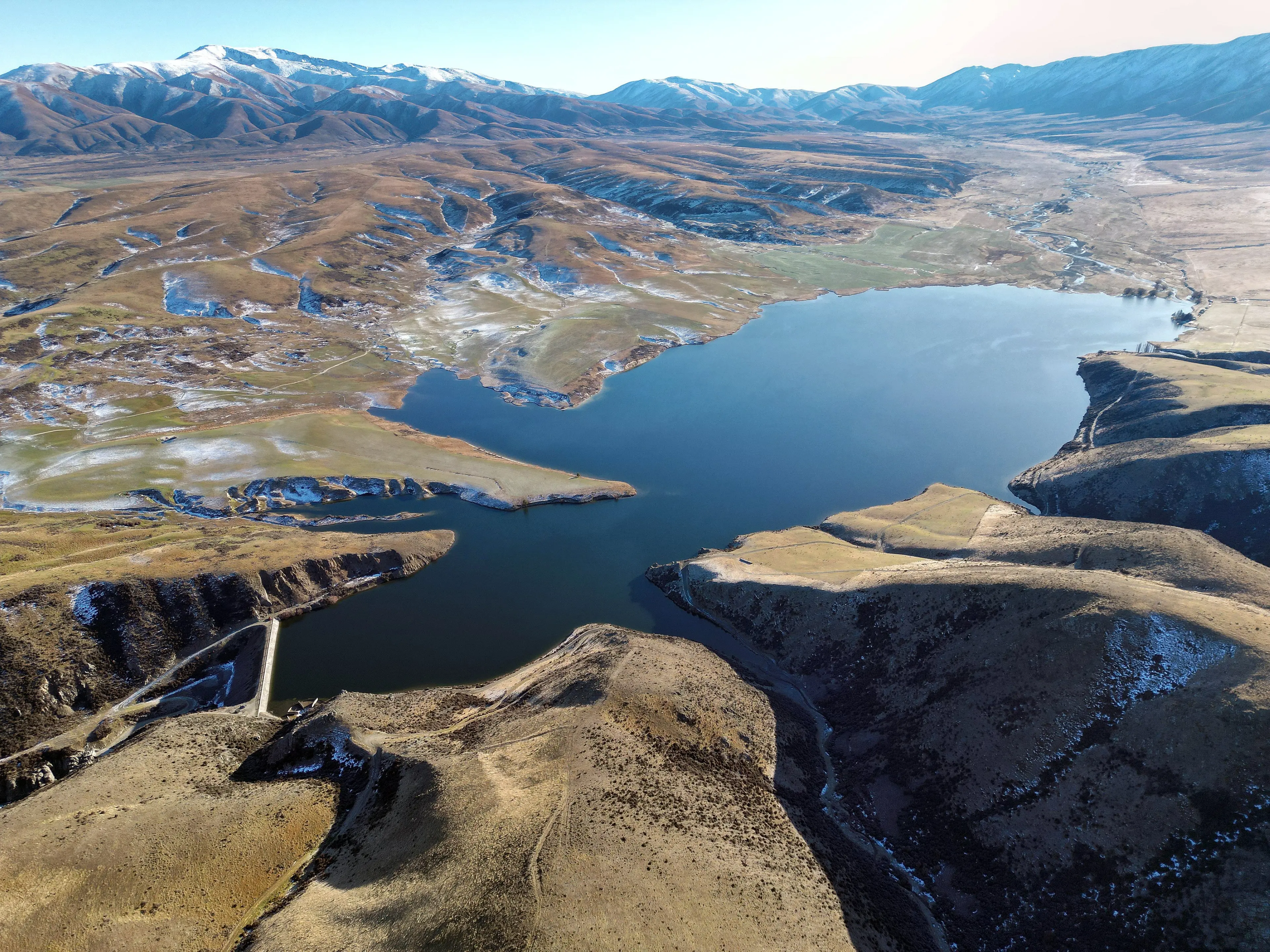
The Central Otago District Council is considering supporting a Bill to central government that would effectively bypass local opinion and normal political process in replacing Falls Dam.
The current proposal is for a dam that would store four times the water than the existing one and set minimum flows on the Manuherikia by government fiat.
This would effectively make the exhaustive process to establish a minimum flow regime for the Manuherikia catchment under the Otago Land and Water Plan, a process that involved wide consultation with the community and applied the latest science on the river, a waste of time.
Otago Regional councillor Garry Kelliher boldly stated in the Central Otago News (23.4.26) that the decisions on the river would go nowhere unless they were taken out of the hands of anyone in Otago.
That in effect is tacitly admitting that most people in Otago, both Central and regional, don’t see benefit for them in a bigger Falls Dam and certainly don’t see justification for them paying for it in their rates. Any decision by the council to support a Bill to facilitate replacing Falls Dam and set minimum flows is therefore anti-democratic.
Replacing the existing dam will require significant input from taxpayers and ratepayers because the farmers who would benefit from the irrigation water from the dam cannot afford to pay for it. An EOI sent out to farmers in the Manuherekia catchment in 2017 found there was insufficient interest from farmers for it to go ahead. Cost was the main concern.
That, in itself, should tell you something, that trying to facilitate intensive land use in a summer dry climate like Central Otago is expensive and economically irrational with the type of infrastructure that exists.
Most of the dams that feed the irrigation schemes in the Manuherikia catchment were funded by government when they were first built in the 1930s and before.
This has allowed land uses to establish that can’t afford to pay for the system that sustains it as they were subsidised in the first place. This is borne out by having to replace Falls Dam and the cost this involves. There are numerous other dams that will require expensive upgrading over the next decade.
So, the CODC is considering using ratepayer funds to support an intensity of land use that can’t afford to pay for maintaining the infrastructure that supports it.
It gets worse. The existing irrigation schemes that rely on Falls Dam and water takes from the Manuherikia, which has no comprehensive minimum flow regime to protect the ecological health of the river, has facilitated a rapid expansion of intensive irrigated land use in the catchment, much of it in dairy and dairy support.
In lock step with this we have seen a steady decline in water quality in the Manuherikia to where now the ORC’s own website ranks the water quality at Shakey Bridge as poor and declining with warnings to stay out of the river after periods of rainfall when E. coli readings are high.
This has real consequences for those who seek enjoyment in swimming, kayaking and fishing in the river, activities that Central Otago used to be renowned for by residents and visitors.
The proposal being floated is to replace Falls Dam with one that would hold four times the volume held by the current dam. The current dam is estimated to irrigate 8000ha. To defray the cost of the new dam there will be a strong push to significantly expand the irrigated area.
This will unavoidably mean a major expansion of dairy and dairy support as these are the most profitable land uses under irrigation.
They are also two of the main contributors to a decline in water quality in the Manuherikia. Think Canterbury and Southland and the effect dairy-related farming is having on water quality in those regions.
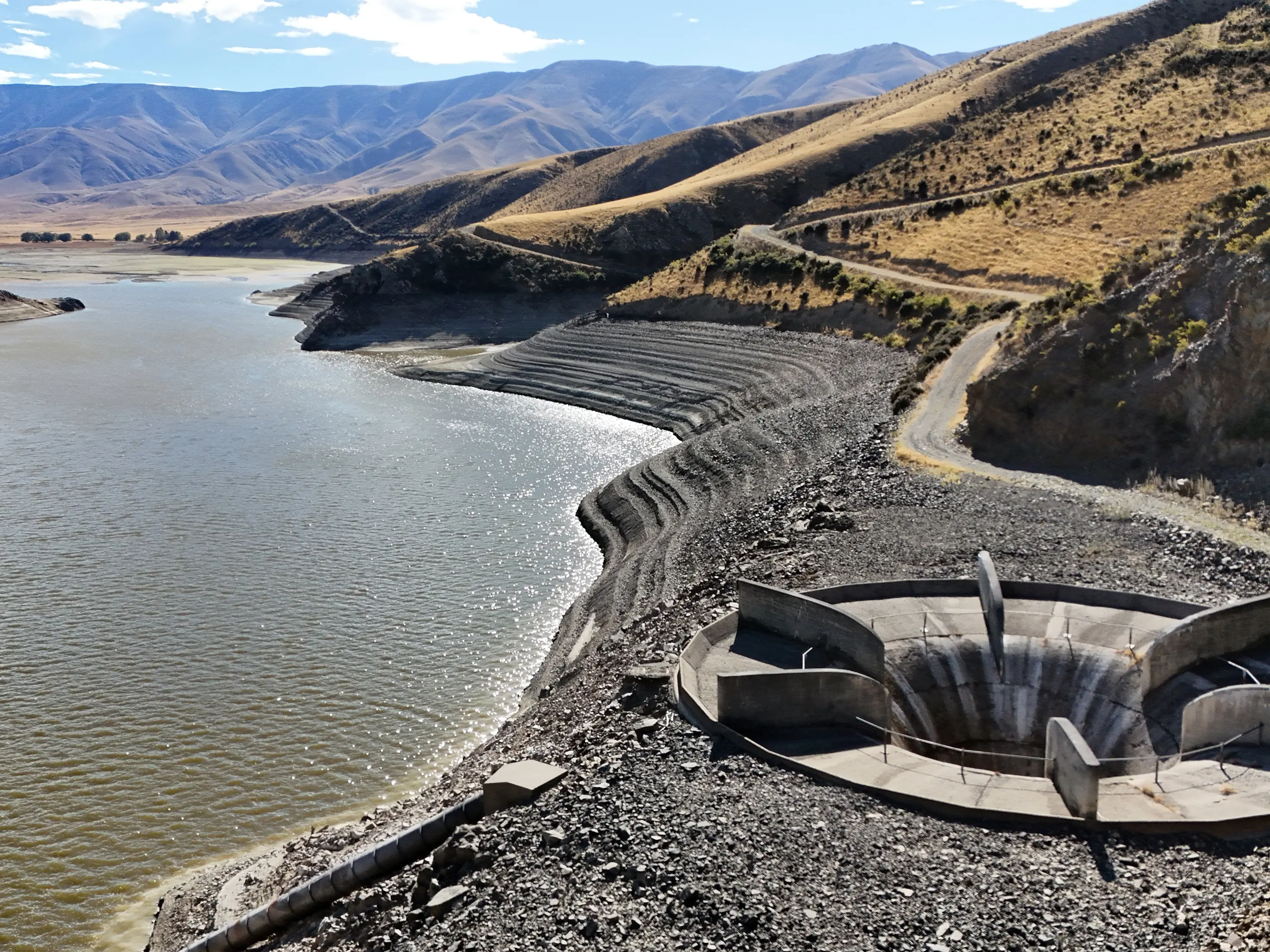
Evidence is showing that even best practice on highly porous alluvial soils cannot prevent intensive dairy and dairy support from have a major adverse effect on water quality.
In 2024 the CODC commissioned a survey of its residents which culminated in the District Vision Report. This survey found that over 90% of residents reported that the main reason they lived in Central was because of its natural environment. and secondly, the opportunities of getting out in this environment.
The survey found 80% of the residents had arrived in the district since 2000 so it is reasonable to assume that these same environmental qualities are an important factor in people choosing to live here.
So, in effect the council is considering using ratepayers’ funds to subsidise an expansion of a land use that undermines the very qualities that people come to Central to enjoy.
The economic benefit from expanding intensive land use in the Manuherikia is commonly used to justify council and government subsidy for Falls Dam.
Agriculture, including horticulture and viticulture makes up 16% of GDP of Central Otago. Pastoral farming makes up about 55% of this.
So, pastoral farming in the Manuherikia is an important contributor to the districts GDP but not so significant that it justifies sacrificing a significant natural asset in a healthy, clean Manuherikia river that underpins other industries and lifestyles.
Much is made of the trickle-down economic benefits to the community from subsidising agricultural development such as irrigation. Apart from this theory having been generally discredited, a close examination of money flows through farming systems suggests that the downstream benefit flowing to the local economy is less than might be expected.
Farming is both a cash generation business and a capital accumulation business. Farmers, with the current tax settings and a wish to minimise their tax burden, invariably choose to plough their surpluses into capital assets like acquiring more land or investing in assets such as irrigation systems that adds to capital gain which is untaxed.
Much farming income therefore goes to banks in servicing debt and not to the local economy.
Providing environmental flows is another common justification for government subsidising irrigation dams. The Mean Annual Low Flow (MALF) of the Manuherikia without irrigation take is estimated to be 4 cumecs at the Alexandra campground. The irrigators are lobbying for 1.1 cumecs as a starting point for a minimum flow here.
The Manuherikia, with its natural flow, had ample water even in dry summers to maintain healthy ecological function.
So, in effect the council would be proposing that the community pay for maintaining summer flows in the river to mitigate the effects of the private taking of water for irrigation. That is simply socialising the costs while privatising the profits.
There is a place for irrigation in the Manuherikia basin, but that place is a private economic one that is conditional on it not degrading the ecological health of the river and its tributaries and standing on its own feet to maintain the infrastructure that supports it.
There is no justification for the taxpayer or ratepayer subsidising it. If the irrigators cannot afford to upgrade or replace Falls Dam because they find it unaffordable, the council should lead a discussion on decommissioning it.
• Phil Murray is co-chairman of the Central Otago Environmental Society.