
PHOTO
First of all, the good news.
The Resource Management Act (RMA) will soon be gone for good. After reaping destruction over our productive sectors — of all hues for past 35 years, the RMA is to be finally to be consigned to the scrap heap of history.
The former National Party minister for the environment and parliamentary commissioner for the environment from 2017 — Simon Upton — apologised for the Act in his valedictory speech in 2001.
It has taken 30-odd years for Parliament to finally realise just how torturous the RMA was on the economy. The experiment in environmental socialism — where everybody and their pet dog had the chance to delay, obstruct, hinder and otherwise impede the productive sectors’ desire to grow the economy — is now reaping a failed harvest.
The legacy of the RMA, once touted as world-leading legislation for all nations to follow, has taken this country down a rabbit warren of consents where the cost far outweighed the benefit. No other country has followed our legislative example of self-harm. Property and human rights to property ownership were set aside in favour of creating a form of environmental welfarism.
The RMA took away individual property rights and distributed them to special interest groups. Councils were even able to identify what was described as an outstanding natural feature on private land and control its land use, thereby reducing, if not destroying real value.
The same people who promoted the RMA also wanted more hospitals and schools built; more help for the homeless, safer roading infrastructure and all to be financed by a shrinking productive sector.
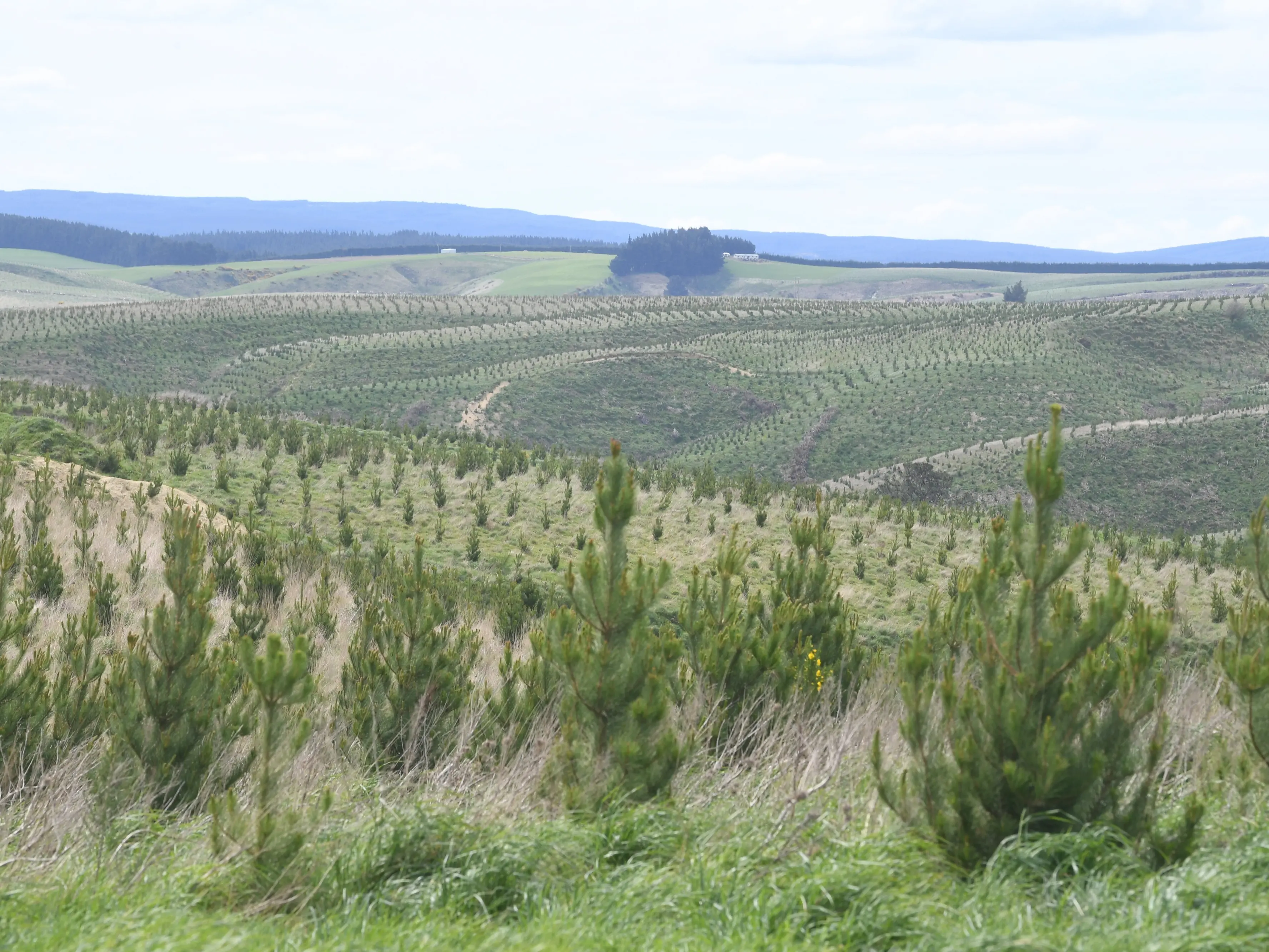
We need a fully functioning, fully specified hospital in Dunedin and elsewhere in New Zealand, but thanks in large measures to the RMA, we no longer have an affordable First World health system. What the RMA has delivered in spades is the legacy of pine trees all over New Zealand, soon to be the worst environmental disaster since the introduction of rabbits and gorse.
For too many rural people, the RMA enforced a silent transfer of authority away from the rightful owner of natural values who once had a daily hands-on control to a high level of interest group control through an informal "taking" process.
The great tragedy of the RMA was the removal of personal responsibility to unaccountable authorities such as regional councils. The only thing the RMA ever built was resentment.
We desperately need the authorities to rebuild trust and respect in land managers to be an integral part of the new environmental Bills’ outcome.
Now for the bad news — which means more of the same.
The consultative process of the RMA was a farce. Under the RMA, consultation meant councils decided and we complied.
There is no sign that the new vital consultative process will be any better than the past one which failed us all, as constant appeals to the Environment Court show.
It is vitally important that the new Bills require genuine consultation into the future at the start of a process, not at the end.
Currently, once a council has decided on a plan of action, it asks for public comment, which in turn is all but ignored.
The public must therefore be engaged from day one, with all sides of a contentious issue being fully examined before the plan is formally drafted. A new and trusted consultative process holds the key to success or failure of the new environmental Bills.
The contentious issue around minimum flows in rivers is a case in point. A river authority made up of water users and recreational users offers an opportunity for all sides of the water debate to find solutions that can work for all. The relevant ministers show no sign of understanding that crucial necessity.
It seems to work well on the Waikato River, so it surely can work on all other river systems.
There is no need for continuing the expediential growth in bureaucratic controls that produce entrenched division within society in the name of environmental protection. The role of the new Bill follows the old RMA too closely and will continue to allow for productive capacity to be thwarted.
Nor can there be a special consultative process for some but not for others. Māori have no prior nor particular right to a separate consultation process as the new Bills allow.
Policy about freshwater storage and uses needs a new but separate advisory body. The Otago Regional Council wrongly decided that water permits (that were once legal water rights) now need to be renewed every six years.
In one fell swoop the council cancelled any substantial rural investment in water infrastructure (dams). As the supply of fresh water for all users heightens, so too does the need to secure long-term investment in water harvesting.
This presents a huge opportunity for Māori to combine both commercial and environmental interests in water while building new infrastructure. Prioritising water harvesting must be foremost in any new environmental legislation.
Further, there is little indication that the lessons learnt from the Kaikōura earthquake have been heeded in the new Bill. The RMA was suspended to allow fast reinstatement of the roading infrastructure to occur after massive damage.
Not only was the work done expeditiously, but it also won an international award for the environmental sensitivity of the contractors. That lesson has not been learned in Wellington.
In a recent excellent opinion piece, Bernard Jennings (Opinion ODT 7.1.26) highlighted the imperative of using unambiguous wording in the new Bills so that the courts cannot wrongly interpret the intent of the act.
If that does not happen, we may well go from the frying pan into the fire. That cannot be allowed to happen.
As election year is upon us, we must all demand real reform of both the RMA and local government. The new Bills must deliver a vital outcome — trust in the processes.
Perhaps a new-found respect for the authorities may also result.
• Gerrard Eckhoff is a former Otago regional councillor and Act New Zealand MP.