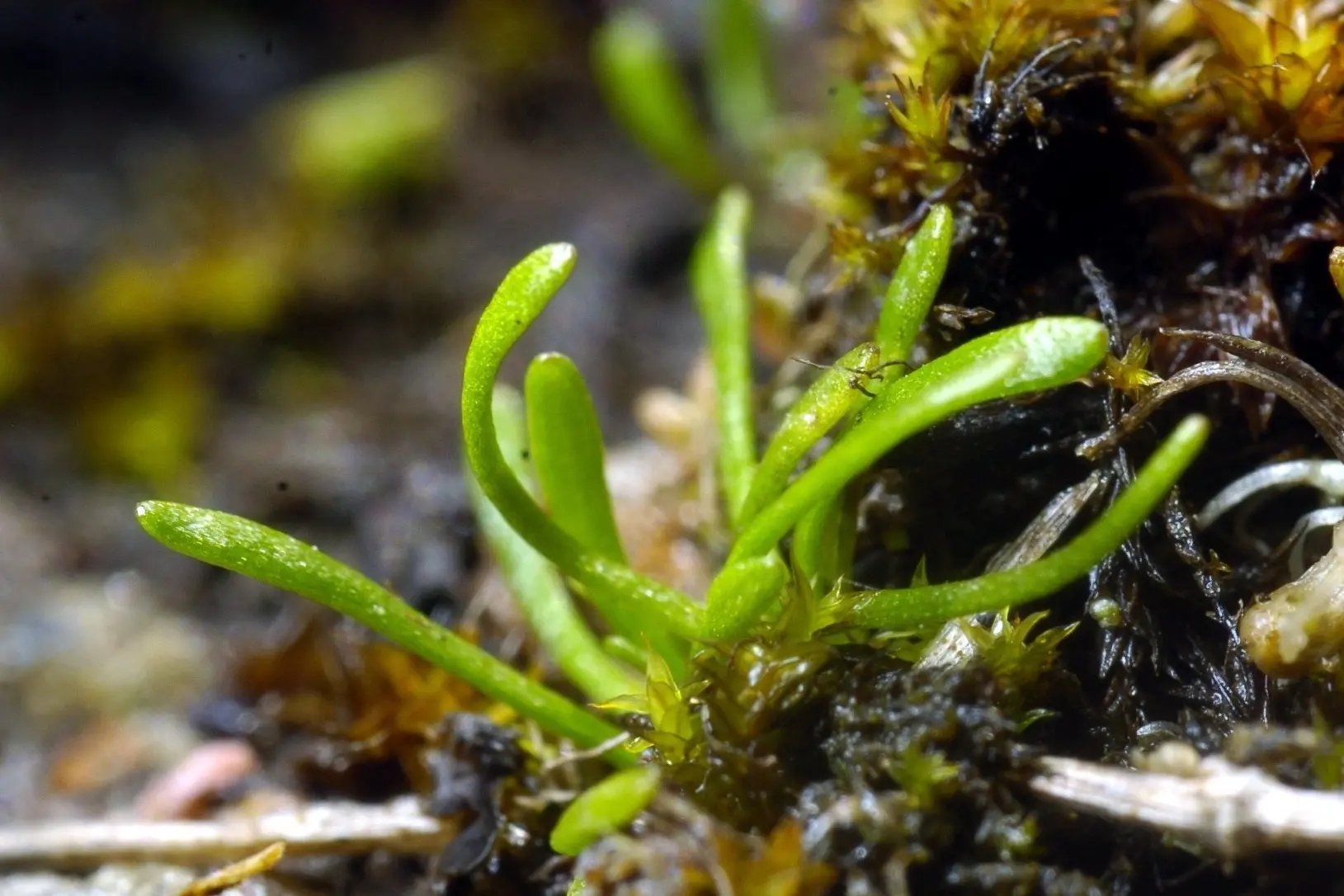
Another road block has emerged for the Santana gold mine, as an ecologist says before mining starts, more surveying of the area is needed to accurately locate three plant species. The species may be more widespread than first thought on the site of the planned mine in Bendigo, an Otago Regional Council ecologist says. The council has sent a memorandum of counsel to seek leave for the fast-track panel to receive comments provided by the council’s ecologist. The council was seeking feedback and consideration from the fast-track expert panel with its comment after a 2025 spring annuals survey was carried out by the applicant. SuppliedMyosotis brevis. Photo: Supplied/John Barkla Santana is applying to operate a gold mine in the Bendigo area and the consent process is being undertaken through the Fast-Track Act. The applicant was presently working through requests made by the fast-track panel and drawing up a suite of consent conditions to present to the fast-track panel. Santana indicated it wanted to have all suggested consent conditions be supplied by August 28. The memorandum said survey results indicated the population and distribution of the three spring annuals species were likely to be greater than indicated in initial surveys provided by the applicant. The council’s ecologist, Trudy Anderson, said survey records showed the highest concentrations of spring annuals Ceratocephalus pungens (threatened – nationally critical), Myosurus minimus (at risk – declining), and Myosotis brevis (threatened – nationally vulnerable) were located within the project's direct disturbance footprint. Spring annuals are plants that complete their life cycle in one season and burst into colour as the weather warms up. Ms Anderson considered it highly likely unsurveyed areas of the footprint contained significant populations of the three species, reinforcing the footprint was a hot spot for these species. Ms Anderson said the survey indicated the impact of the project on the species was likely to have been underestimated by the applicant's experts. Further spring surveys would be required of the entire footprint, prior to any disturbance activities, to understand the full extent of the effects of the project. [Missing Credit]Ceratocephalus pungens. Photo: Supplied/John Barkla The council had considered whether there were any practicable consent conditions that could substantially reduce these effects while enabling the proposed mining activities to proceed. "To date it has not been able to identify any such conditions,” the memorandum said. Meanwhile the applicant is halfway through workshops over consent conditions it is set to provide to the fast-track panel on August 28. The first two workshops took place in Dunedin and Cromwell and there are two left. One would be in Dunedin at the end of next week and centre around Otago Regional Council consent conditions, which would include surface and groundwater and aquatic ecology matters. The final workshop would be in Cromwell in the final week of August and would mop up all remaining consent conditions.