

PHOTO
Campaign season was in full swing as Waitaki candidates fronted the Oamaru public.
There was no shortage of jabs at each other as the five candidates for the Waitaki electorate in this year’s general election spoke to a crowd of almost 100 people at the Brydone Hotel on Tuesday.
Hosted by the Rotary Club of Oamaru, the evening began with each candidate given five minutes to speak.
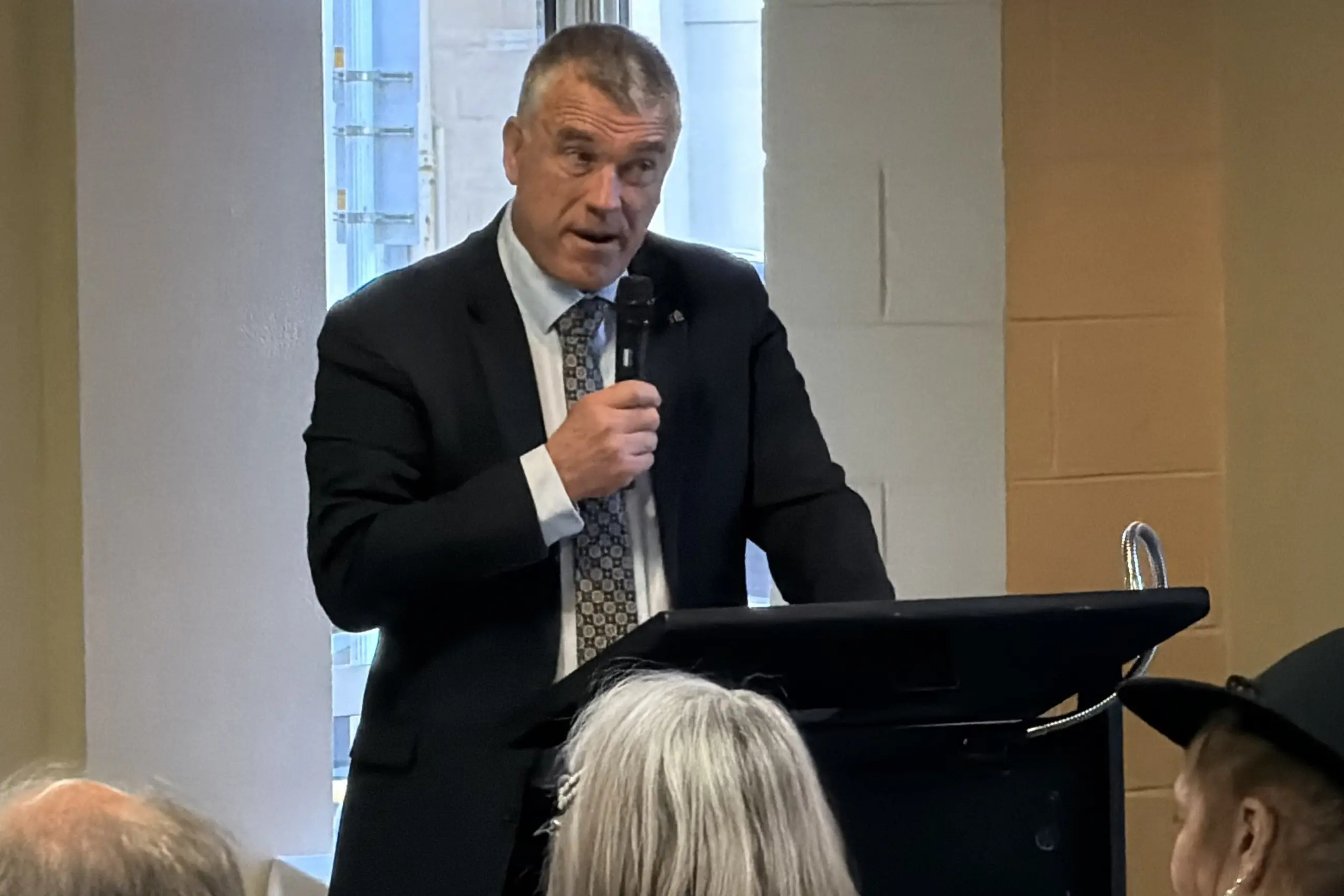
Sitting Waitaki MP Miles Anderson touted the coalition government’s track record, referencing cutting back wasteful spending, RMA reforms and teaching children the “basics” in school.
“I know it’s not been easy, but step by step, our team has been working to leave New Zealand in a better place for our children and our grandchildren.
“After years of hard work, New Zealand is starting to turn a corner.”
The National MP also took shots at left-wing parties.
“At this election you have a clear choice — a choice between no new taxes with National and higher taxes with Labour and their partners.
“A choice between careful economic management and going back to the old habits of spending more, borrowing more and taxing more.”
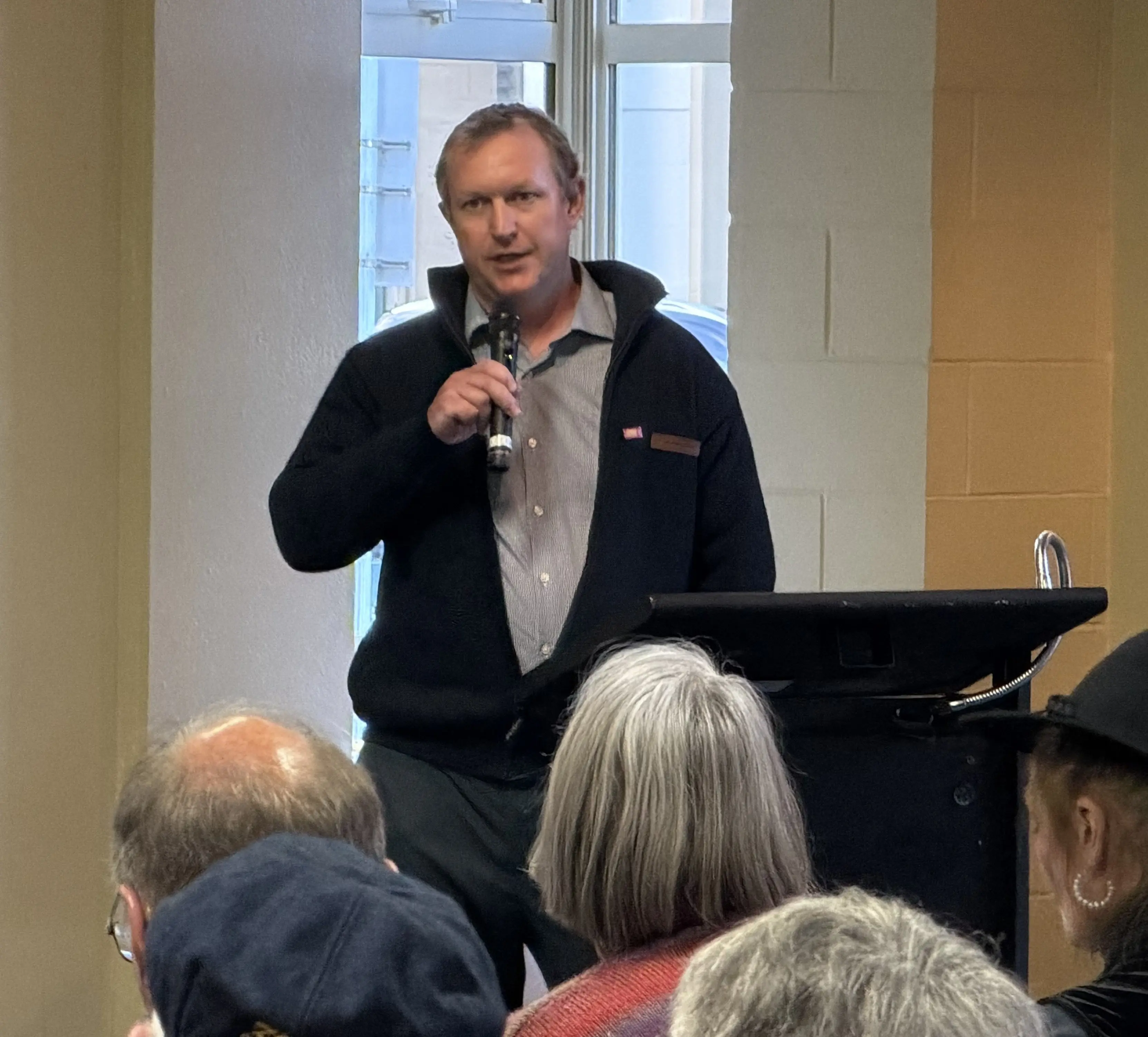
Act New Zealand candidate Sean Beamish reiterated that he was running for the party vote rather than for himself while praising the “small team of MPs” Act had in Parliament.
“We’ve saved a lot of money. Not enough, but a lot.”
He said the party had scrapped the “ute tax”, cut red tape to make life easier for New Zealanders and reinstituted three strikes for criminal offenders.
The party also wanted to hold bureaucrats “accountable to someone that we elect”.
“So that when you send someone to Wellington, anyone from down this table — not me — they’ve actually got the power to influence and have the change that you want directed through the public services, the delivery of services.”
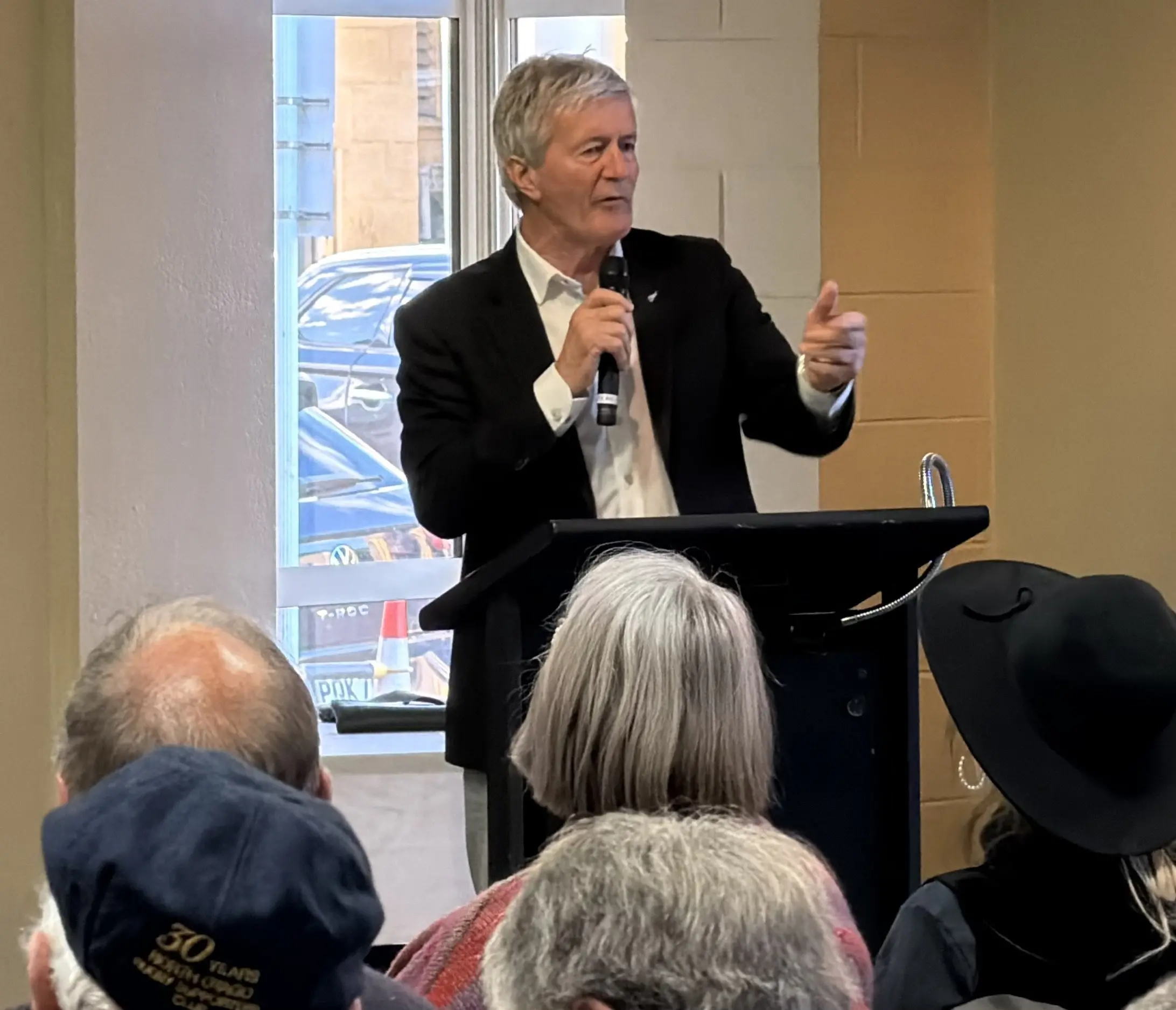
Labour candidate Damien O’Connor took shots at the current coalition government.
“In 2023, in government, we got voted out. People thought that things were too tough and they were going to get better. Well, actually, things have got worse.”
He highlighted rising unemployment and health wait times as well as the number of people leaving New Zealand as concerns.
“That is not the country that my ancestors fought for and battled and worked for to create this country.
“We expect fairness across our country and what we have seen is growth in all the negative areas and cuts in all the positive areas.”
Labour would campaign on giving New Zealanders a decent job, a place to live and acces to healthcare, he said.
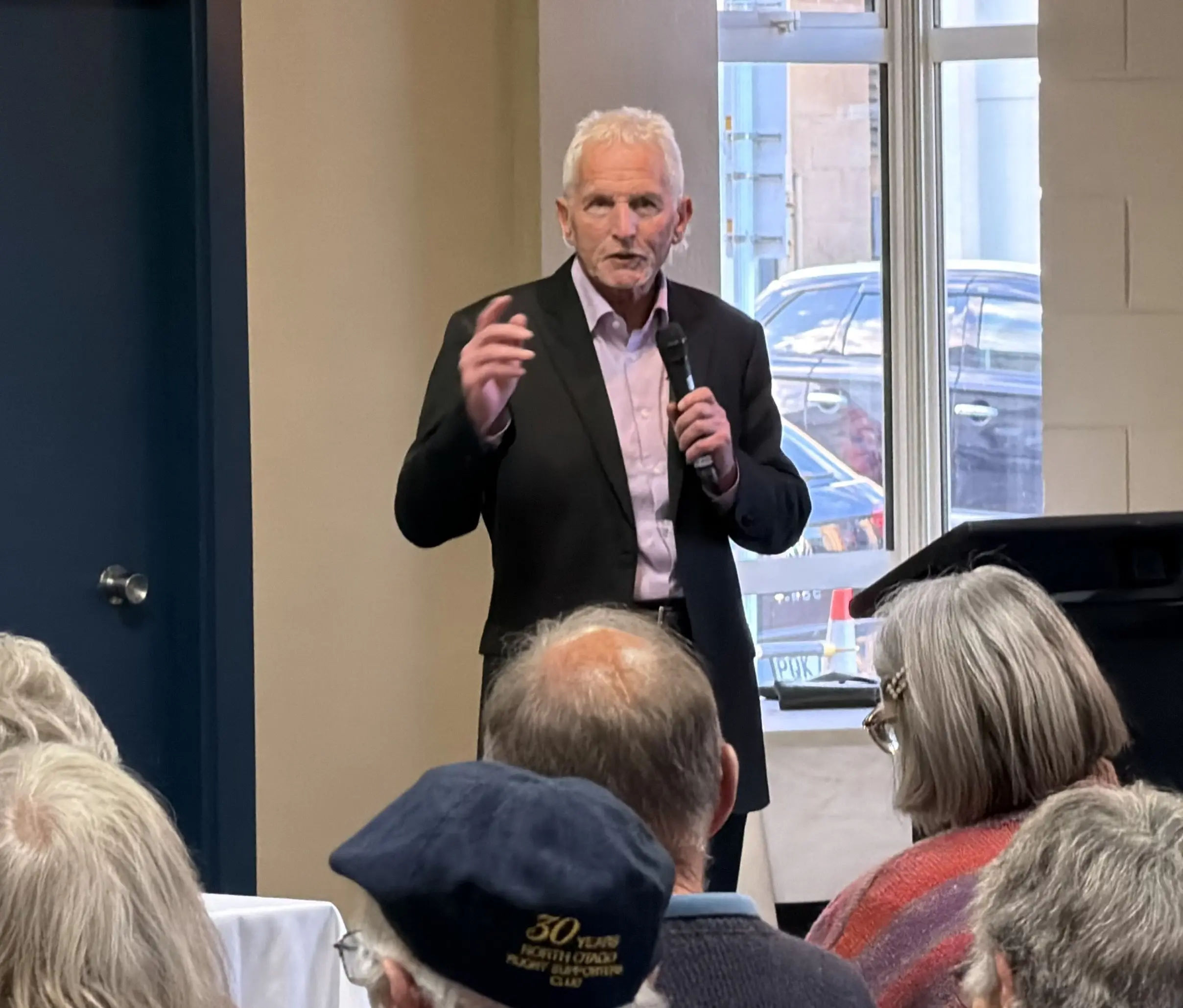
New Zealand First candidate Michael Laws preached the need for less government involvement.
“All we want is for Wellington to get out of the way because we want to be in charge of our own futures and we know what’s best for us.
“There is a crisis of confidence. Not in our economy or in our people or in our Waitaki, but in our government, in our politics and in Wellington in particular.”
He highlighted the supermarket “oligopoly”, power prices and bank profits as issues NZ First would tackle.
“In our electorate, we pay the highest electricity prices in New Zealand, despite all of the dams being up the Waitaki River and mine just down the road from me in Clyde.”
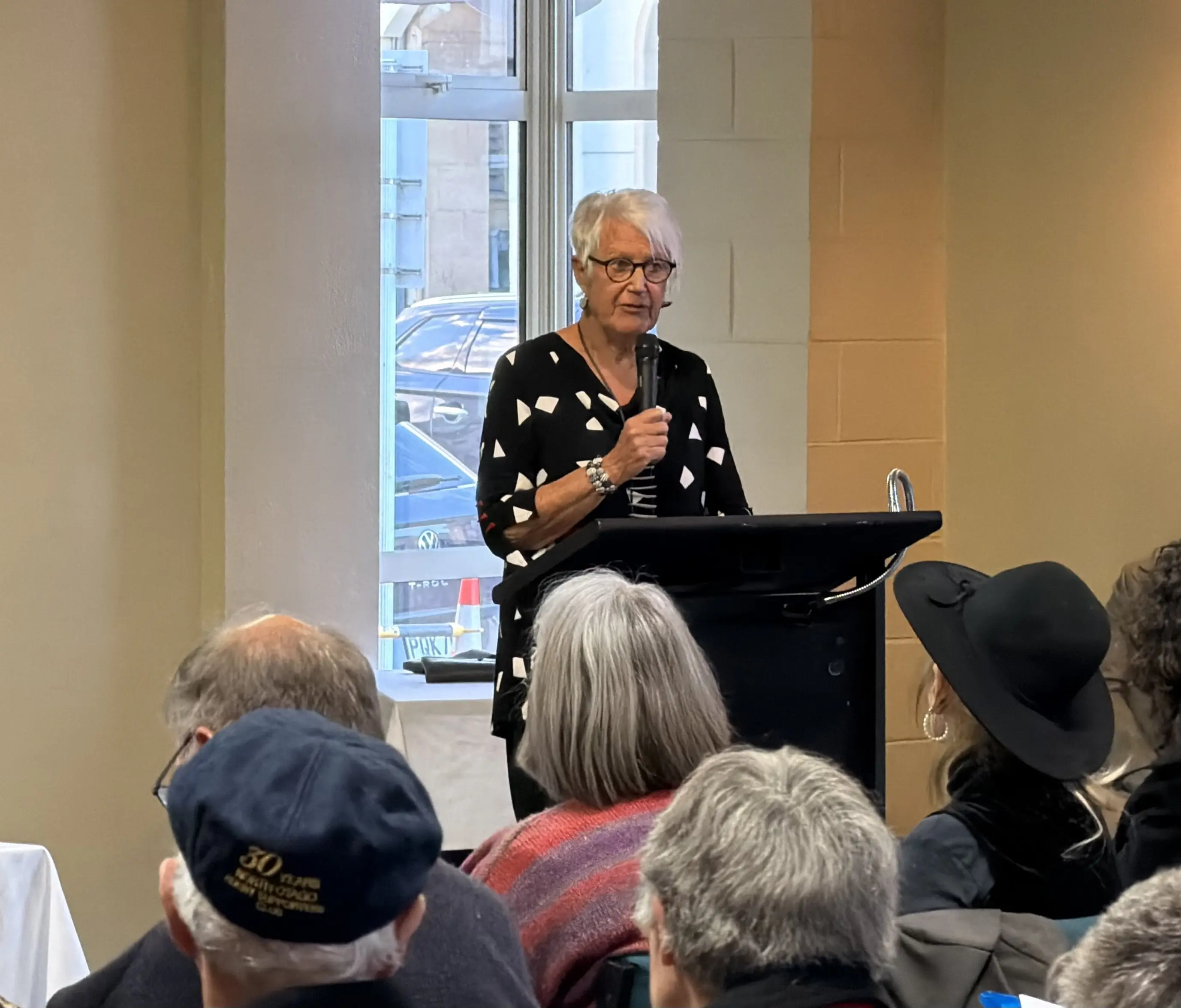
Opportunity Party candidate Helen Tait maintained the party’s stance as centrist.
“We’re tired of the flip-flopping between one party and another and with each party seeming to have its policies determined by just doing the opposite of what the other lot did.”
The party was focused on limiting the use of urgency in parliament, limiting donations by lobbyists and boosting sustainable energy.
“We like to think that New Zealand is not a corrupt country but over recent years the power of lobbying and the funding provided by lobbyists is certainly increasing to an alarming degree.”
She was also campaigning for the party vote rather than getting herself elected as an MP.
The candidates then shifted to questions submitted by the crowd.
These topics include the proposed Santana Gold mine, tourism, education, the environment and support for the arts.
One of the more open-ended questions asked “tell us what issues you’ve heard that are important to Waitakians, more specific than cost of living, and what do you see your role as in addressing these concerns?”, with each candidate giving different answers.
Mr Beamish spoke of the “terrible state” of the roads which needed to be better maintained, while Mr Laws said it was about receiving “our fair share of resources, particularly in terms of health”.
Mr Anderson and Mr O’Connor also focused on health.
The former was pleased to see the government had removed the Waitaki River as a boundary, allowing North Otago residents to access services in Timaru, while Mr O’Connor reiterated Labour’s campaign promises of providing free prescriptions and three free doctor’s visits.
Ms Tait agreed and stressed the importance of long-term planning with measurable goals “rather than just a sort of vague hope that it will happen”.
At various points in the night the crowd became vocal with MC Cr Dan Lewis reminding attendees “this is not talkback radio, it is not a two-way conversation”.
It was not just the crowd, with a bit of back-and-forth between the candidates throughout the evening as well.