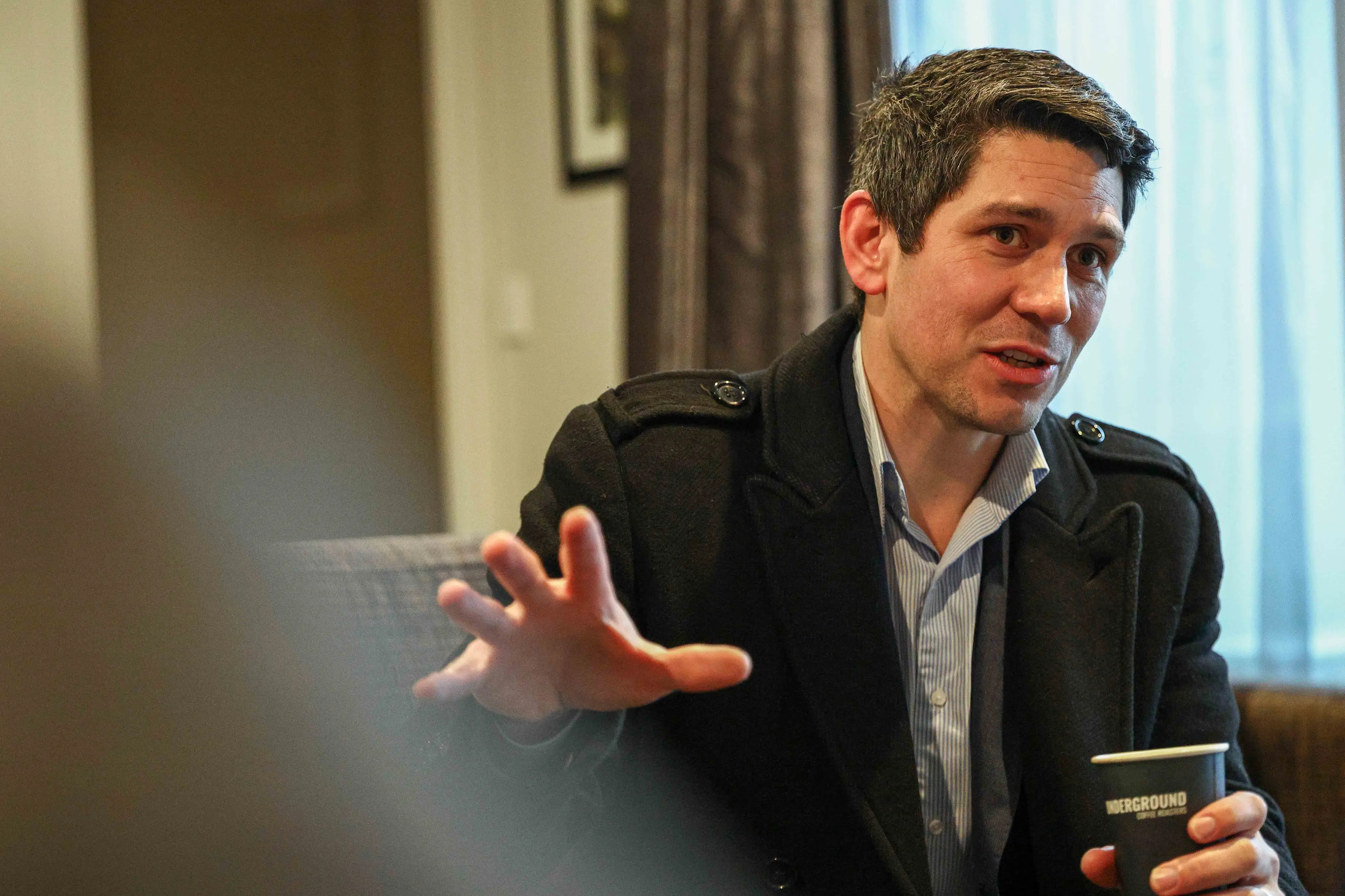
A visitor levy to help Queenstown’s council handle burgeoning infrastructure costs might be on the cards under a re-elected National-led government. In an interview with Minister for the South Island James Meager, who visited Queenstown last week, he tells Mountain Scene he’s very aware councils have been lobbying for one, but reiterates his government ruled it out in its first term which expires this November. “But if you look at the Auckland regional deal that was signed a few months ago, that had a commitment by the government to explore how an accommodation levy could be implemented in the future. “And I know I can’t get ahead of any outcomes of the regional deal here [between the government, Queenstown and Central Otago councils and Otago Regional Council], but it could well be that’s part of a conversation, too, because I think the fundamental issue is right, how do you capture the impact of all those visitors when you’ve got a low ratepayer base? “Of course, you’ve got a growing domestic population, too, but not to the extent when you’re talking about 100,000 people coming through the town a day. “It’s not something we’ve committed to this term, but it’s something we have committed to looking at in other parts of the country, so Queenstown could be in that mix, too.” To the argument visitor levies are common overseas, Meager accepts “we probably are an outlier”. “But you’ve got to also go, just because every other part of the world does it, doesn’t mean we need to do it too. “We’ve got to be cautious that we’re in competition for these visitors with other parts of the world. “There’ll be a balancing point where we don’t want to make it too hard or expensive to come to New Zealand — it’s an expensive place to get to and then I think most visitors find the cost of getting around and doing activities is high.” Meager says hoteliers and accommodation providers might also treat a visitor levy with a bit of caution — “everyone’s bouncing back, but a dollar today turns into $5, $10, $15 tomorrow”. On Queenstown’s traffic congestion woes, “we’re not unambitious about trying to fix them, and whether it’s bus lanes, whether it’s innovative ways of getting around like cable cars and things like that, I think we’ve got to embrace all of them”. He says legislation’s going through allowing a traffic congestion charge, with Auckland probably the first cab off the rank. “It’s not a bad idea because it essentially puts a price on people’s desire to travel in and out of town. “The thing is, pricing will make people change their behaviour, but it’s also a revenue mechanism by which you can then invest in other parts of the transport network.” However, though you could have a charge between Frankton and the CBD, Meager points out a lot of the congestion’s in Frankton itself. Meanwhile, he can understand the cumulative effects of fast-tracked residential subdivisions, which the government’s allowing, causing local concerns. “[But] if you can build more houses and build more supply, that’s going to put downward pressure on rents and on prices over time. “So you’re going to get some interest from Australians and investors, but actually the people who are buying those houses I talk to are tradies, professionals, people who have moved here because it’s a great part of the world, that is the fundamental reality of it.” scoop@scene.co.nz