
PHOTO
The centre of Otago’s population is shifting west, Statistics New Zealand (Stats NZ) says.
New statistics released by the government agency show rapid population growths in the Queenstown Lakes and Central Otago, shifting the region’s population centre away from its largest city, Dunedin.
By the 2050s, less than half of Otago’s population could be living in Dunedin and nearly 40% in either the Queenstown Lakes or Central Otago districts, Stats NZ said in a statement.
Thirty years ago, 64% of Otago residents lived in Dunedin and 8% in the Queenstown Lakes district, it said.
In June last year, 52% of Otago residents lived in Dunedin, while 21% lived in the Queenstown Lakes district.
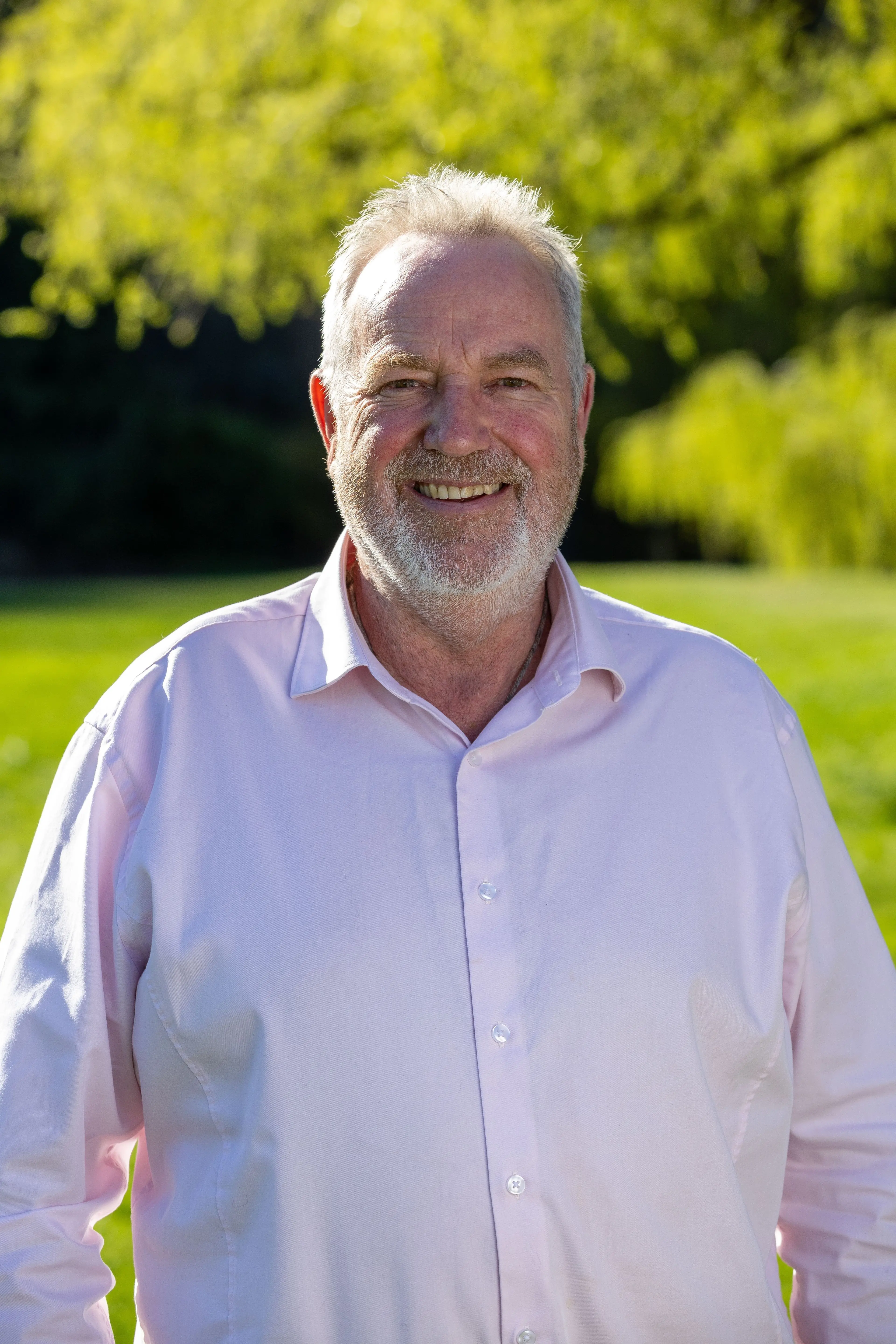
Queenstown Lakes Mayor John Glover said the growth in Otago’s west was undeniable — and it needed to be managed properly.
StatsNZ had previously underestimated growth rates in the area, he said.
A local economist had calculated that in 16 years, the population of Queenstown, Wānaka and Cromwell would be greater than that of Dunedin.
“We have a government very focused on growth.
“But it needs to be managed growth.
“It’s not saying anti-growth, we need to stage it — make sure we’re working in partnership with government agencies, and of course the perennial problem is they have limited funds, and we’re always playing catch up.”
The Queenstown Lakes district boasted a vibrant growing population with a lot of opportunity, despite being an expensive place to live, Mr Glover said.
“The main thing is to say, ‘what can growth bring us that we don’t have now?’
“One of the opportunities … might be health, tertiary education, public transport, whatever that might be — growth is needed to get some of those things locally.”
StatsNZ said the Queenstown Lakes and Central Otago districts were projected to grow at an average annual rate of 1.7% and 1.4% respectively, higher than the national average of 0.9%.
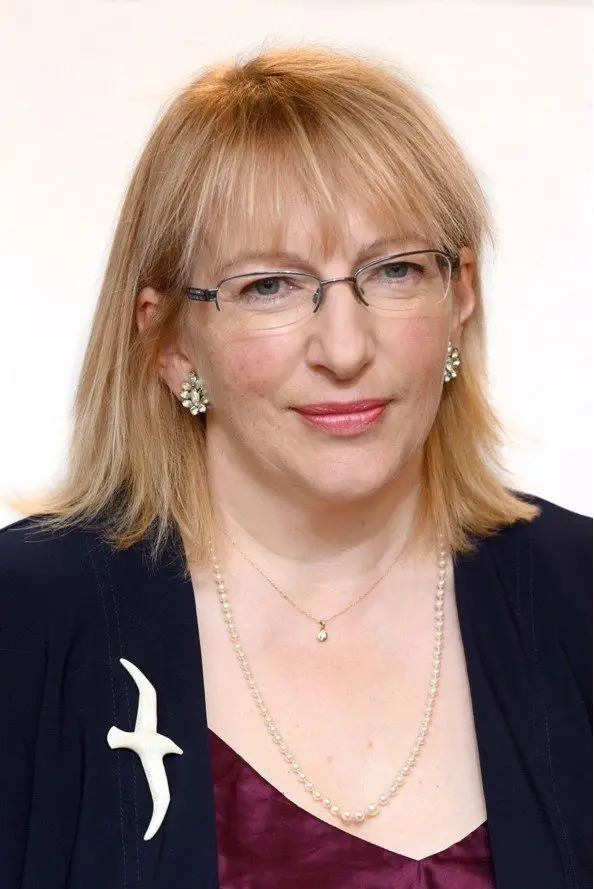
Dunedin Mayor Sophie Barker said her focus was on ensuring Dunedin remained a great place to live, work and bring up a family.
“While we do have an ageing population, we also have many new arrivals — from across our vibrant tertiary sector and young families in particular — that are choosing to make Ōtepoti Dunedin their new home, as are some of the newest arrivals to Aotearoa New Zealand.”
StatsNZ reported Dunedin had been experiencing a natural population decrease since 2023, meaning there were more deaths than births.
Population estimates and projections spokesman Kim Dunstan said the Queenstown Lakes district had been one of new Zealand’s fastest growing areas.
“The estimated resident population has more than tripled since 1996, reaching 53,800 in June 2025,” he said.
Population projections indicated higher growth in Queenstown Lakes was likely to continue, while growth in Dunedin city was likely to remain slower, he said.
evie.sinclair@odt.co.nz