
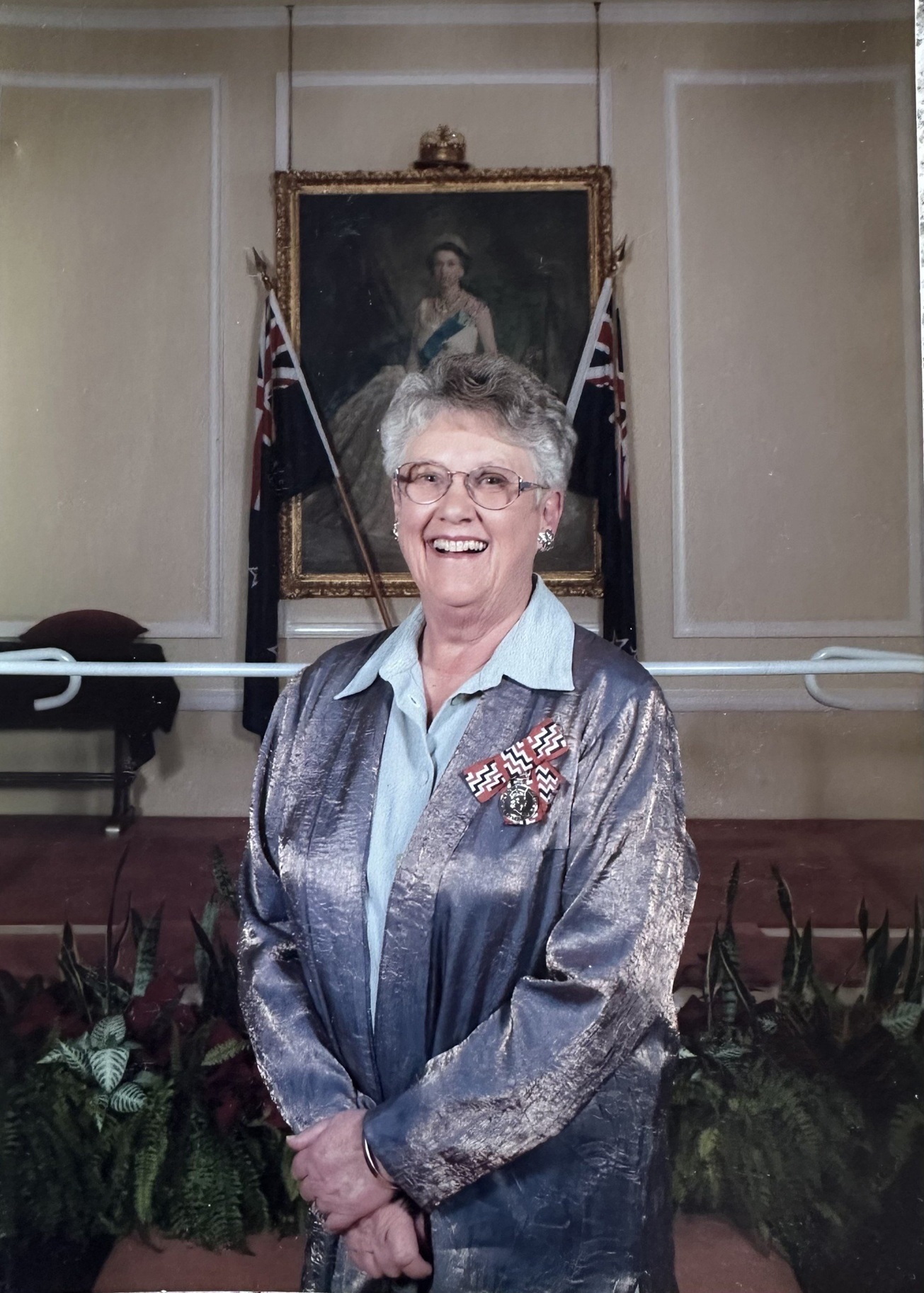
In fact it would be easier to list the groups in Alexandra she was not involved with, rather than the ones she was. She was a stalwart in many, many community groups and was a staunch advocate for her community.
Long-time friend and Anglican minister the Rev Claire Brown said she "was and remains one of the world’s finest treasures" — a woman who was "completely reliable" and held her church parish and parts of the diocese together.
Bernie Lepper, who was also a member of many groups in Alexandra, said she admired Mrs Duggan in many different ways.
‘‘When I began work at Central Otago REAP, I got to know Liz Duggan. At that time, Liz was the secretary of the Alexandra Council of Social Services (ACOSS), ran a volunteer group, and served as chairperson of the newly established Alexandra Youth Trust, which she had helped create — among many other roles,’’ she said.
‘‘I was fortunate to work alongside Liz in many of these and other activities and always admired her knowledge, energy, and deep commitment to people.
‘‘Liz lived and breathed ‘community development’ before the term was even widely used. She was a true role model — leading by example, generous with her time, and always willing to step forward for the good of the community. A mentor and inspiration to many, Liz’s legacy will be felt for years to come.’’
Liz Duggan was born in Dunedin on August 26, 1936, the third child of James and Catherine (Kitty) Paterson.
Tragically, Kitty died of pneumonia when Elizabeth was six weeks old. There were offers to adopt the baby but Liz’s father — a prominent lawyer, lecturer and dean of the University of Otago Commerce faculty — was determined to keep the family together, so employed a series of Karitane nurses to help care for the children. Her father remarried when Liz was 4, and she became very close to her stepmother Nancy.
She started school at St Hilda’s Collegiate but at the age of 11 went to Waitaki Girls’ High School in Oamaru. She enjoyed boarding school so much that in her second year she was one of only eight juniors who did not run away.
She trained as a dental nurse in Christchurch, graduating in 1958, and spent three years in Southland — two in Invercargill and one doing country service in Balfour and Riversdale.
At the end of 1960 she and four dental nursing friends set off for London, travelling by ship. She lived there for a year, working for Australian dentists. As a lifelong royalist, a highlight of her stay was meeting the Queen at a Commonwealth function at St James’ Palace.
Back in Dunedin she worked at the Wakari School Dental Clinic for five years.
She met her future husband Ian Duggan — originally from Matakanui, where his parents Ted and Barbara ran the well-known mud-brick general store — at a dental nursing party in Green Island, and they were married at St Paul’s Cathedral in 1965.
In September 1969, with two small children, they moved to Alexandra, where Ian opened a Central Otago branch of General Accident Insurance Company, later NZI.
A very social person, Liz initially struggled to break into the close-knit community, but after joining the kindergarten mothers’ club at the behest of long-serving kindy teacher Lois McTaggart, she never looked back.
She went right through the education system with her three children, joining and chairing the Kindergarten Association, opening two new kindergartens in Cromwell and Alexandra during her time as president and later receiving a life membership of the Central Otago Kindergarten Association.
She chaired the Alexandra Primary School committee and served 13 years on the Dunstan High School board of governors, the last three under the Tomorrow’s Schools programme.
She returned to work part-time in her husband’s insurance office in 1977, also later taking on the newly established position of co-ordinator of volunteers, where she set up a home support scheme for the elderly in Alexandra.
At the same time she carried on with her community work, which included eight years as secretary of the Alexandra Blossom Festival committee and six years on the Alexandra Community Board.
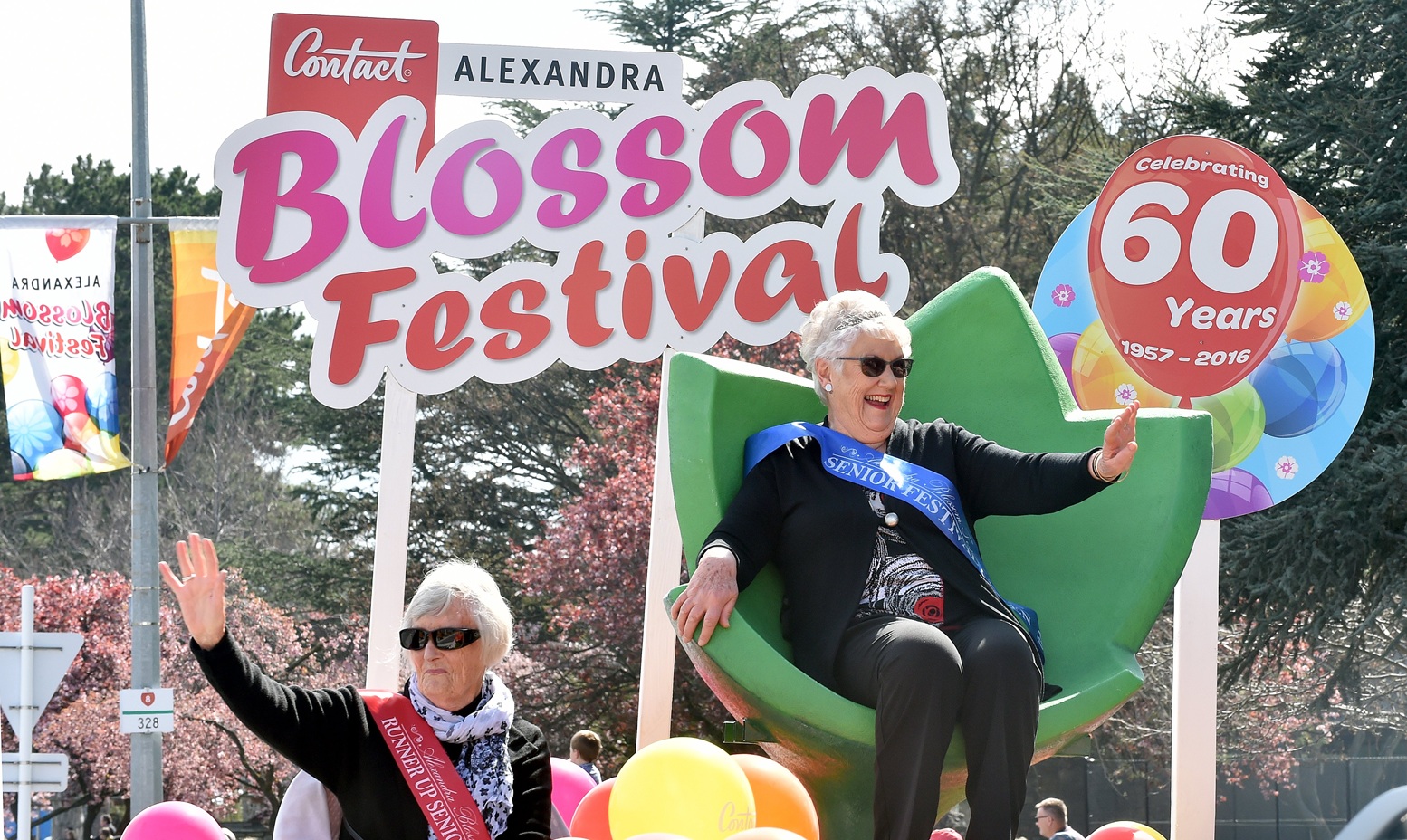
In 1978, with a desire to help the elderly, she joined Presbyterian Support Otago’s Ranui Home house committee, chairing it for 38 years. In that time she pushed for development of independent cottages and town house units at the rest-home.
She moved into a new unit in 2017, but nine months later suffered a major stroke while on holiday on the Gold Coast, which forced her transfer into the rest-home.
She was made a life member of the Alexandra Council of Social Services in 2017 and was on the steering committee which established Alexandra’s Community House — a hub for social service agencies. She also served on various committees including Victim Support, Budget Advice and the Youth Worker Management committee and helped establish the Central Otago Friendship Network.
She was a member of the National Council of Women and a past-president of Alexandra Probus.
She was a keen bridge player, playing up to three times a week in her retirement, and was an inaugural member of the Alexandra Bridge Club, serving as its first secretary and as president in the mid-1970s.
Travel was always a passion, and Mrs Duggan enjoyed her involvement with the Central Otago Travel Club which included stints on the committee running it. She travelled to Canada, South America, the US, Australia, Fiji and Norfolk Island as well as Europe at various times during her life.
She was a devout member of the Anglican Church and helped establish a branch of AAW (Association of Anglican Women) in Alexandra after having previously been a member of the Young Wives group in Dunedin. She was made a life member of AAW in 2021.
In 1980 she was invited to become a lay minister and agreed on the condition she would never have to preach a sermon, an agreement that was very short-lived with the local vicar going on study leave to America shortly after. She served on various diocesan committees including its trust board and general synod.
Mrs Duggan became the first lay Archdeacon for Otago in 2003, liaising between the Dunedin Bishop and parishes in Central, East and North Otago. In 2019 she was awarded a Lay Minister Emeritus title, recognising her years of faithful service to the church.
Her record of community service reflected her desire to put something back into the community she loved.
She did not do any of it for reward, but was humbled to receive a Queen’s Service Medal in the 2004 New Year’s Honours.
She had earlier been awarded a Paul Harris Fellowship from the Alexandra Rotary Club in 2003, an award rarely given to non-Rotarians.
She had received a 1990 Commemoration Medal in recognition of services to the community and a Central Otago District Council Community Service Medal.
In 1994 Clutha MP Sir Robin Gray asked her to join the Lottery Seniors Committee, and she spent the next seven years travelling to Wellington five times a year to distribute grants to aged causes.
She was later elected to the Central Lakes Trust and served nine years — a role in which she thoroughly enjoyed giving a helping hand by way of grants to local organisations.
Many at her funeral commented that they knew she was on a lot of committees, but did not realise just how many. She always credited husband Ian with being her rock, giving her the support she needed at home to take on all these community roles and committee work. Ian died of a heart attack in 2000.
She has been described by friends as being a strong leader, capable, intelligent, organised and caring.
Judy King, who worked alongside Mrs Duggan on the Central Lakes Trust as the trust’s office administrator, said in an email that she was "a delight to have in the boardroom, always showing empathy and concern for those less fortunate."
She loved her family and is survived by her three children Jenny, Anna and Hamish and six grandchildren. — Supplied


