
PHOTO
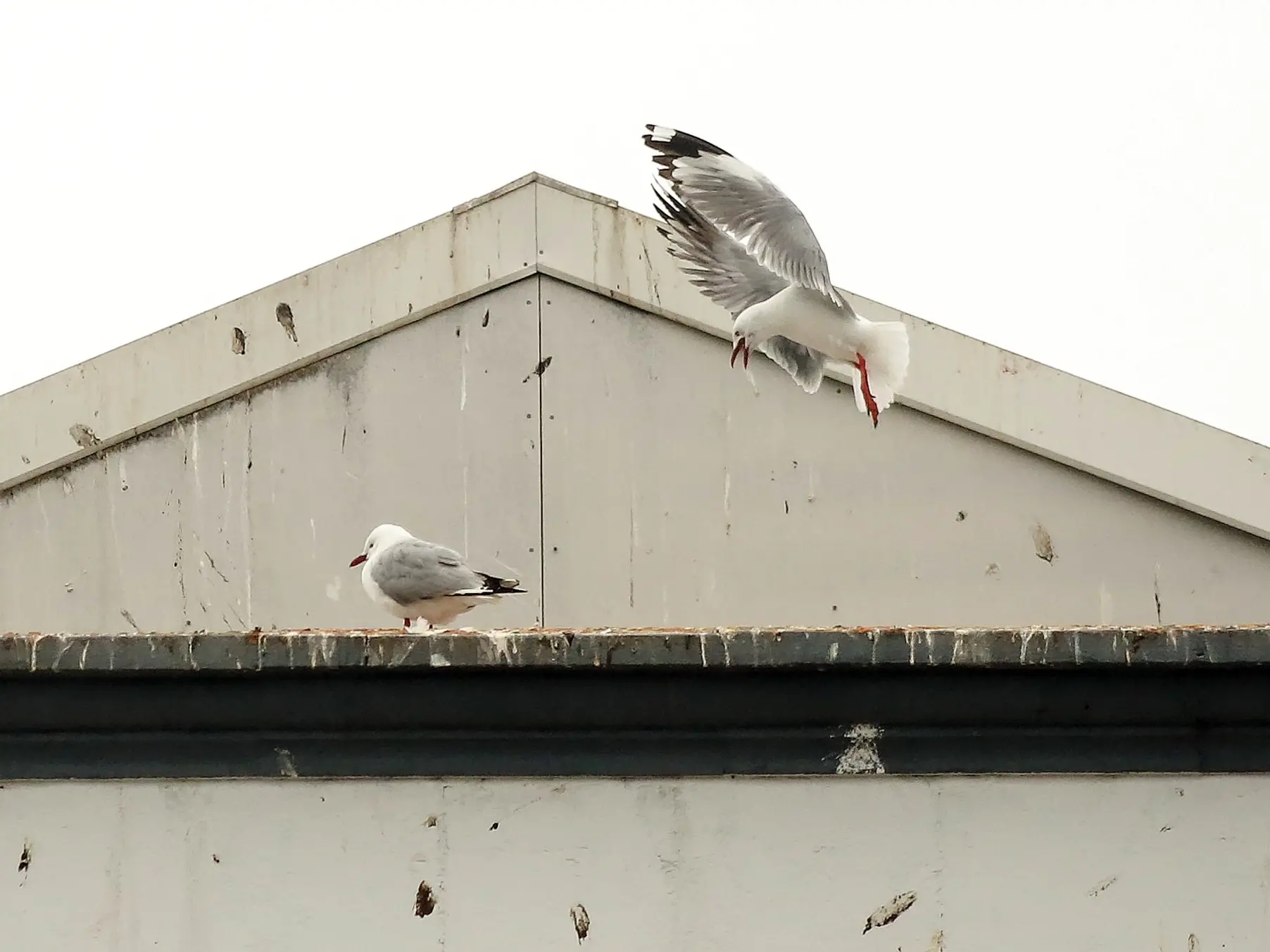
It is time to prepare for the arrival of the gulls.
The Waitaki District Council released a statement yesterday reminding building owners in Oamaru it is time to gull-proof roofs before the breeding season.
The council said the native red-billed gull (tarāpunga) would be entering its breeding season soon, and would be looking for places to nest.
While the council manages the buildings it owns with bird netting and regular roof checks, each breeding season means other building owners in Oamaru can take action now to keep their gutters and roofs bird-free this spring.
In recent years there has been a reduction in the number of birds nesting in the Oamaru CBD, thanks to the efforts of building owners.
It is illegal to disturb gulls once they have active nests — eggs or chicks.
Any measures to deter gull nesting should be in place by the end of August. Gulls are creatures of habit and will return to a successful nesting ground year after year, but any rooftop is a potential new site.
If an old site is no longer available, they will move and not necessarily to the building next door.
The council advised that this month those in the area should decide who was responsible — between the building owner and landlord — and ensure they are aware of the potential costs if gulls start to nest.
Many landlords do not live in Oamaru and so communication is vital.
The tenant often acts as the eyes and ears (and nose) on the ground.
Whoever was responsible should identify and exclude parts of roof attractive to nesting gulls.
These are flat ledges, gutters and flat roof surfaces, small walls or parapets that provide shelter from the wind and high points that can act as lookouts for birds.
If the landlord cannot carry this out, the council has a list of roofing contractors in Oamaru who are now familiar with red-billed gulls, their protection status and ways of managing them. They can provide assistance and advice.
From next month through to February, there should be normal maintenance such as scheduled regular checks of roof surfaces and gutters. Any material should be removed before it has an egg or chicks.
The statement said gulls could arrive and start nesting quickly so if you think you see more one day, get up and have a look before it was too late.
If gulls with eggs or chicks were found, the Department of Conservation should be contacted.
It is illegal to disturb or remove breeding red-billed gulls. — Allied Media