
PHOTO
Making Waikouaiti a destination and not a drive-through, a bike/walking track to Karitane and more recognition of Māori heritage are just some examples of what residents want to see for their area.
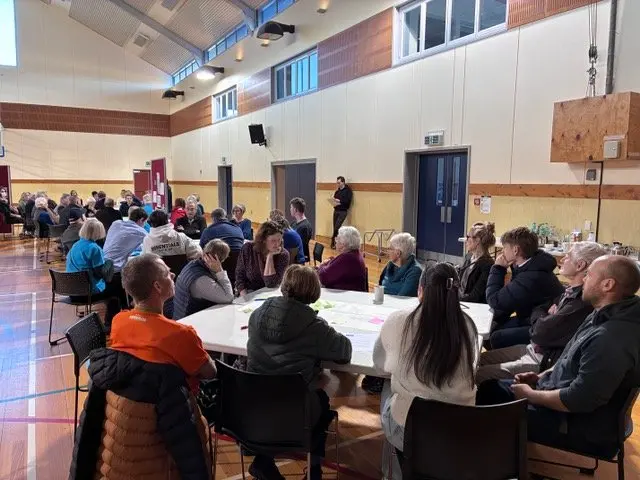
A hui was recently held at the East Otago Event Centre as part of a project involving architecture students to create a development plan for Waikouaiti.
More than 60 residents, main street business owners, a dozen students and representatives from Dunedin City Council turned out for the event, Progress of the Waikouaiti Area (Powa) wrote in its June community news edition.
Second and third-year students from the bachelor of architecture programme at Otago Polytechnic have been making visits to the Waikouaiti area, alongside lecturer Campbell McNeill, to gather views.
The architecture students presented their findings and heard suggestions and feedback at the Powa community hui.
Residents sat at tables with the students so they could discuss "what mattered to them", Powa said.
There were also information boards.
The event began with a karakia by one of the students, Emmy, then a "beautiful" waiata was sung by Katie McNeill and a welcome followed from Powa chairwoman Kath Ryan.
The hui was the most important part of the process to create a development plan for the area and that it had taken a long time to get to this point, Ms Ryan said.
Mr McNeill introduced the workshop-style format.
The event concluded with another karakia and waiata.
Several topics, themes and issue emerged during the hui:
How to describe Waikouaiti to someone who hasn’t been here?
• Hidden treasures (beach and lagoon).
• The Gold Coast of Otago (Otago was founded on gold).
• The place where we all started.
• A resilient place with a sense of community.
• A place where there is lots to do.
• One of the few wildlife reserves in the country (Hawksbury Lagoon).
• A diverse environment and community.
• Oldest Anglican Church (St John’s) opened in 1858 and still in use.
• One of the few pre-1870 bank buildings remaining in the country.
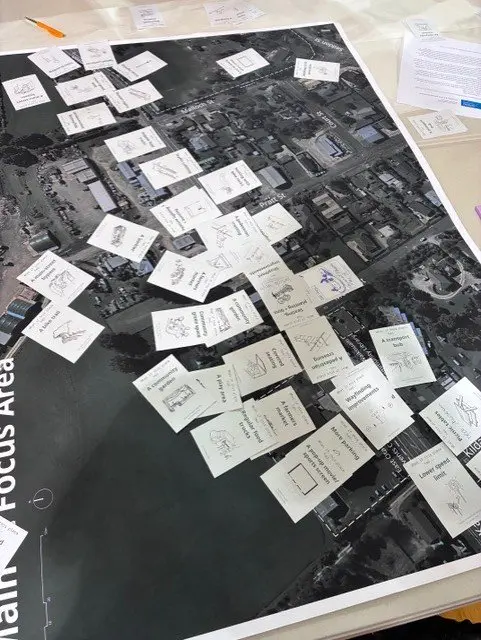
Examples of what people wanted
• The racecourse landscaped.
• Notice boards about historical places.
• A bike/walking track between Waikouaiti and Karitane.
• A walking track from State Highway 1 to the beach.
• A pedestrian crossing.
• More recognition of Māori heritage.
• Parking for trucks off the main street.
• Places to picnic.
• Landscaping of the entry to town (north and south).
• A plan for end-of-life for old buildings in the main street.
• Waikouaiti should be a destination, not a drive-through.