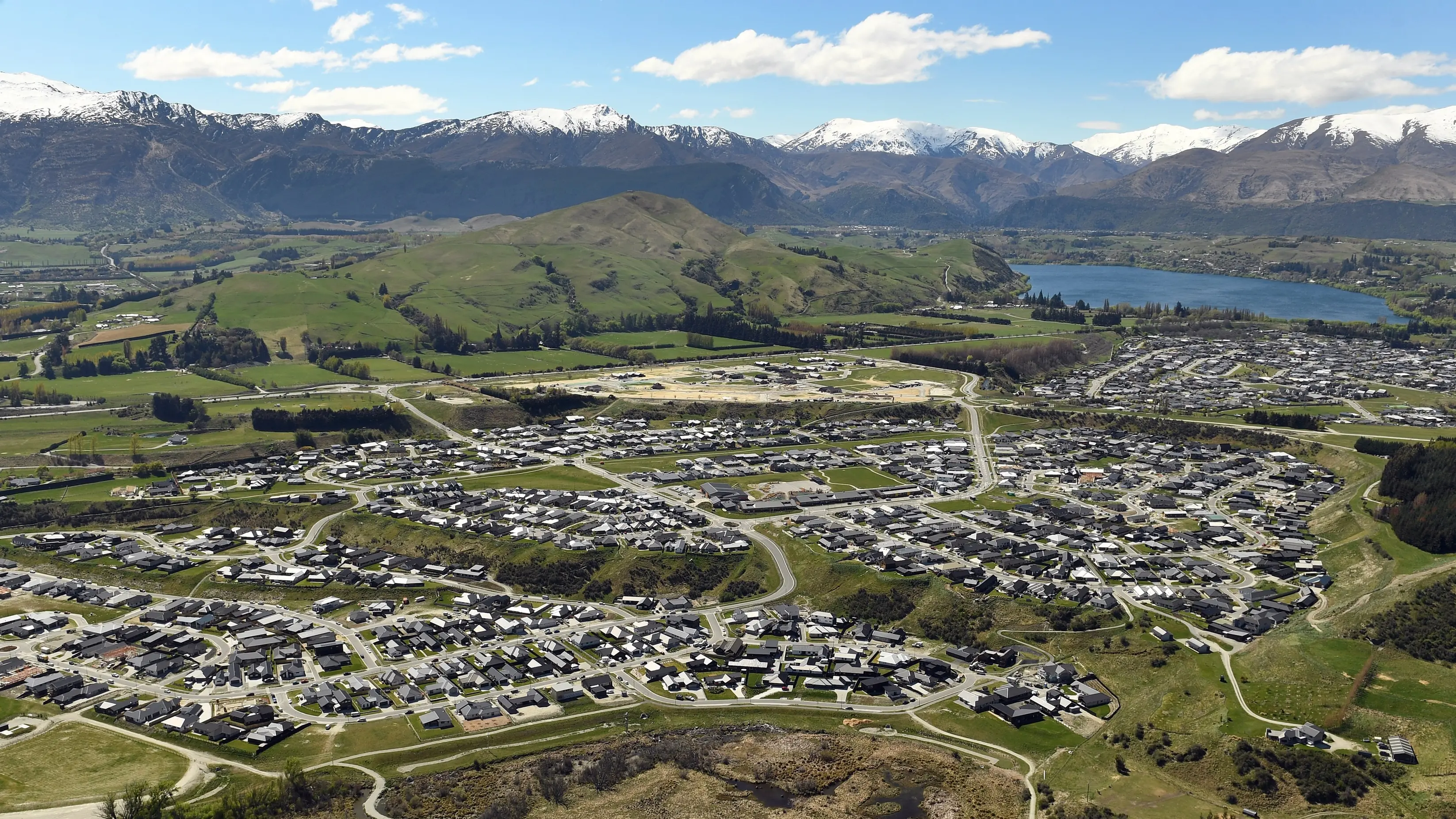
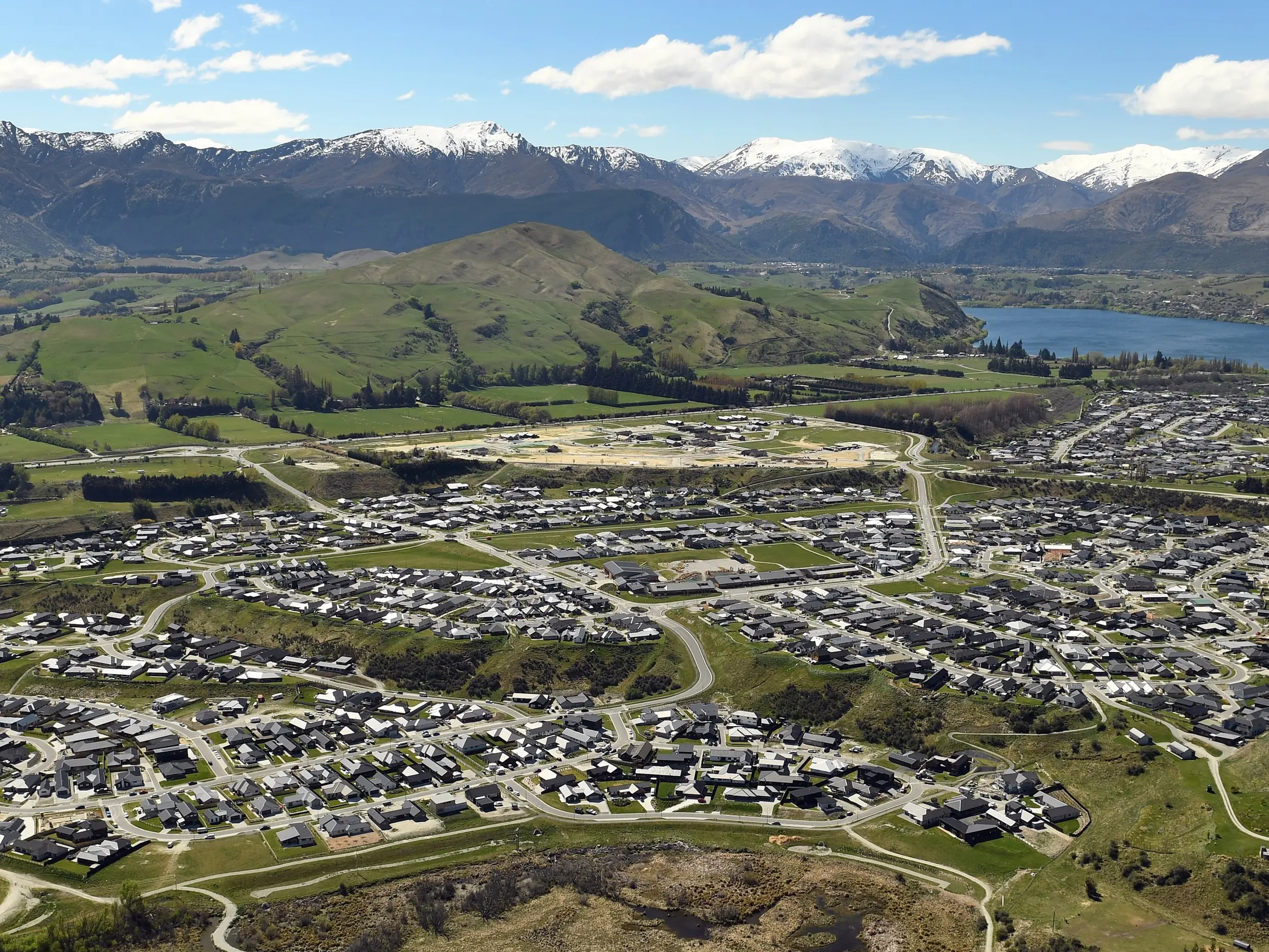
PHOTO

Some Hawea Flat water bores are still dry, despite rising water levels in Lake Hawea.
Camp Hill Rd neighbours Kelly Urquhart, Leanne Harling and their two young families have had no running water in their homes since their properties' private bores ran dry more than two months ago.
Mrs Urquhart said being in a household without water was really stressful.
"It's on my mind constantly and has had a huge effect on our lives," she said.
Ms Harling still has to resort to carrying bucketloads of water from an outside tap at a play centre across the road to provide for herself and her 8-year-old son.
Mrs Urquhart has two daughters, Brooke (5) and Emilia (2). They get their water from a garden hose connected to their neighbour's outside tap.
Mrs Urquhart said she doubted whether water would ever return to her 12.5m privately drilled bore - she had been told underground waterways could run dry and then change their course.
The pair blame Contact Energy for their water woes, brought on by the lowering of Lake Hawea during winter to near emergency levels of 338m above sea level.
The country was gripped by an energy crisis during winter, with South Island hydro-electric lakes at record low levels.
Contact insists one of the driest summers in New Zealand history and a subsequent dry winter caused underground water levels to drop.
Lake Hawea has risen by almost four metres since September.
A recording at midday yesterday from the Otago Regional Council water information website had the level sitting just above 342m.
The existing lake level is considered normal for this time of the year.
There has been little sympathy for the plight of the affected households at Hawea Flat. Council authorities and community groups have singled out the relatively shallow depth of privately drilled bores - between 12m and 16m - as the main contributing factor to their dry condition.
Mrs Urquhart said there were signs of water in their well "for the first time" two days ago.
ORC groundwater resource scientist Jens Rekker has said an extremely dry summer and winter, with record low rainfalls, meant normal flow off levels from streams in the Hawea basin had contributed to dry aquifers.
Mr Rekker's comments came at an ORC water resource meeting in Wanaka last month. Low lake levels at the time were also a contributing factor, but mirrored the dry winter conditions. He estimated it could take up to three months for water to return to shallow bores.
Hawea Flat bores drilled deeper than 16m are still yielding water.
Lake Hawea levels
• June 1: 340.25m above sea level
• July 1: 338.18m
• August 1: 338.32m
• September 1: 338.21m
• September 15: Some Hawea Flat water bores run dry
• October 1: 340.10m
• November 1: 340.15m
• Source: Otago Regional Council water info website