PHOTO

The Queenstown Lakes district could benefit by up to $40 million from an ‘‘Incentives for Growth Fund’’ announced in yesterday’s Budget, a regional economist says.
Arrowtown-based economist Benje Patterson said the new fund, for which $400m has been allocated over four years, could be a ‘‘windfall revenue gain’’ for the council.
The fund would use a tiered incentive system in which the more new homes councils consented as a percentage of existing dwellings, the more they would be paid, Mr Patterson said.
He calculated the Queenstown Lakes District Council, which consented housing at about five times the rate of the New Zealand per capita average, could receive between $30m and $40m over the initial four years.
Local Government Minister Simon Watts said enabling housing growth created fiscal challenges for councils, and the new fund would help them manage those pressures by providing a direct funding stream linked to housing growth.
‘‘Infrastructure like local roads, parks and community facilities often need to be built years before new residents move in and start contributing rates revenue.
‘‘It means communities that are doing the heavy lifting to support New Zealand’s growth will receive additional support to help pay for the infrastructure and services that growing populations require.’’
Councils can use the payments to invest in roads, services and local infrastructure, but not for Three Waters infrastructure, which is moving into the Local Water Done Well regime.
The payments will start on April 1 next year, for consents granted in the year to January 31 next year.
Queenstown Lakes Mayor John Glover said any money the new fund generated for the district was welcome — ‘‘we’ll take anything we can get’’ — but had to be kept in perspective given the council’s $70m a year operating and capital expenditure on delivering services to visitors.
‘‘Obviously our eyes are still on the long-term goal of a visitor levy,’’ he said.
Mr Glover welcomed the $310m of new capital funding for new school projects and land acquisition, and the specific mention of Queenstown as an area to benefit from the funding.
There was a pressing need to expand Wakatipu High School to accommodate its burgeoning roll or build a new high school, and to build primary schools in the Wakatipu.
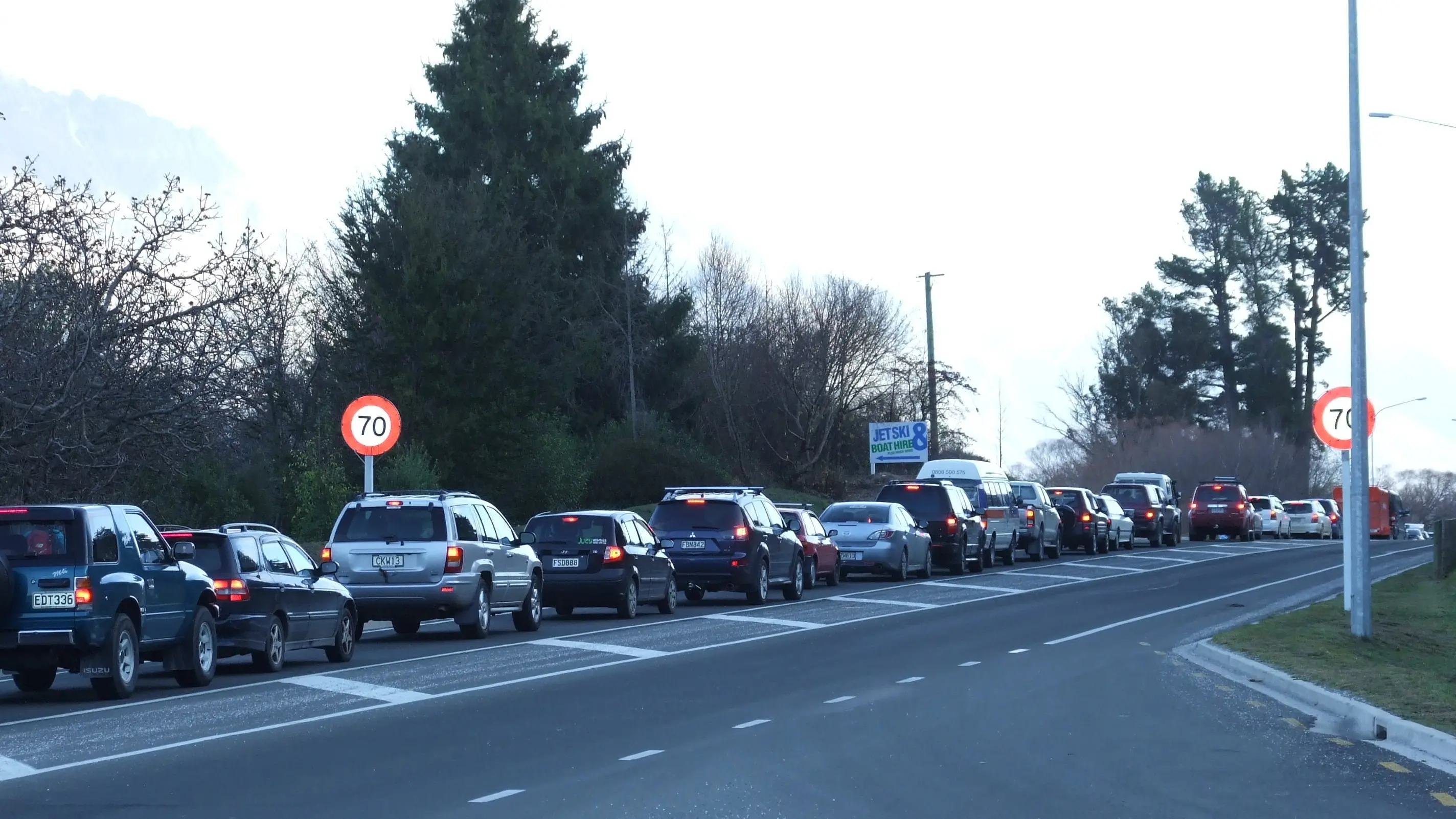
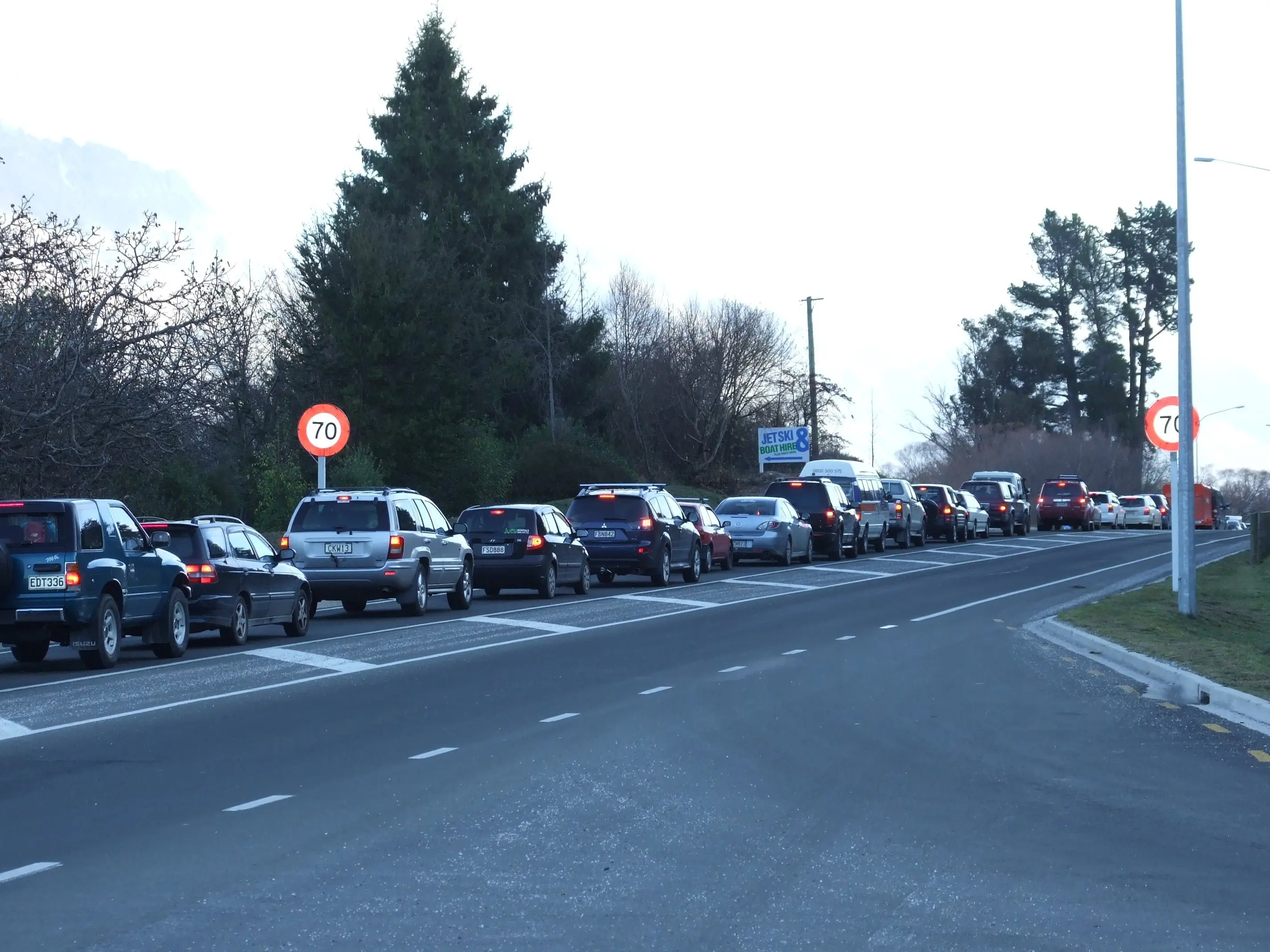
He was also pleased to see that of nine State Highway resilience projects receiving $400m in new funding, three were for sections of SH6 within the district — Cromwell to Frankton, Frankton to Kingston, and Haast to Hāwea.
Mr Patterson said a visitor levy would be the best way to fund the infrastructure demanded by visitors.
‘‘On any given day, more than half the people in Queenstown Lakes are visitors, many of whom are residing in commercial accommodation, rather than a residential dwelling.’’
The Budget announced $69.2m in funding to deliver social housing from 2028/29 until 2029/30, which is additional to funding allocated in last year’s Budget for 2026/27 and 2027/28.
It would give greater certainty to community housing providers such as the Queenstown Lakes Community Housing Trust to plan their build pipeline, although the trust faced the equal challenge of being provided with the land to build on for ‘‘zero or low cost’’, he said.