PHOTO
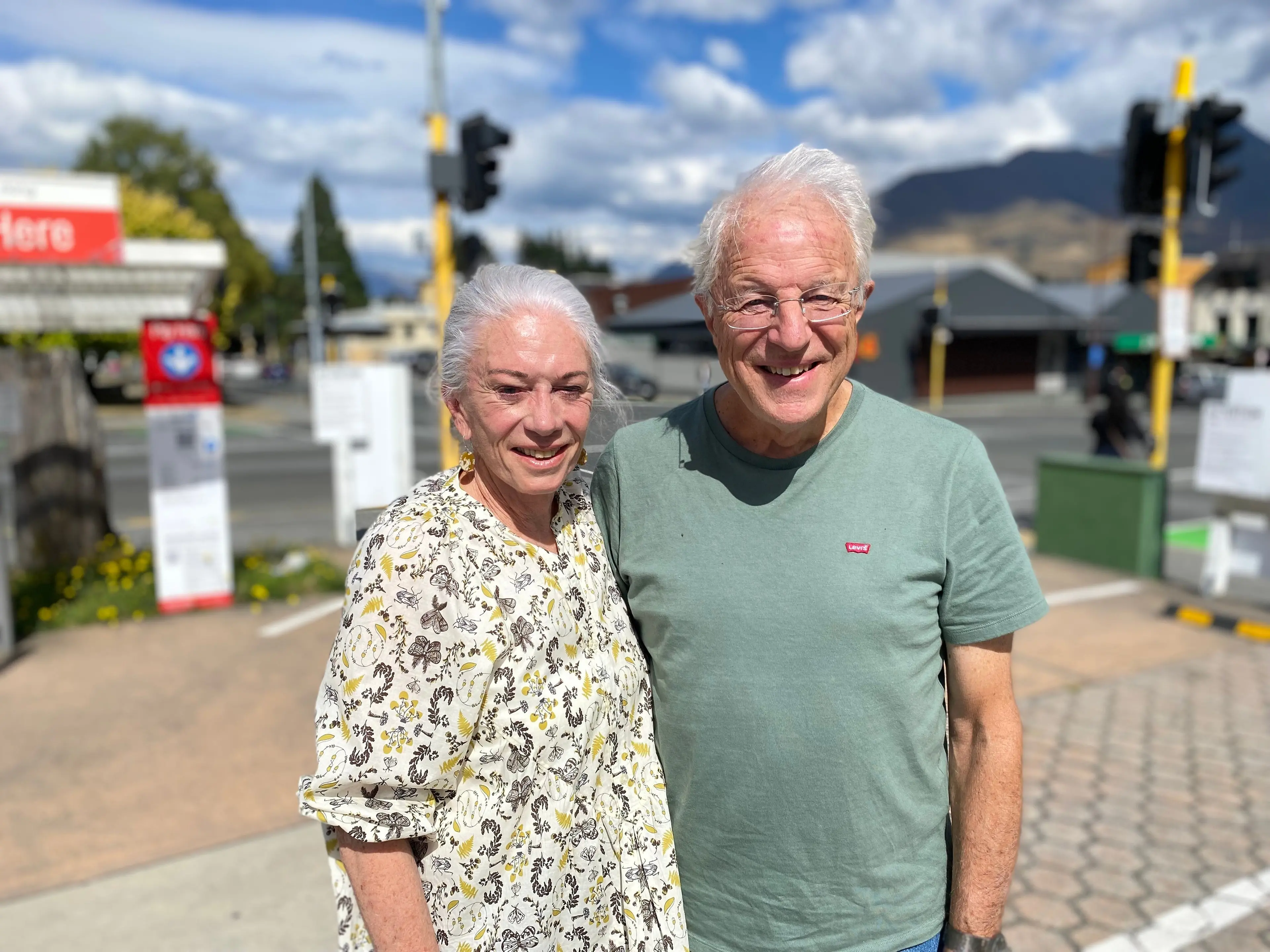
Sue Farry says when her late husband Pat arrived from Dunedin to become a Queenstown GP in January, 1972, they only intended staying a year.
Thankfully they stayed longer, and in ’76 Pat Farry founded Queenstown Medical Centre (QMC).
New Zealand’s second only multidisciplinary medical centre, QMC’s celebrating its 50th anniversary this weekend, and even though Pat died, aged 65, in October 2009, his patient-focused legacy remains influential all these years later.
Pat — whose local experience led him to become a world-renowned champion for rural medicine — was originally invited to Queenstown by Dr Phil Airey, to replace Dr Bruce Todd.
While taking the call, a hot pot of oil he’d left on a stove almost burnt down the hospital house at Wakari where he was resident surgical officer.
‘‘Then he got all these hospital towels to clean it up and put them into this washing machine that emptied into a tub so he ended up with a flood,’’ Sue recalls.
Pat joined Airey in a tiny clinic in Rees St signposted ‘Drs Airey and Farry’.
‘‘Passers-by could be heard chortling ‘Airey and Fairy’’’, says Sue, who started a physio clinic during their lunch break.
‘‘On arriving, I found Phil plucking ducks in Pat’s room and in Phil’s room the examination bed end was held up by a stool.’’
The doctors would be on-call on alternate nights — ‘‘if Phil went on holiday it meant being available day and night for two weeks’’.
During winter, Coronet Peak skifield’s toolshed turned into a medical room and the Farrys’ Combi van was deployed as an ambulance.
Sue says the need for better services encouraged Pat to stay on.
‘‘He learnt rural medicine hands-on because of the lack of services.
‘‘I always said, this area trained us.’’
Airey had left by the time Pat realised his vision for a multidisciplinary centre — supported by ANZ bank pension funds, a Spanish-looking medical centre on the Shotover/Stanley Sts corner was officially opened on October 13, ’76.
Along with an impending pharmacy and two other doctors, the centre hosted a radiographer, psychologist, creche and visiting consultants’ room, while Sue also came onboard.
Pat later told Mountain Scenea visiting United States professor schooled him on the true nature of general practice.
He was also granted a teaching appointment at the University of Miami, in the US — ‘‘I was supposed to be teaching general practice, but in fact I was learning it at a great rate’’.
‘‘If he wanted to learn something he didn’t see any barriers,’’ Sue says.
For skiing injuries he learnt to cast from a guru in Canada, and he undertook preventative education on the slopes.
He was behind the first use of teleconferencing in NZ medical education and was one of the first NZ GPs to adopt acupuncture after visiting China.
Dr Don Simmers, who joined QMC in ’82 and stayed 20 years, says ‘‘although Pat was superb at doing surgeries, setting bones and that sort of stuff, his real forte was teaching patient-centred care and really putting the patient at the centre of the whole universe’’.
‘‘I’ve worked in Wellington, in the Wairarapa, and, honestly, nothing holds a candle to what Pat was doing in terms of interaction with patients.’’
‘‘Time [with patients] was never an issue’’, Sue says, ‘‘he was always running late.’’
Pat’s influence at QMC continues through doctors taught by him, such as 30-year veterans Milne Simpson and his partner Sonja Sparrow, and Fiona McPherson.
Though his focus shifted into lobbying for rural medicine and introducing NZ’s first rural immersion for medical students, he still tended to some older patients.
Four months before he died, while on locum in Twizel, he was made a Member of the NZ Order of Merit for services to rural medicine.
Just the night before he had assessed a group of students in Queenstown, including locally-raised Olivia Hill, who told Scene ‘‘Pat’s charisma and passion for medicine was undoubtedly the reason for me to enter medicine’’.
‘‘As a little girl I fondly remember making paper flowers for him to put in his clinic room, in awe of such a caring doctor.’’
QMC CEO Ashley Light says they allude to Pat’s contribution when inducting staff.
While charged with running a sustainable business, Light says they maintain Pat’s patient-centred approach — ‘‘everything we do, before we make a decision, is ‘what does this mean to the patient?’’’