
PHOTO
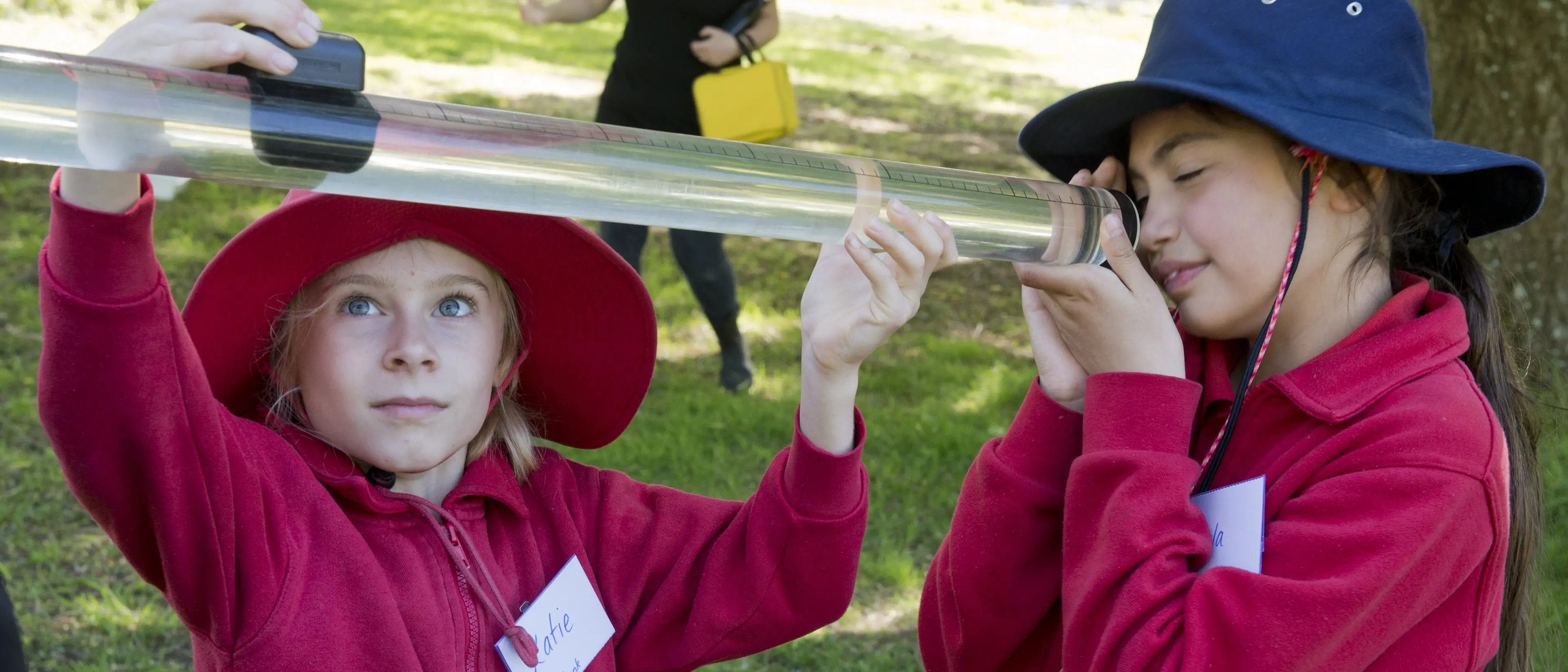
A stream leading to Lake Waihola is now so overgrown with long grass and weeds, pupils at an Enviroschools hui were unable to access it yesterday.
Not only was it an eye-opener for the 46 pupils from eight Clutha schools visiting Waihola as part of an Enviroschools hui, it was a shock for the educators involved in the project.
Enviroschools co-ordinator Robyn Zink had hoped pupils would be able to take water samples from the stream and test them, but it was so overgrown, one of the educators had to make their way to the stream and collect the water samples for them.
The experience showed pupils first hand what an uncared-for waterway looked like, Ms Zink said.
"The theme is the water in the area, the impacts that we have on it and the things that we can do to look after it and make sure it remains as healthy as it can be."
At the hui the pupils learned about the history of the area and how it was an important mahinga kai (food and resource gathering) site for Maori, and about some of the work that was going on to re-establish the area as a food source.
A large model of the Waihola catchment was on display in the community hall to show the pupils the impact that local activities were having on the water in Lake Waihola and the waterways feeding it.
Pupils also had an opportunity to do some water testing and riparian planting in the area.
"Riparian planting is important because it improves water quality, it slows the water down to mitigate erosion and it also helps to hold water in the surrounding land and make it more resilient to drought."
The hui was part of an ongoing programme which aimed to educate Otago schools about their local environments.
The Clutha pupils’ ultimate aim was to help restore the area so food and other resources could be harvested again.