
PHOTO
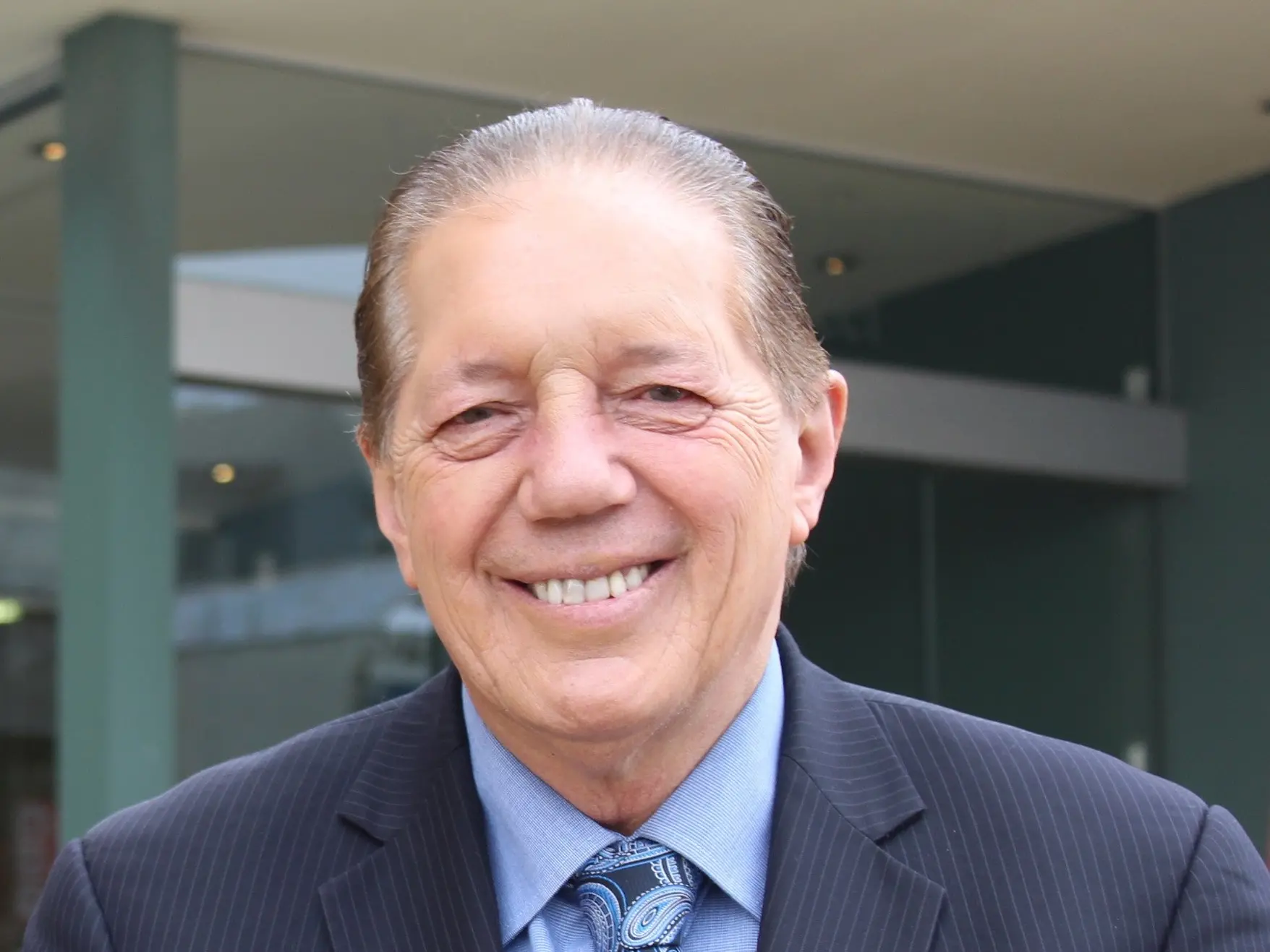
Rising tensions at Invercargill City Council have prompted a move from the Department of Internal Affairs (DIA) which could result in the Government intervening in the problem-plagued local authority.
The ICC said this afternoon the department had sent a letter to the council asking for information so it could provide advice to the Minister of Local Government on what action she may take under Part 10 of the Local Government Act.
Part 10 of the Act allowed the minister to assist or intervene in local authority matters if necessary.
The DIA raised concerns in the letter following recent media coverage of the council's activities.
"The move comes as ongoing tensions between elected members, and at times, between elected members and staff, have regularly been subject of public, media, and social media debate," the statement from ICC said.
The ICC said it was appointing an independent adviser to guide the council as it seeks to improve relationships and strengthen governance ahead of the Long-Term Plan process.
The independent chair of the Risk and Assurance Committee, Bruce Robertson, would assist it through the process of assuring the DIA it had the structure and relationships in place to deliver unified leadership for the city.
Invercargill Mayor Sir Tim Shadbolt said an opportunity to learn, improve, and strengthen the work being undertaken around the council table, and the relationships between elected members and staff, was welcomed by all elected members.
"Differences of opinion are vital to any democracy, and we will work within this review to demonstrate democracy is alive and well in our city.
"In the interests of everyone, differences of opinion need to be respected, while a democracy aims to resolve its differences and support its community with clear leadership. Elected members have welcomed the opportunity to demonstrate that we have the ability to serve our community well," Sir Tim said.
Sir Tim said the challenges presented by a current and post-Covid-19 world, along with future planning for the city’s assets meant a respectful environment was essential to allow elected members to seek guidance from staff while having robust debate.
Chief Executive Clare Hadley said councillors had taken positive steps forward in prioritising projects, and a focus on strong democratic process was essential to ensure sound decision-making.
"Local government can appear to others as slow and frustrating, but our processes are in place for a good reason, to ensure all options are canvassed and decisions are made thoughtfully with regard for the long term and for the priorities of the many projects and responsibilities every local authority must turn its attention to."
Mrs Hadley said ICC had recently made changes to its processes for decision making this term, with the introduction of new committee structures.
"Feedback from elected members is that this has streamlined the decision-making process, rather than waiting for the six-week cycle of meetings it had previously," Mrs Hadley said.
The community could be assured that it was business as usual for the day-to-day operations of the organisation, she said.