PHOTO
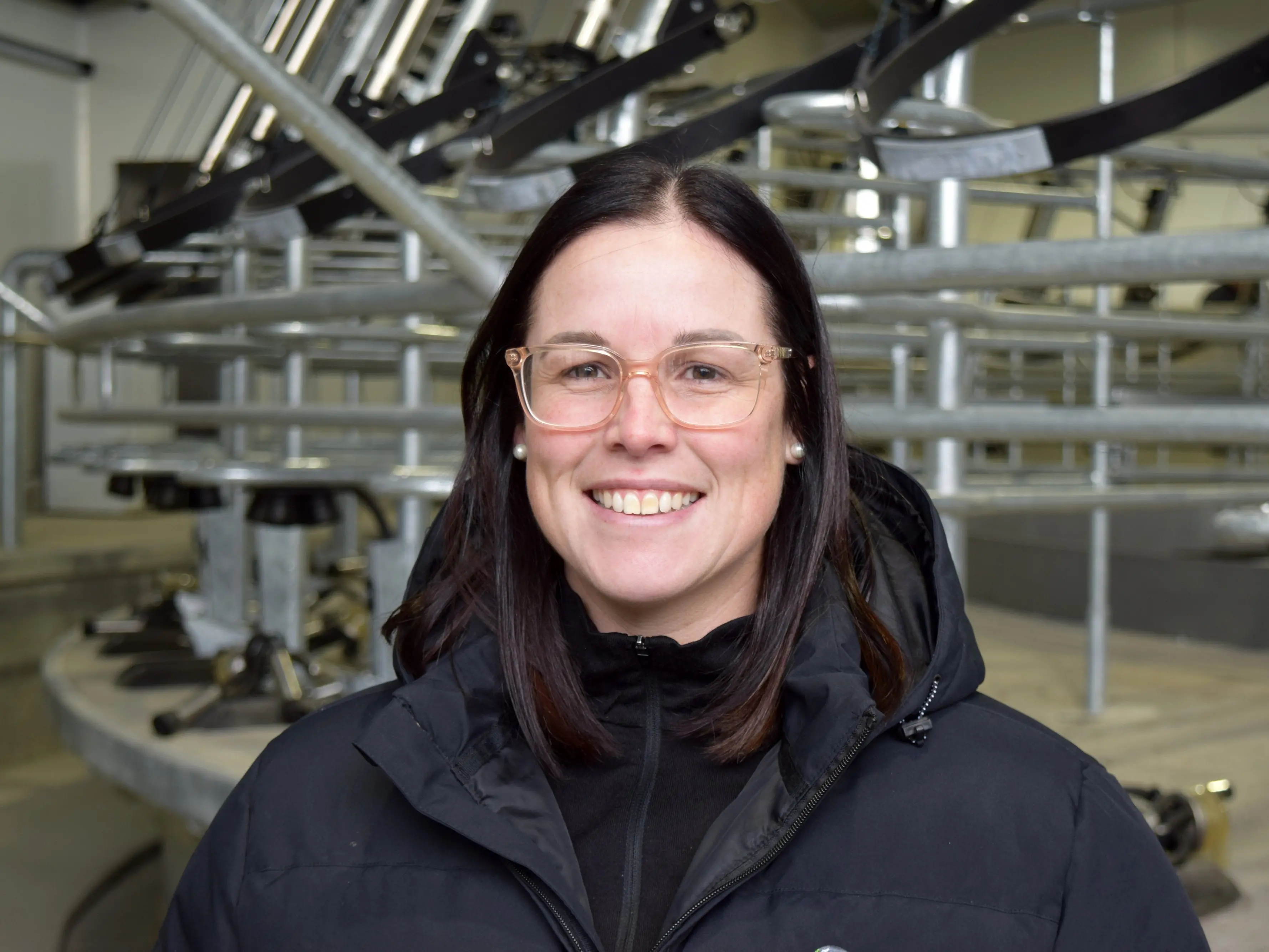
Now is a good time to apply for a dairy farm conversion, a Southland consent planner says.
Landpro senior consents planner Jade Fitzek, of Invercargill, spoke at a DairyNZ field day about her part in the process of the expansion of Birgit and Jon Pemberton’s dairy platform in Southland.
When the Pembertons approached Landpro about the conversion the advice was to act now.
"It is not an easy task but it is never going to be as easy as it is now because there will probably be more legislation in the future."
The resource consenting legislation set by the central government was the Resource Management Act, National Policy Statement Fresh Water and the National Environmental Standard Fresh Water.
Local government set a regional policy statement and regional plans.
The current central government had amended, replaced and disestablished many of the environmental regulations, such as delaying requirements for freshwater farm plans.
However the Pembertons required a consent, as existing rules in Southland’s regional plan stop a dairy platform and cow numbers increasing beyond levels in 2016.
A consent application for a dairy expansion requires nutrient budgets to show how water quality would be improved, Ms Fitzek said.
Nutrient budgets compare the average losses from the existing system for the past five years, compared to the proposed farm system.
The budgets need to show a reduction in key contaminants including nitrogen, phosphorus, sediment and E. coli.
"If the nutrient budget doesn’t trend in the right direction, this is where the process stops because if you can’t get the nitrogen and phosphorus to decrease, there’s a high chance council will decline the application because you are not improving water quality."
The next step was including mitigations, such as growing plantain, reducing winter crop areas, using catch crops and feed pads, riparian planting and wetland construction.
Then Landpro prepares an application document including necessary consents, such as effluent discharge, groundwater abstraction and effluent storage.
When the application was lodged, the council had 20 working days to process it, if no other information or a technical review of information was required.
At the same time, the application was given to affected rūnanga for assessment.
A consent would most likely contain conditions including nutrient limits, surface water quality testing and mitigations, which need to be completed prior to expansion.
Before starting the process, a farmer needs to ask if they would be happy running the farm system with the proposed mitigations in the consent application.
"If you’re not happy with the system, stop right now," Ms Fitzek said.
Ms Fitzek said since the Pembertons’ consent had been granted, Landpro had been involved with the approval of another eight consents for dairy farm expansions in Southland.
Landpro staff had lodged another three consents with Environment Southland and were drafting another six applications.
"We also have two new dairy farm conversions with Environment Southland, so there’s quite a lot going on."