PHOTO
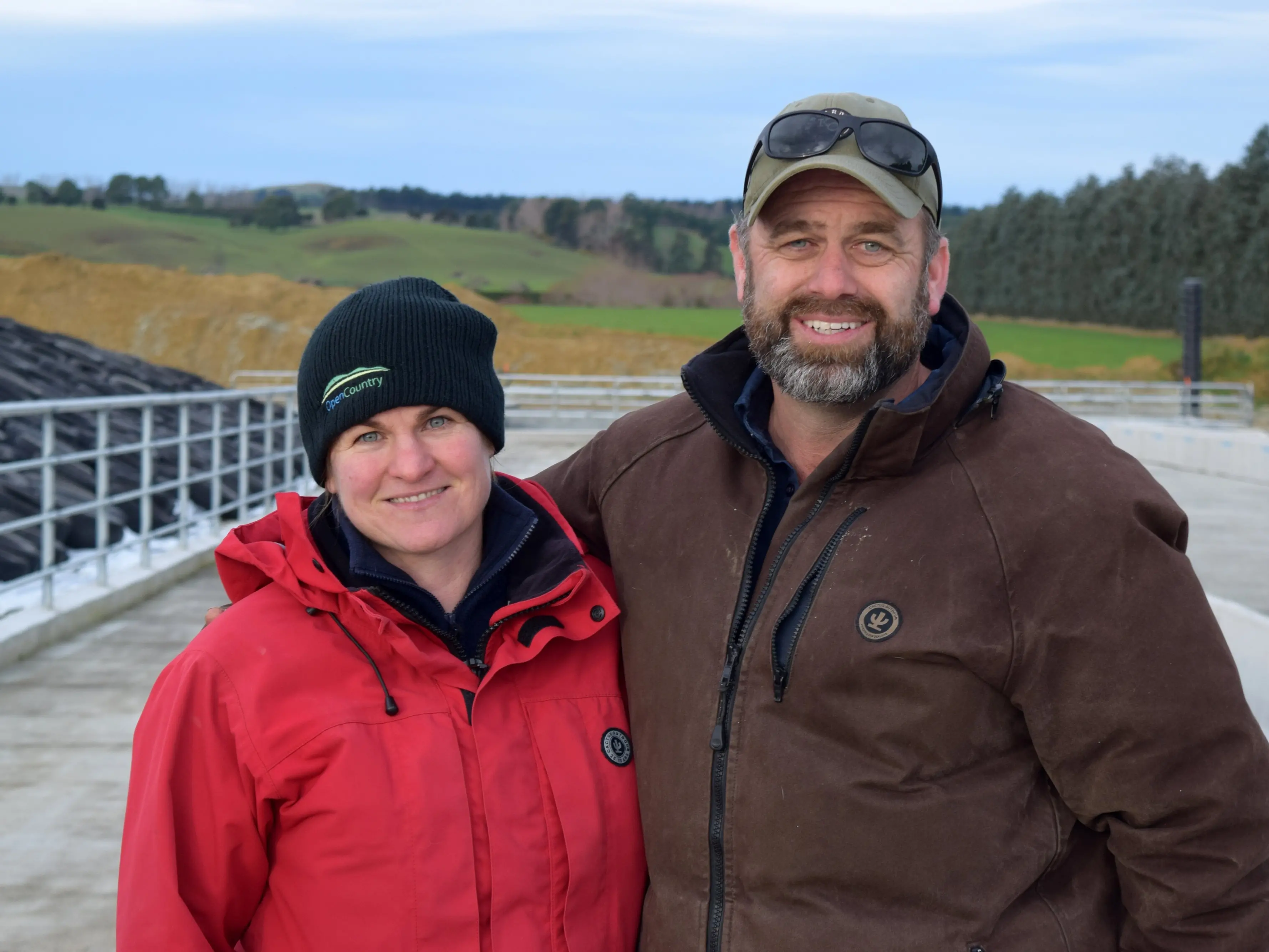
Sustainable and responsible dairy growth is possible, Southland dairy farmers say.
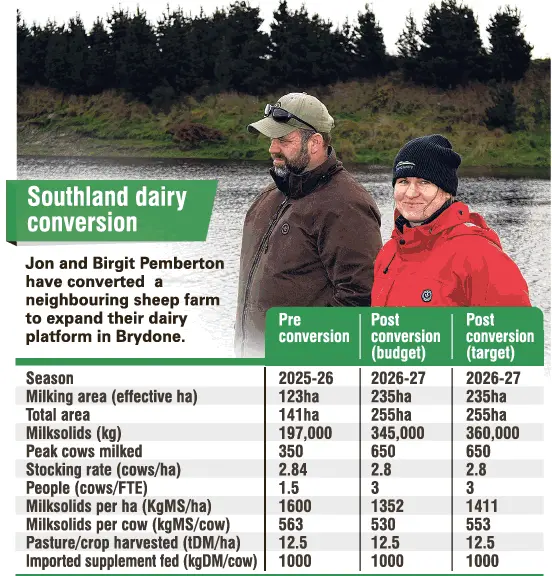
Birgit and Jon Pemberton, are converting a 116ha organic sheep farm to expand their existing dairy farm Lowburn Ag in Brydone.
“We can have land-use change but we can’t do it how we used to,” Mr Pemberton said.
Mr Pemberton, a fourthgeneration dairy farmer, and Mrs Pemberton, originally from Austria, had a consent to milk 420 cows on about 140ha in Brydone, near Mataura, since 2014.
About five years ago, they leased a farm nearby in Edendale and milked about 1200 cows across both properties.
Mr Pemberton said when they increased the size of the herd, cow prices were reasonable.
When the five-year lease agreement was about to expire recently, they contemplated what the next step would be for them — either stay and invest in infrastructure or sell and move on.
When the sheep farm was up for sale, they decided to stay because they enjoyed farming in the area.
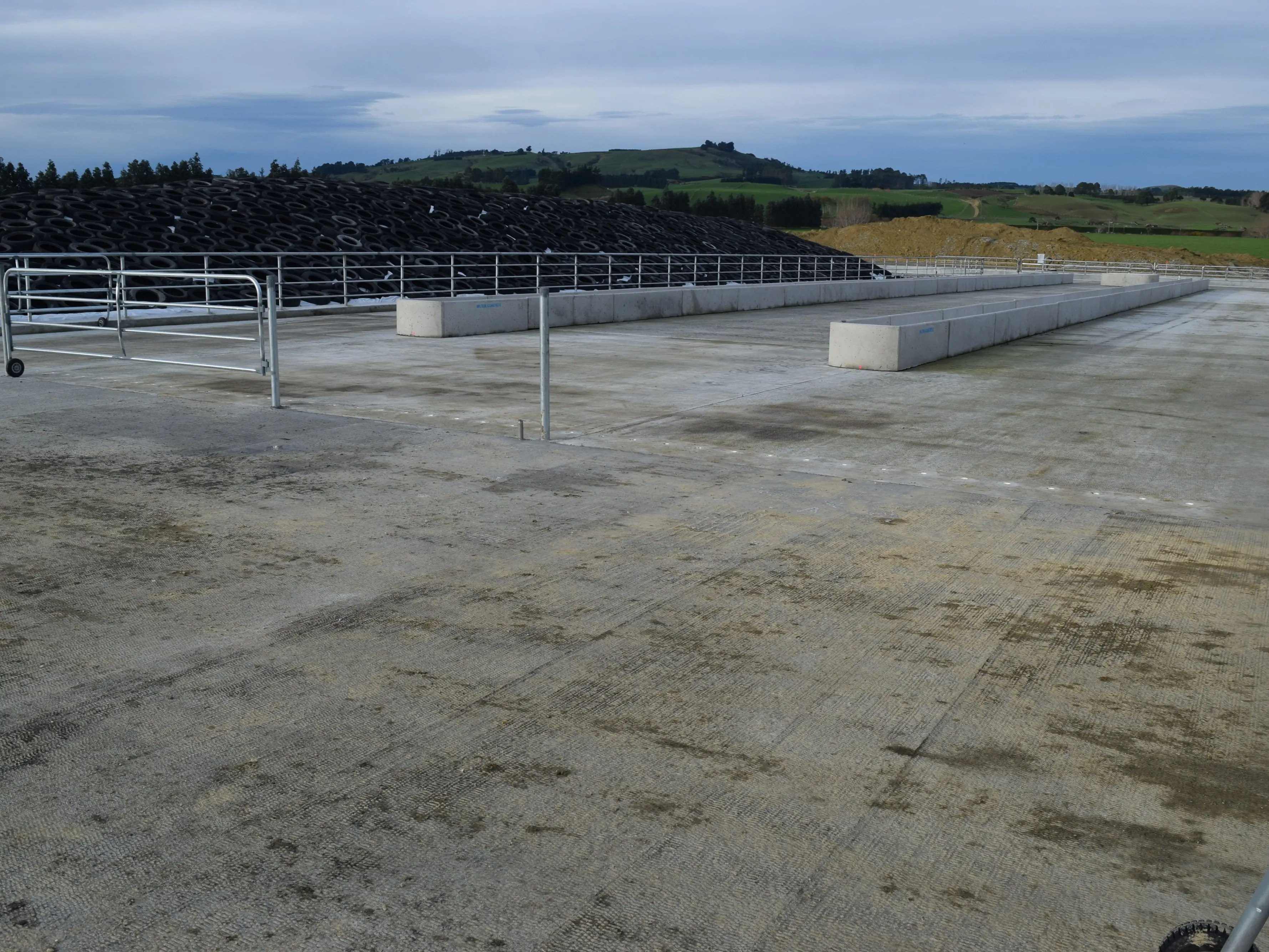
The expansion of the dairy platform would create a simpler system featuring one farm, 650 cows, a central lane and new infrastructure including a new milking shed, feed pad, silage pad and wetland.
“The dream farm we have been looking forward to,” Mr Pemberton said. They sold 600 of their surplus cows and prices were higher, he said. “About 90% of farming is timing and we got lucky.” Their approach to the conversion focused on building a future-fit system, which balanced profitability, environmental responsibility and practical on-farm realities. “We are looking for resilience.” Adverse weather events, including a storm in October last year, had shown “exposures in your business”.
Mitigations in a new consent include constructing a wetland and using part of the farm near the river to produce silage rather than graze cattle.
He slept easier knowing any future flooding of the paddock would have a smaller impact on his more resilient, simpler farm system. “For the 2020 flood, we spent six weeks picking up to 5000 tonne of gravel off that block.”
The resilience would allow him to get more days fishing rather than working, he said.
A consent application to convert the farm from sheep to dairy was submitted in October 2024.
The deal to buy the sheep farm in Brydone settled on June 5 this year.
Earthworks for a new 54-bale rotary shed began in October last year and the build was expected to be complete this month.
Their new milking shed would replace a 28-a-side herringbone, built in 1991.
“That shed is on its last legs.”
Under the new consent, cows could be milked for longer and the herd were wintered offfarm.
The feed pad did not feature in the current consent but its installation would help the business obtain future consents.
“In 13 years’ time, they’ll be asking us for further reductions, so were are focusing on improvements while milking under this consent and having systems in place, so it is not a shock to the system for the next consent.”
Farmers needed to take responsibility on the direction of the dairy industry, rather than relying on the sector or central and local governments, Mr Pemberton said.
“We are the ones who bore the brunt of not getting it right in the 2000s and I sure as hell don’t want to go back there.”