PHOTO
Farmers can help protect "love zones" where whitebait spawn, a freshwater ranger says.
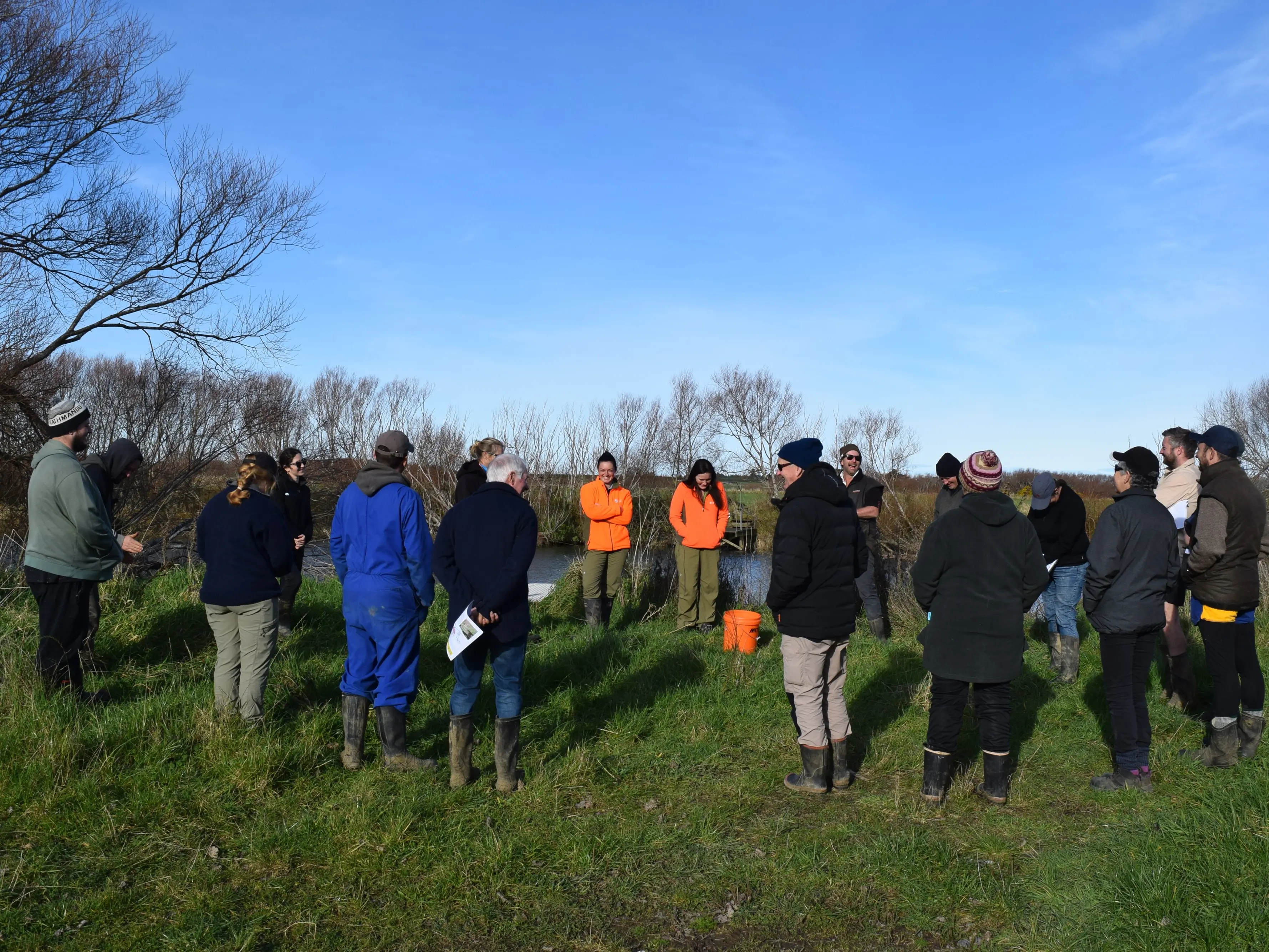
Inanga were one of the six species fished as whitebait in New Zealand, Department of Conservation freshwater ranger Hana Mason said, speaking at a Lower Aparima Catchment Group tour stop at the Aparima River in Gummies Bush.
The whitebait swim to the top of the catchment and spend about a year there.
They then swim back down the river and lay eggs on grass at high tide between January and June.
When the water recedes, the eggs remain on the grass for about a month.
The next spring high tide takes them out to sea, where larvae live for six months before returning to migrate up the river to repeat the spawning process.
Whitebait spawn in a salt wedge, parts of a river with the right mix of saltwater and freshwater.
The wedge was a "love zone" for whitebait, Ms Mason said.

The biggest threats to whitebait included pollution, predation including mice and rats and habitat loss.
Farmers could improve a spawning site by making river banks more level, increasing riparian vegetation and excluding livestock.
She had seen eggs in pasture 20m from a river.
Doc freshwater technical adviser Jane Bowen said inanga had a change in conservation status last year, moving from "at risk — declining" to "threatened —nationally vulnerable".
It was important to protect spawning habitat to help continue the life-cycle of whitebait.
Group member and farmer John White was one of the 20 people on the tour.
Farmers were "part of it" and willing to act to improve habitat.
However, farmers were the first to be targeted to improve environmental outcomes, when other parties had an impact, Mr White said.
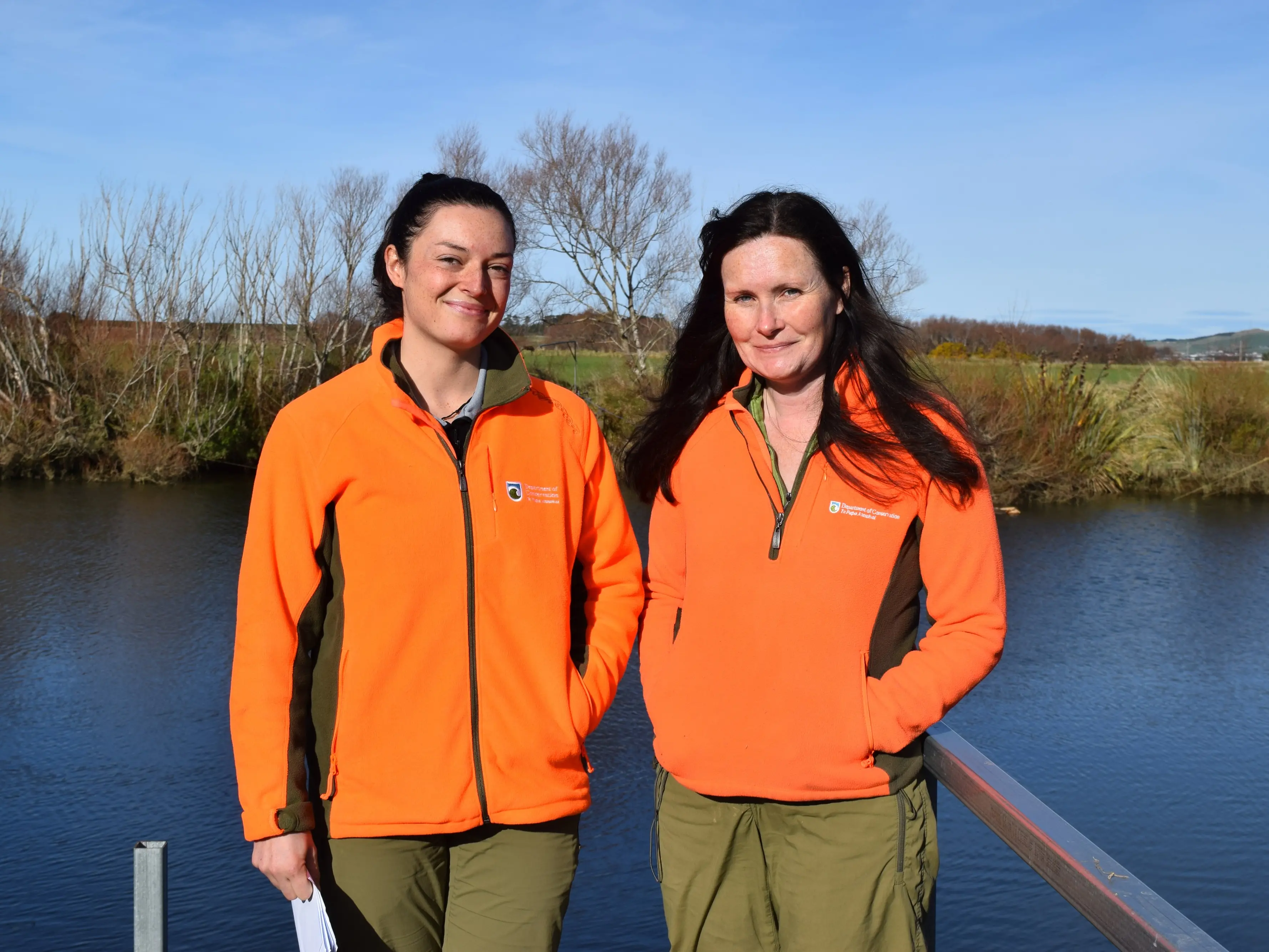
Ms Bowen said inanga faced "a range of threats" and each threat had to be identified to be able to find a way for each party to "do their little bit".
The motivation from the catchment group to improve the fishery was "cool", Ms Bowen said.
Farmers shared stories about the Aparima River being a popular spot to catch whitebait, attracting hundreds of fishers.
"There’s usually more people here than at Rugby Park for a Stags game," a farmer said.
There was no catch limit for whitebaiting.
Often when a fisher was asked how much they caught, the response was always the same, the farmer said.
"Every whitebaiter I’ve ever known, it’s ‘enough for a feed’, whether they’ve gone home with an ice cream container full or six 20-litre buckets, it is always ‘enough for a feed’."