PHOTO
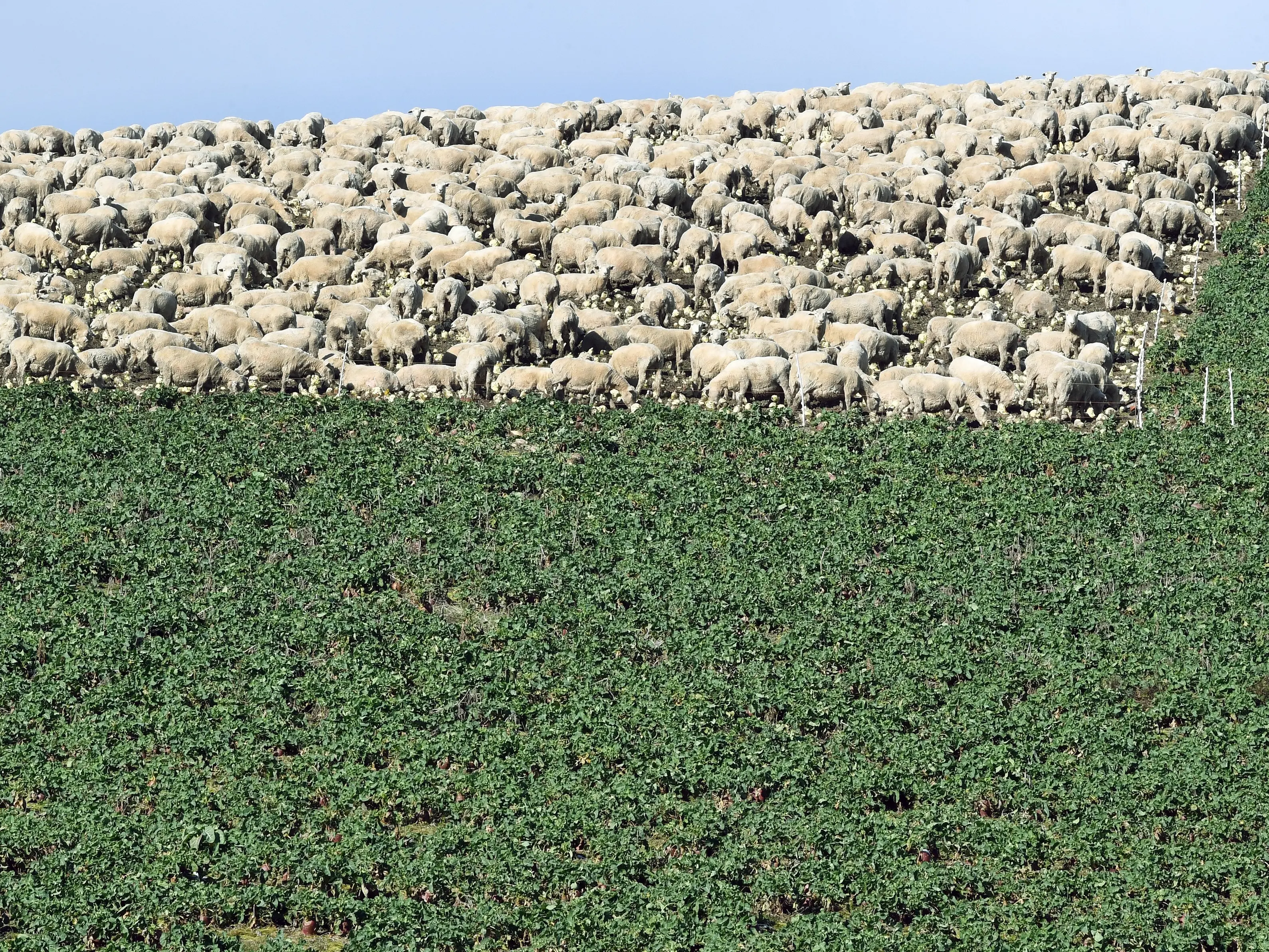
Intensive winter grazing applications must be in by May 1 this year, the Otago Regional Council says.
Council consents acting manager Alexandra King said the consents applied for could generally be for up to the next three to five years.
The average time between applications being lodged and granted was five days, she said.
As of the end of last month, there had been 152 intensive winter grazing applications — 129 had been granted and the rest were being actively processed, covering in total more than 10,000ha for this winter.
"Applications have been open for more than six months, but it’s down to a couple of weeks left now.
"The number of applications coming in has increased steadily over the last month which is great, but we’re encouraging people to apply and be ready for winter."
The new regulations around intensive winter grazing started on November 1 last year and applications for this winter, and beyond, should be in by about now to ensure consents were in place by May 1.
"The consents team is there to help with advice on the IWG consent process, farm plans and management practices."
In most instances, farmers were being encouraged to apply for consent for the next three to five years, she said.
Farmers would then need to update their management plan annually, telling the council where they had grazed in the previous year, and where they plan to graze during the next season.
While farmers need to apply for the paddocks they were likely to graze over the next few years, actual paddock selection and the day-to-day farm operation was still in the farmer’s hands.
Farmers could still undertake the activity without consent, but only if they can meet the permitted criteria in the regulations.
Council compliance manager Tami Sargeant said staff were working closely with Dairy NZ, Beef + Lamb NZ, Deer NZ, Fonterra and Federated Farmers to support farmers.
"We want to ensure farmers have the information and advice they need to manage their farm with minimal risk to the environment."
Council principal compliance specialist Mike Cummings said the first round of flyovers, which looked at any instream disturbances, forestry and intensive winter grazing areas, had been completed and staff were processing the photographic observations.
"We’ll be sharing a broad overview of our observations with catchment groups and industry."
Over the next week or two, the council might also be sending letters and calling or visiting particular properties if further context was needed for observations made from the air, Mr Cummings said.
In particular for intensive winter grazing, the goal of the flyover was to provide targeted information about rules, timeframes and to link farmers with further support around this farming practice, before May 1.
The flyovers last year found "a massive positive change" in intensive winter grazing practices compared to previous years, now that farmers were coming to understand how the rules applied to their practices, he said.
"It was great to see the on-farm changes last year.
"We’re hoping to see the same level of practice this year, if not better given the level of engagement from the community."
WORKSHOPS
The final two intensive winter grazing workshops will be held on April 27 between 9.30am and 11.30am at the Toko Rugby Clubrooms, in Milton, and between 1pm and 3pm on the same date at Simpson Park Hall, in Lawrence.