PHOTO
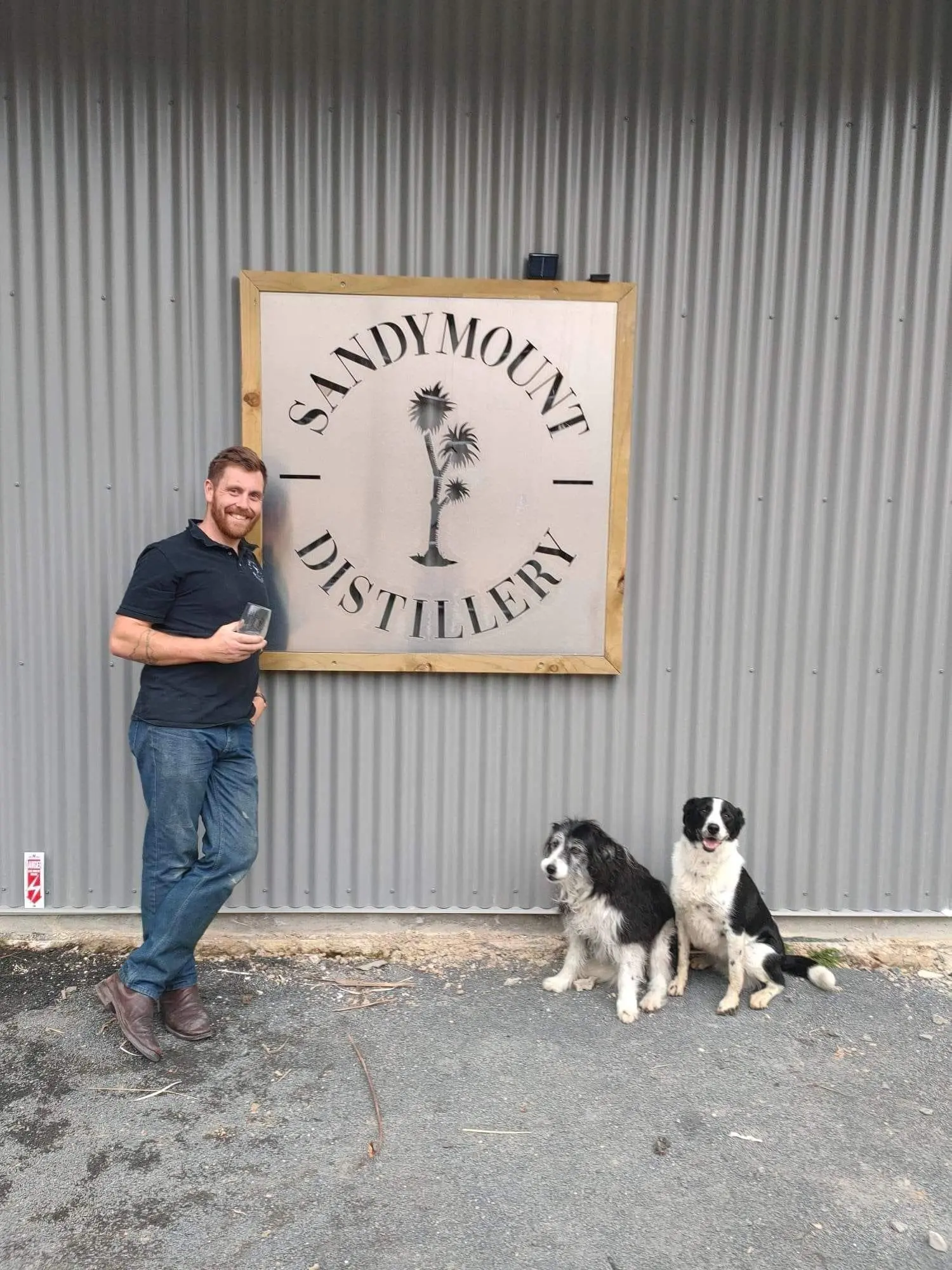
Otago's Sandymount Distillery has become the first distillery in New Zealand to achieve carbon neutral status.
The distillery, on the Otago Peninsula, has been in commercial operation since May 2021. Owner and distiller Richard Wilson was delighted to reach the milestone before its second anniversary.
"This is what I’ve been working towards since I built my first still. It’s really something to celebrate."
Mr Wilson aimed to create some of the country’s best craft spirits using the property to provide the resources, and replenishing it by replanting and encouraging the growth of native forest and habitat.
The EKOS certification, which needed renewed annually, assessed every aspect of the business, considering the carbon outputs against the carbon mitigation measures.
Mr Wilson said his prior experience in facility management meant he could factor in carbon mitigations as he was developing the distillery site.
"It’s great to be pushing the boundaries in this space. New Zealand’s distilled spirits sector is very collaborative and future-focused so I’m definitely not the only one working with our environmental footprint front of mind — but I’m still pretty happy to be the first to get this tick."
Some of the mitigations include.—
- The building is 102sq m, made from timber and steel, insulated and lined
- The distillery land is being reforested with native species
Technology is designed to reduce power wastage and demand:
- Ninety percent of the stills’ output is run through the 7.8kW solar system fed by 20 roof mounted panels
- Excess power is sold back to the grid, offsetting periods when some grid use is required
- Remotely controlled LED lighting and digital wireless security reduce reliance on power-hungry older technologies.
Ingredients are sourced as close to the still as possible:
- Liqueurs are made from fruit trees on site
- Tī Kōuka is made from native botanicals grown on site
- All products are made from on-site spring water
- Vermouth is made with wormwood planted four years ago when Mr Wilson purchased the property
- Juniper, which does not grow commercially in the southern hemisphere, is sourced from European markets
- The coolant used in the distillation process is rain water which is reticulated and pumped around the system, meaning no chemical coolants or refrigerants
- Product labels are made from post-consumer waste
The electricity demand varies depending on production schedules; when the distillery is producing gin in the 120litre still, it uses 4.8kWh of power, easily delivered by the solar array on a regular Dunedin day. The 300litre copper pot whisky still uses up to 10kWh, and this can draw from both the solar and the grid. When the stills are quiet, the facility draws less than 1kWh of power.
The largest contributor to Sandymount Distillery’s carbon footprint is travel and freight, although Mr Wilson delivers Dunedin orders himself, meaning he could combine trips and reduce both fuel consumption and packaging.
"To offset our biggest carbon uses, we’re investing in planting native forests, both on site at Sandymount, with a planting plan of 2000 native trees over 36 months, and through the EKOS carbon zero certification plan at Kanuka Hill in Uruwhenua, Mōhua [Golden Bay].
"Becoming carbon neutral is the first step. What we have to do next is work out how to reduce our footprint entirely so we can get to carbon zero — there’s a way to go for that yet."
This week Tī Kōuka Forest Gin and Lover’s Leap Dry Gin won silver at the London Spirits Competition. They were also recently awarded silver at the International Wine and Spirits Competition.