PHOTO
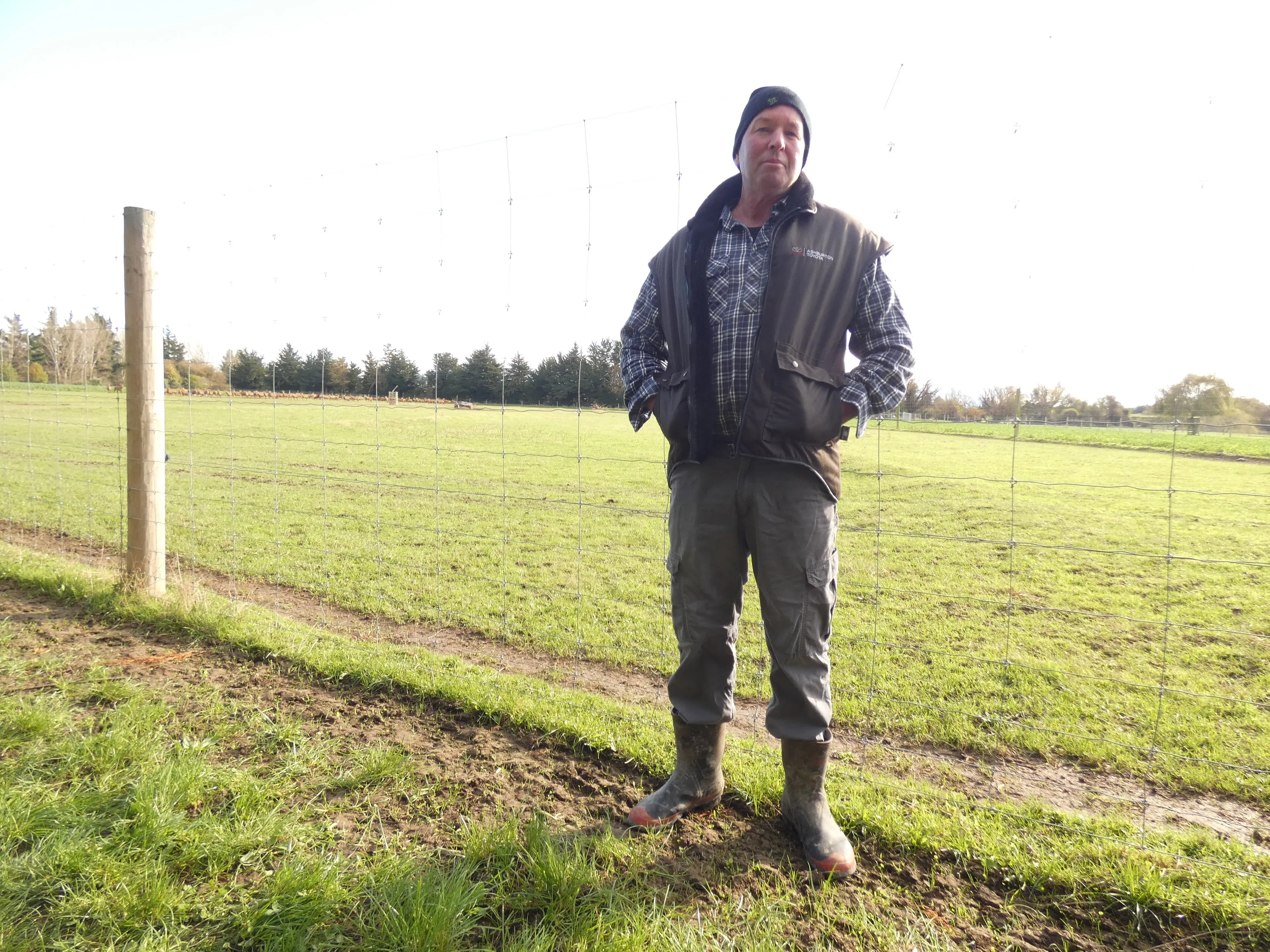

Greenstreet farmer Darryl Butterick does not mince words when it comes to the toll a major flood has taken.
In two years he has taken just three days off, and that was a month ago.
Otherwise every waking hour of the day is being spent on a rebuilding project at their Mid Canterbury farm that’s emptying his and wife Lyn’s pockets.
That started with burying the neighbour’s perished heifers and his own dead stags, calves and other stock left on his property.
"We lost all our sires — they got washed away and last seen in the headlights first thing that morning," he says.
"At the bottom of the hay shed that was split in two they stood in water at 6.30am. By the time we flew down later in the afternoon there, they were all gone.
"We did get one back so out of 10 or a dozen in that mob there was only one."
A total of 30 deer, including hinds and weaners, drowned or were never seen again.
Then there has been the arduous assignment of recapturing deer that quickly went feral, endless filling of scoured out holes and replacing fencing, water troughs and other infrastructure in paddock after paddock.
A heavy layer of silt and gravel settling on deeply buried top-soils had to be cleared and there is the ongoing work of controlling river weeds invading the property.
On top of this, there has been the frustrating layers of bureaucracy and claims shrugged off that a build-up of gravel in the nearby North Branch of the Ashburton River should have been emptied long ago.
Throwing in the towel was not an option and he and Lyn have gone about their work with the help of good friends and neighbours, a supportive rural community and sympathetic contractors and farm suppliers.
Progress is finally being made after a long, hard slog.
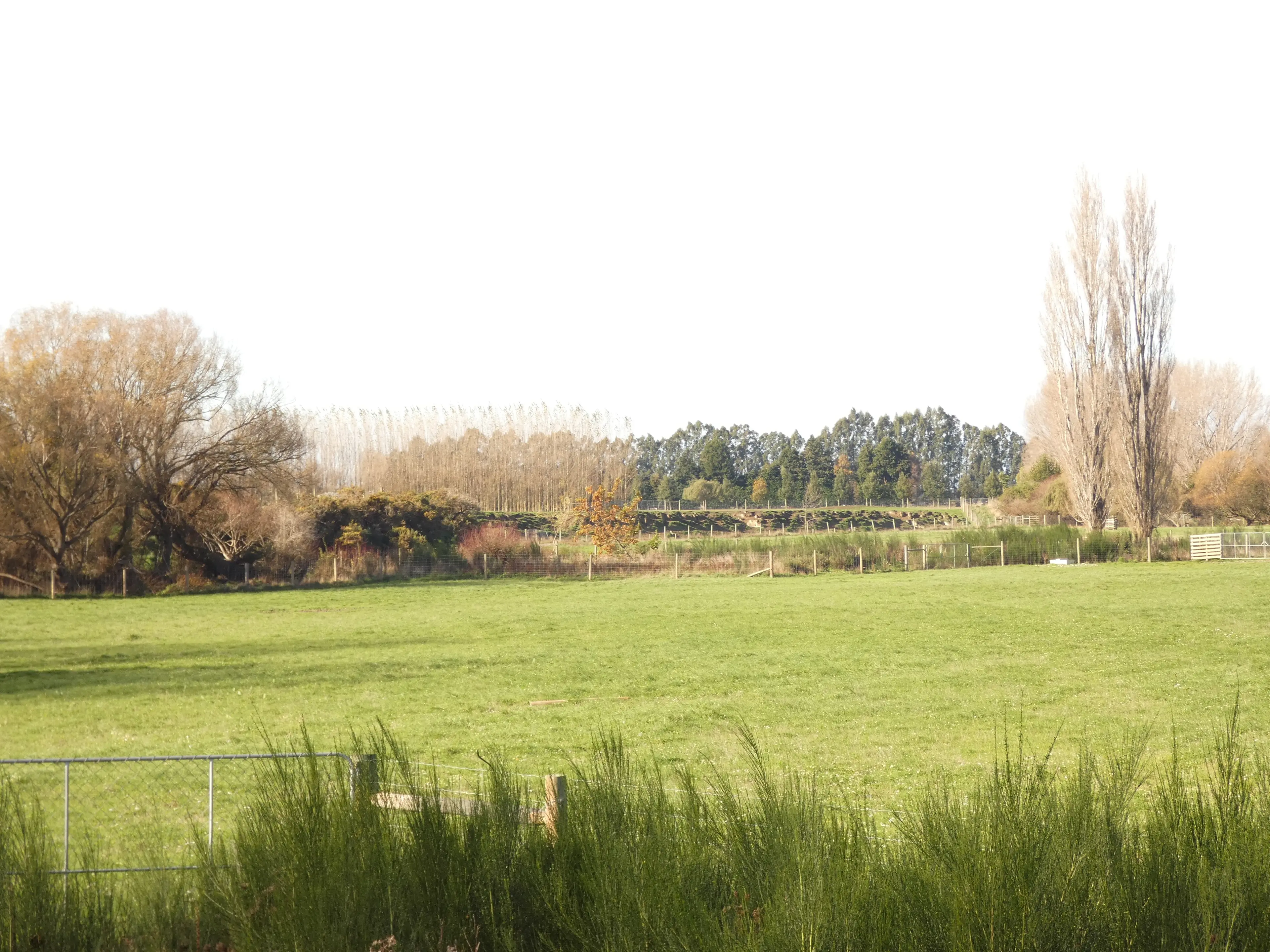
Hard-hit paddocks next to the deer yards have been repastured to restore top soils and show little sign of the thick sludge left after the waters receded. The deer block is in the lower-lying part of the farm that bore the brunt of the damage when the riverbanks broke.
The fencers were at the property on and off for a year, trying to restore order in paddocks. A shortage of fencing supplies slowed the recovery.
Mr Butterick says a lot of work has gone in to heal the farm.
He shrugs his shoulders at the workload.
"We were hammered in that flood coming up two years ago at the end of May, so we’ve done quite a bit of work since, burnt a lot of diesel, had a lot of people volunteering early on. We were basically wiped out with two rivers nailing us.
"At the deer farm we were left with two deer-proof paddocks and a deer shed — that was all down there. All our deer were out and on this side of the road we had the river flowing for three weeks just at the back of the house and no river protection for 12 months.
"If it had broken out the other side it would’ve gone through Ashburton so we’ve gone through a massive rebuild phase."
The Buttericks’ 170ha Plains Pastoral farm is flanked by the North and South branches of the Ashburton River. About 45ha of the border-dyke irrigated farm is reserved for a velvet and trophy deer herd and the rest for finishing bulls, a few heifers and lambs.
The flood’s force after a three-day storm dropped about 550mm of rain upcountry from them in 2021 had to be seen to be believed.
On one side of the deer block they rescued a neighbour from a tree by a stroke of luck.
They only spotted him because of his head torch which he had somehow kept hold of despite being dragged through paddocks and fences.
The rescue helicopter was stood down because of atrocious weather so he and a helicopter pilot mate hooked the relieved dairy farmer from his perch. About 20 minutes later, the tree toppled over.
Further along, they rescued another man from a fencepost where water had not been seen before.
Fortunately their house came through unscathed as the flood flowed east, but the waters backed into nearby sheds up to the seats of the quad bike. Anything of value at belt level in the workshops — chainsaws, compressors and other tools — was ruined.
A triangle in the yard was 300mm deep in water where helicopters landed on the first and second days.
Initial warnings called it a one-in-10 year flood, so as a precaution a five-tonne digger sat at the top of a culvert s by the river in case water spilled through.
Updated posts later that night revised the warnings to a larger, more forceful, rain event.
"By that stage you ... weren’t going to chase deer around in the dark, especially when they were talking about a one-in-10 year thing.
"It pissed down all night here and upcountry they had a lot more. We were out at 6am with the headlights on and there was water down at the bottom of the terrace where there had never been water before.
"Then we shot up and checked the North Branch and the water was about [550mm] below the top of the bank where there had never been water before."
When they landed the helicopter, he got a phone call from his wife, who had gone out to shift a mob of bulls on the edge of the water.
She looked up to see a wall of water approaching.
"She said ‘you’re going to have to get the helicopter out here quick, I’ve got water all around me’.
"The North Branch bank above us broke and it had gone from no water 10 minutes earlier to her tucked in behind a mob of a couple hundred bulls. She was able to go down with it and crab up an irrigation bank.
"By the time she got out and we pushed out the 450kg bulls by helicopter they were swimming."
Somehow they managed to direct the bulls down a lane and into water that was only 600mm deep.
Three to four days passed before the floodwaters retreated and they could see the full extent of the damage.
Where the neighbour was rescued, a scoured out creek barely 2m wide is a metres-deep pond today.
The creek filled up with shingle and spread its contents in a 1m deep layer on lower paddocks. In one paddock alone, three weeks were spent removing the debris.
The sire stag paddock beside a terrace ended up with no fences or water troughs. Inside the deer yards were 12 to 15 of the neighbour's 2-year-old heifers that had drowned in pens in the shed. The Buttericks gave up counting after the bodies of 230 heifers were retrieved from trees and fences or buried in shingle. One that had gone through a window at the rear of the deer yards, found four days later, was one of few to survive.
Deer were everywhere — up the nearby river, down the river and across the river, he says.
Initially, they put them back in paddocks using electric fencing, while the fencers raced to enclose them.
A lane was formed to direct the deer into the yards. Faced with overcrowding in a small paddock, they managed to place some animal off the farm temporarily to relieve the pressure.
This meant they could go out and bring in more deer.
On the other side of the road they were also resurrecting temporary fences with hot wires for the sheep and cattle.
A lot of time was spent looking for stock, with sheep also spread down the road or the river.
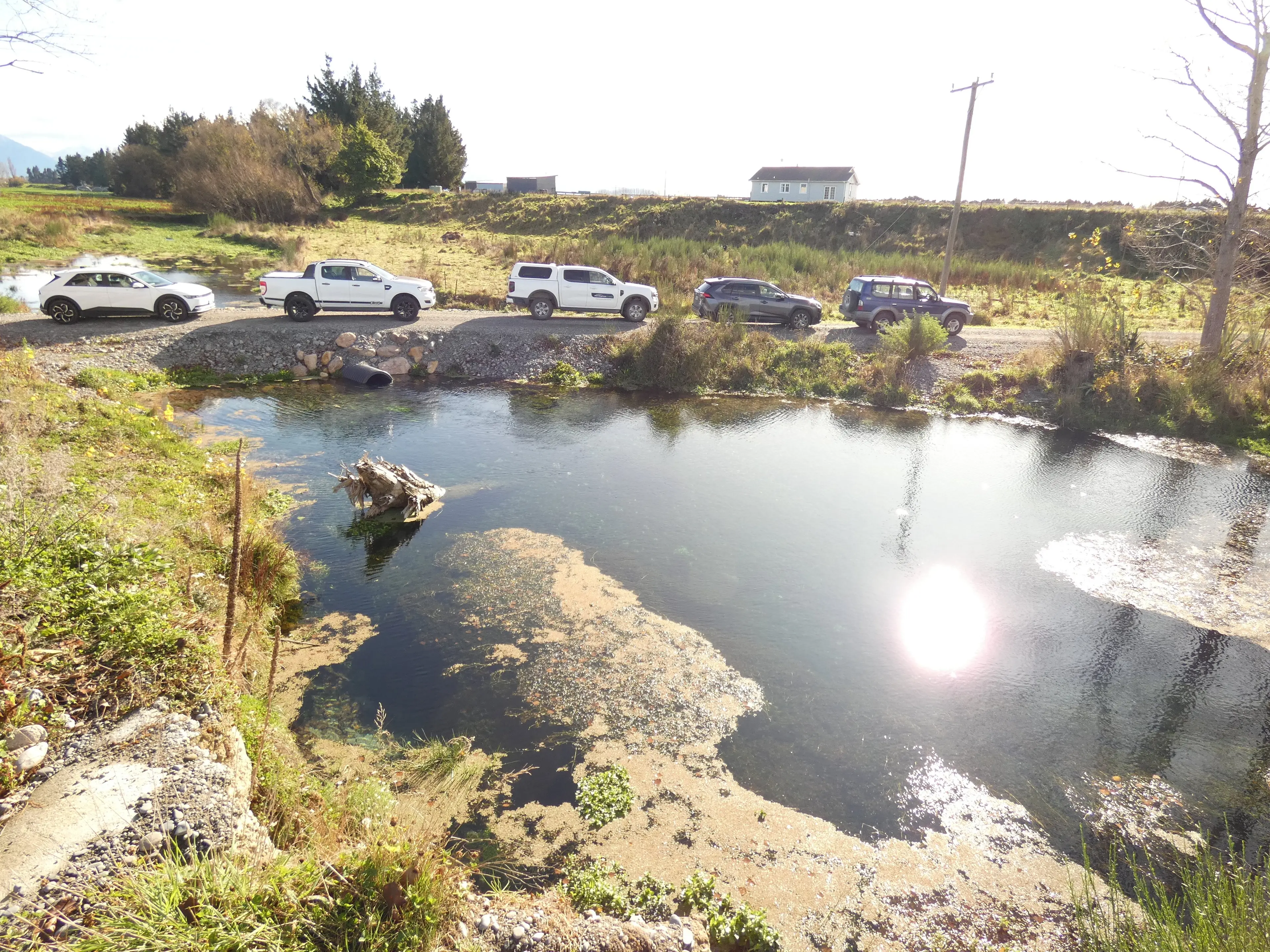
In the deer block now are many water features new to the property.
Fenced-off ponds with the clearest of water are a reminder of deep holes gouged out by the floodwaters.
Few fences were left standing there, with those washed out or swept away needing replacing at considerable expense. The force of the flooding scoured out holes about 2m beyond the posts and more than 1m deep which had to be laboriously filled.
Some of the gates were so folded over they could fit on the deck of a farm vehicle.
Further upriver, bridges and terraces were swept away, with floodwaters 1.5m deep depositing silt and debris up to 2m deep on the topside of tree breaks.
The Buttericks lost few trees, but were forced to scrape away a thick coating of silt low in fertility with pH levels of four to 10. Recovered silt was used to fill big holes or deposited wherever it could be.
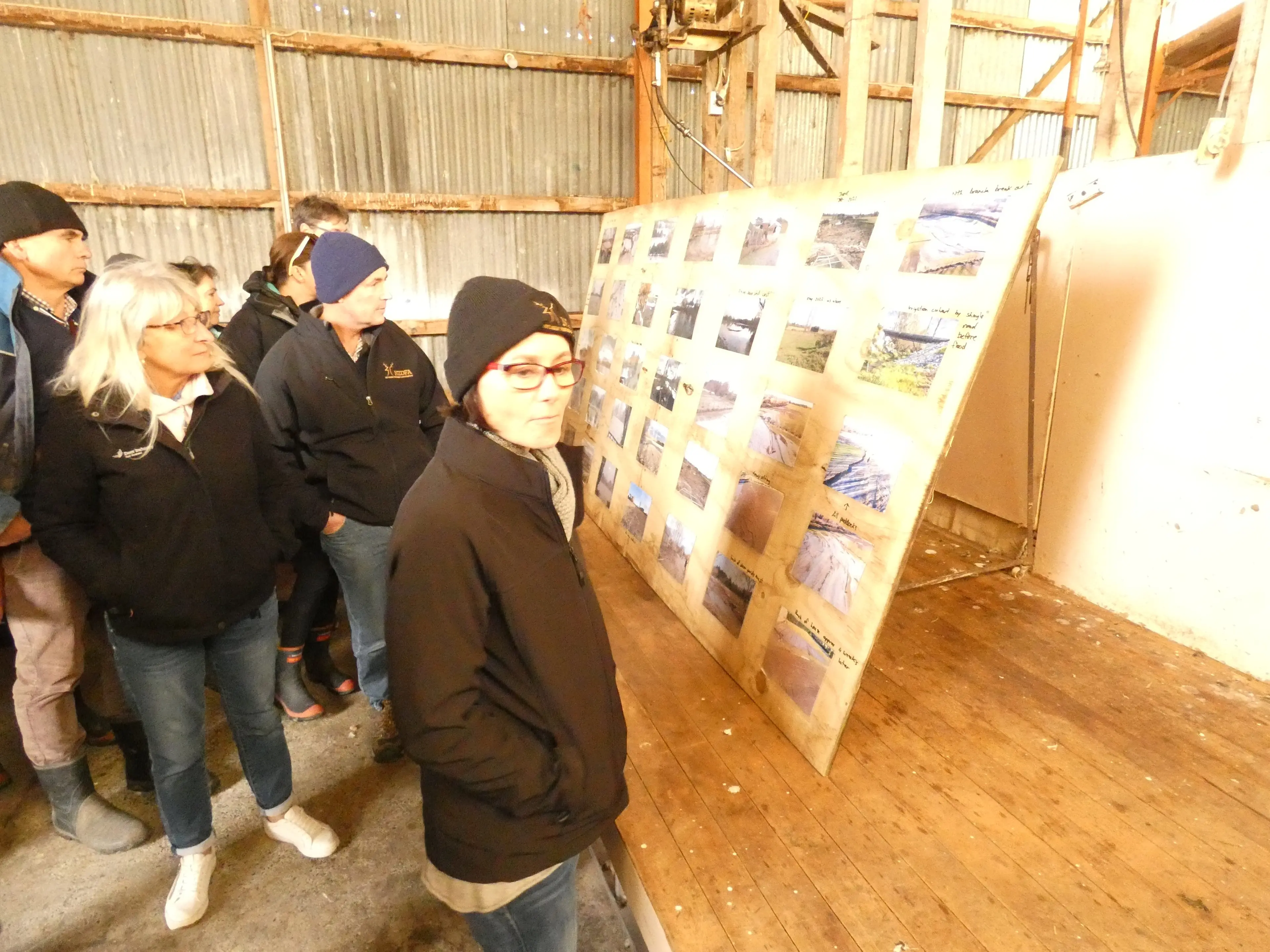
For the most part, their digger driver managed to carefully scrape back down to the dead grass.
"He was bloody good, but it was time-consuming. Some of the deeper silt taken off was knee-deep and some of it ... was ploughed in. Over time it will come right."
A submerged Cambridge roller was not found in a pond until much later, while the digger driver came across a chisel plough weighing 2.5 tonnes which could barely be seen after travelling through two fences and a tree break.
Palm kernel feeders ended up being "canoes on wheels" and never seen again, while three tractors were lost in the district.
They burned through a lot of seed because the silt had blanketed the clover and grass, he says.
Hybrid seed mixes including white clovers were sown once this was cleared, with some drilled and over-sown. There was pressure to get it quickly established with spring just around the corner.
The annual legume vetch thrived, which was fortunate as deer love it, and plantain adapted, but others struggled.
Crops such as rape were planted where new grasses were patchy to build up organic matter.
Another thorny problem was the river weeds quickly warming to their new home. Willow weed, blackberry and hemlock took hold and needed control.
Ministry money was welcomed, but they had to suck up the expense of much of the repair work and financially the "pot’s empty".
Their deer farming operation took a hit, with Covid-19 putting and end to tourism and trophy deer hunting, which was another challenge to overcome.
A delayed velveting of lesser quality followed and the first post-flood season was a "shambles".
Calving dates were spread out and when they got the DNA results back, many of the calves had random stag sires as a result of the hinds’ time on the loose.
Mr Butterick says the insurance assessors were brilliant in the handling of complex claims for written-off hay, straw and sheds, as well as two insured sire stags. All the hay sheds were left with a black residue, which worked its way to the top bales after two weeks, and tube-wrapped silage was spoiled by the silty deposit.
The peeved farmer has fewer kind words for bureaucrats.
Getting rid of the dead heifers and other stock was a priority before they started decomposing. Rather than carting the heifers to the neighbours, he suggested they bury them in a hole at their property. When there were murmurs about too many cattle being buried, he made the judgement call for them.
"If you got bogged down on the bureaucracy side of it nothing would have happened. You would have all these people running around ... making out they were important with shiny suits and Red Bands with their stickers on still.
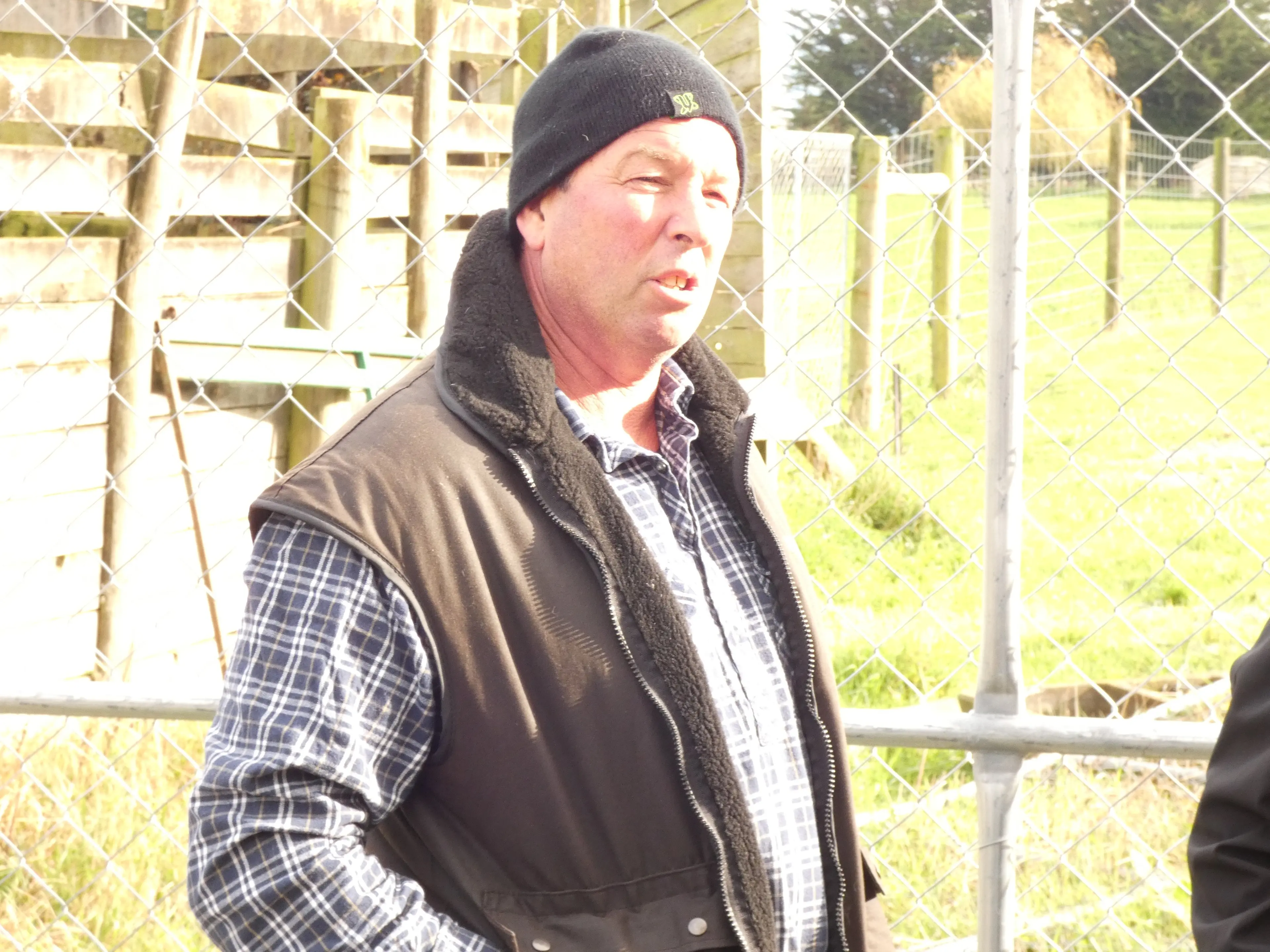
"They would make all the right noises and bugger off and you would never see them again and you’d wasted half your day and tomorrow you’d get another crew."
The lack of river protection work is a sore point. He claims the river had the capacity to retain the floodwaters if built-up shingle had been removed.
Yet little has been done since to remove the shingle surplus despite ongoing complaints, he says.
"It’s something we’ve been telling ECan for years — you need to let these guys take the shingle out and stop making it so difficult for them because the bed of this [North Branch] river here would be [2.5m-3.5m] above the paddock pipes, so the capacity wasn’t there in this stretch particularly and the South Branch has been the same.
"Once we [rescued] those guys out, we could see in the South Branch the tops of the lupins were still sticking out of the water in the middle of the riverbed."
The North Branch breached its banks in two places and the South Branch, which usually only comes out 300mm deep for 50m, spilled on to the Buttericks’ farm.
Mr Butterick feels they were the "sacrificial lamb" for Ashburton missing out further downstream.
Good friend and fellow deer farmer Peter Swann agrees the Buttericks paid the price for floodwaters overflowing on to their farm rather than the town.
"Unfortunately for Darryl, he was the break that gave Ashburton [a chance] as it was going to get flooded.
"There were two fire guys at about 7am that went to have a look ... it was close to breaching the main floodbank. It came up and just stopped and dropped and that’s when it blew out at Darryl’s place.
"If it hadn’t the river would’ve gone through ... the showgrounds and right out past the airport."
Nearly two years later they are still chipping away at rebuilding the farm.
Mr Butterick says they went into survival mode to get through the grind of the repair work.
He says when they finally sat down after a busy first three weeks the enormous size of the task struck them.
"Everything was buggered down here — gone — and you’d come around sometimes and think you’ve got diggers going, guys fencing and all that carry-on and it’s still rooted.
"So you just keep boxing on, that’s all you could do. You didn’t dare pause for too long because it was just an enormous lump of money going out.
"If it was one side of the road and one river it wouldn’t have been too bad, but it wasn’t."