PHOTO
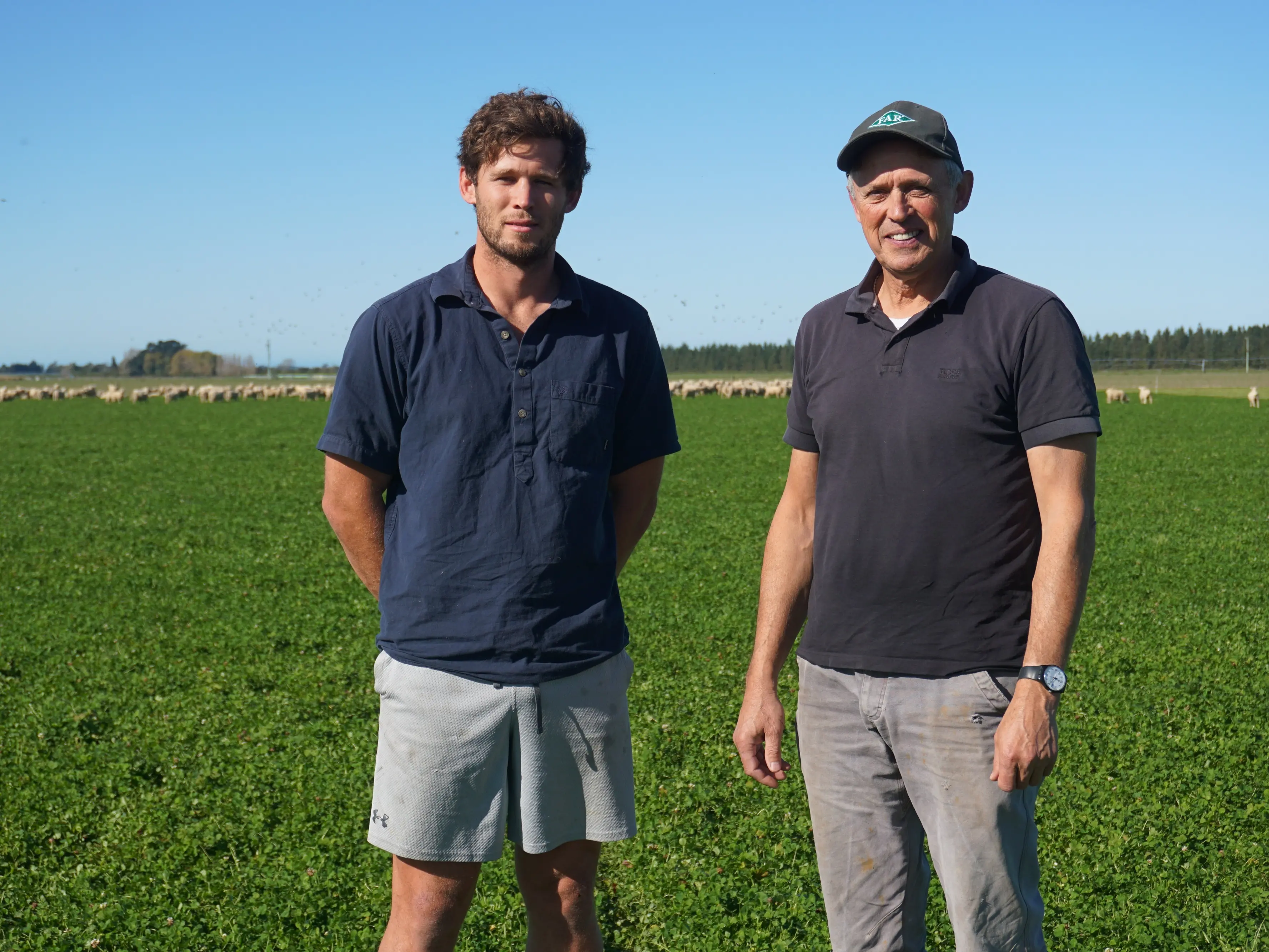
A Mid Canterbury farmer is about to show the close-matching balance between winter grazing livestock and a fully cropped farm in summer.
Getting the best out of a mixed arable and livestock farm system will be the focus of a Mid Canterbury field day on May 18.
The event is the first time the Foundation for Arable Research and Beef + Lamb NZ have combined to hold a joint field day for farmers.
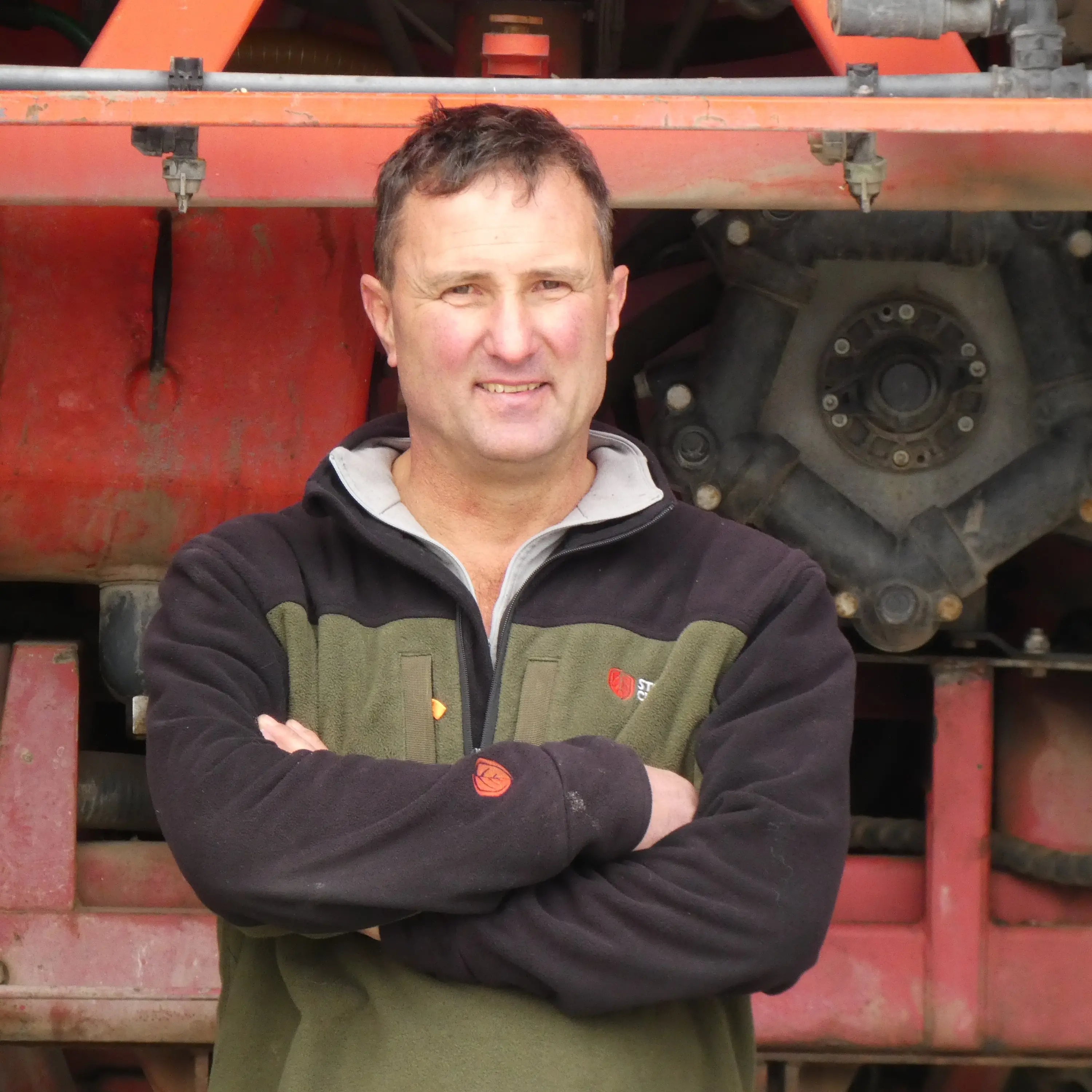
FAR chairman Steven Bierema is hosting the field day at his Mitcham farm near Rakaia, which he runs in partnership with his son Pieter Taco Bierema.
He said the winter grazing of livestock played an important role on his farm which is fully cropped in summer.
In March and April they buy 4000 lambs for finishing as well as winter grazing 400 dairy cows.
The father and son grow ryegrass, clover, pak choi, garden peas, marrowfat peas, maize, barley and milling and feed wheat on the 500ha farm. Land is also leased to others for growing lilies and potatoes.
Lamb finishing is closely linked with ryegrass, with the last of the lambs sold to the meat works in mid-October when the last paddock of ryegrass is closed for seed production.
On arrival, lambs are given a vaccine and, after a feed transition period, are grazed on former clover seed paddocks until the end of May.
Left to regrow after being harvested in February, they produce 3000kg of drymatter per hectare. Then the paddocks are sown in milling wheat, using the extra nitrogen in the soil from nitrogen-fixing clover.
In winter, lambs are grazed on greenfeed oats, which are drilled after either peas or cereal crops.
Dairy cows are winter grazed on kale and some short rotation Italian ryegrass after peas.
"It sounds complicated, but it is not,’’ Mr Bierema said. ‘‘The cropping and the lambs in winter really complement each other. We try to maximise it as much as possible with the farm in full production all year. There is always something growing, either for crop production or livestock."
Arable farmers needed sheep farmers to breed lambs for them to graze, while sheep farmers needed an outlet for store lambs they were unable to finish themselves, he said.
"We need each other. Lambs only work for us if we can crop the whole farm in summer and finish lambs in winter and not have ewes ourselves, especially under irrigation."
This year, the Bieremas’ lambs were mainly sourced from South Otago.
At the field day, the father and son will combine with three or four other Canterbury mixed arable farmers who trade and finish lambs each winter for panel discussions on how livestock are integrated into their system as well as the challenges, risks and opportunities.
FAR senior environment researcher Abie Horrocks is speaking on the benefits of having livestock, while herbage seed researcher Richard Chynoweth will look at the role that livestock can play in growing crops.
North Canterbury vet Sarah Williams will talk about managing animal health and welfare in a mixed cropping system, including drenching and internal parasite management.
Panel ringmaster Tom Fraser will lead discussions on getting the best return from livestock including the timing of buying and selling stock, feeding and growth targets and best feed options.
The field day is at Bierema Farm on Thompsons Track from 1.30pm to 4.30pm.