PHOTO
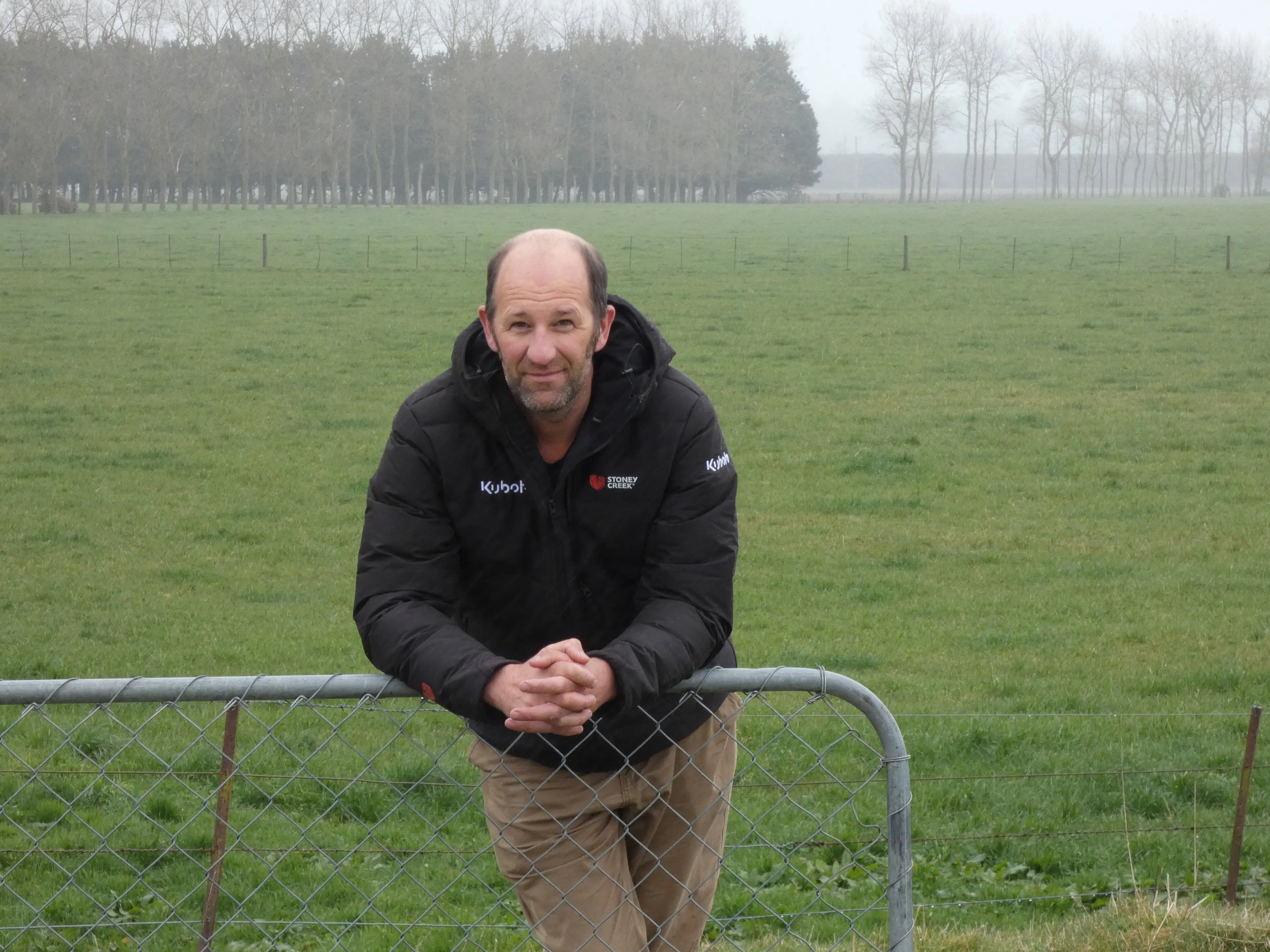
Mid Canterbury deer farmer Duncan Humm is about to put in 37,630 solar panels on his farm to provide enough power for about 4340 households.
The project with new joint venture partner, Lodestone Energy, has been five years in the making with construction set to begin this year.
He has joined Central Otago cherry grower and solar entrepreneur Mike Casey in calling on regulators to smooth the way for selling surplus power to other users and set a fair price for solar exported to the grid.
The National Party has just announced an election promise to make small- and medium-scale solar projects a permitted activity, bypassing the resource consenting system, to get more solar investment on farms.
Mr Humm would like political parties to step this up to another level if they are serious about raising solar adoption.
He said changing the consent process would not have greatly sped up their solar farm development.
"Probably getting grid connection with Transpower was about the biggest bottleneck we had. The resource consent process was quite easy on the whole because we had some good consultants and neighbours who were very encouraging, so that side of it we found quite easy."
Increasing the buy-back rates would be a much greater incentive for more small-scale to industrial-level solar systems, he said.
"The government keep saying we are in an energy crisis so they should be doing everything they can to encourage people to get power into the grid and the network, so better buy-back rates closer to wholesale rates would be fairer and more logical in my opinion."
Energy consumers buy retail power for 25c to 30c a kilowatt hour, plus lines and other charges.
But the buy-back rate for energy generated from solar going into the grid is about 17c/kwh.
"If you were getting the wholesale rate that any of the other big generators get, that would just set fire to the uptake of more solar and more generation and solve this energy crisis we supposedly have."
When completed, the utility-scale solar farm will provide 23 megawatts (MW) at peak power and likely an average of 18MW-20MW.
The way the system operates now, the Humms will have to pay the retail price — at a higher rate than they sell solar energy to the grid — to supply power to their off-site house down the road.
Or they are limited to a separate setup of solar panels on their house.
"There’s not a lot of sense there. For the whole country there would be numerous examples of people who might have a big shed with panels on and multiple sites like wells or houses up the road and it would be good if we could do energy swapping between ICPs [installation control point) more freely or even just peer-to-peer trading of energy."
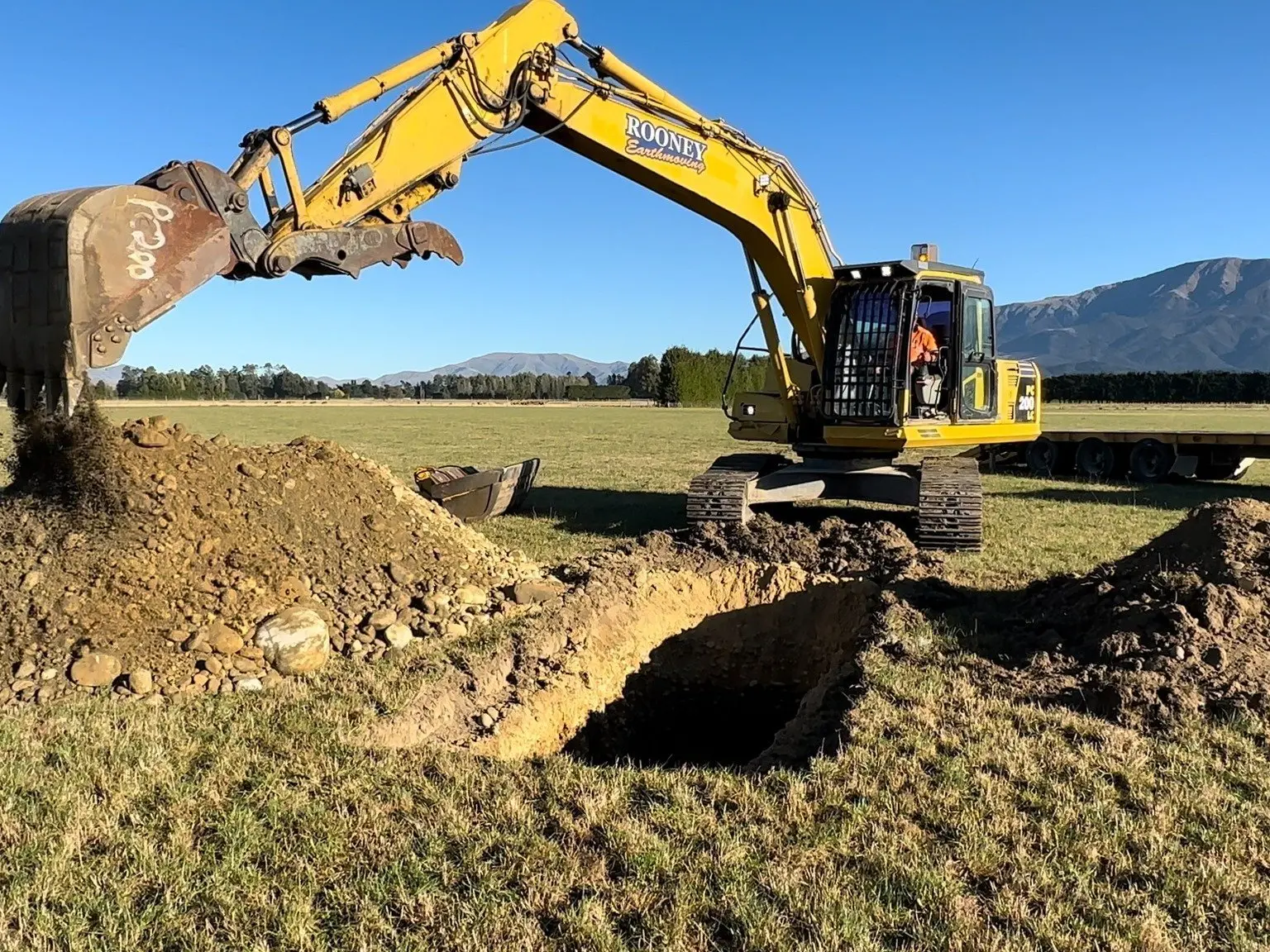
Sharing ICPs would mean he could trade power to farms and friends in the district or provide cheaper power to the local school, he said.
A start date for the solar farm on a 35ha block is pencilled in for this year, once a large piling machine has entered the country, with construction due to take six to eight months.
Mr Humm said the small land-use change on part of their farm would provide another income stream for the family to help fund their succession plans.
A deer herd of 250 hinds and about 100 stags is run on the 150ha leased by him and wife Lorna from a family trust, with another part of the farm leased out for dairy grazing.
"It was all so scary and new when we started this process, and we had confidence when we did it that it was a good idea, but it’s been good with the passage of time to see technology like tracking systems, batteries, hardware and software come on in leaps and bounds."
Their solar farm will have some battery storage to smooth the delivery of power to the grid.
They have moved from another partner in a leasing arrangement to Lodestone, a mainly New Zealand-owned solar provider, to develop a longer relationship.
If re-elected to government in November, National will remove planning rules that make it hard for New Zealanders to generate their own power.
Federated Farmers energy spokesman Mark Hooper said the consenting system was creating needless costs, delays and frustration.
"Solar technology has come a long way, but the planning system simply hasn’t kept up."
On-farm solar had potential to improve the profitability of farms, reduce electricity costs, improve energy security during outages and reduce emissions, he said.
The economics of solar now stacked up for many farming businesses.
National’s proposed Home Energy Fund would also offer low-interest, long-term loans to be repaid through rates.
Mr Humm said he would encourage farmers to put solar on their farms.
"The second best day to do it would be today because energy prices aren’t going to get any cheaper and you are better off securing your energy price now and locking it in for 20 to 30 years."