PHOTO
The Carbon Neutral Dipton project is an aspirational, farmer-driven initiative aiming to balance environmental and economic sustainability through innovative on-farm change, its chairman says.
Greater Dipton Catchment Group chairman Lynden Prebble said about 50 people were at Dipton Golf Club for the launch of the project, which was being funded by Thriving Southland and the Ministry for Primary Industries.
The group were working with five farmers — three sheep and beef and two dairy — each with a buddy group of neighbours, who were brainstorming ways to reduce greenhouse gas emissions on their farms.
During the next few months the farmers will come up with what they want to tackle and how they want to make it happen.
The project was farmer-driven and aspirational in nature, as was the start of the journey towards Dipton becoming carbon neutral, he said.
"This is the first big project we’ve had a crack at as a catchment group. We’ve had a series of other smaller projects, such as field days."
Farmers needed to think of the consumers — it was as much about maintaining their premium place in the market as it was about obtaining a premium in the market, he said.
"We want to be at the forefront, not put our head in the sand, because climate change isn’t going away."
Farm consultant Chris Beatson from AgriMagic gave a presentation on greenhouse gases and possible mitigations, and forestry consultant Don Frengley presented on forestry to capture carbon, and gave a quick overview of the Emissions Trading Scheme.
They were working with the farmers to assess baseline emissions and then modelling and evaluating different ideas, which could include planting trees, retiring or intensifying different areas of properties, or changing livestock numbers or policies.
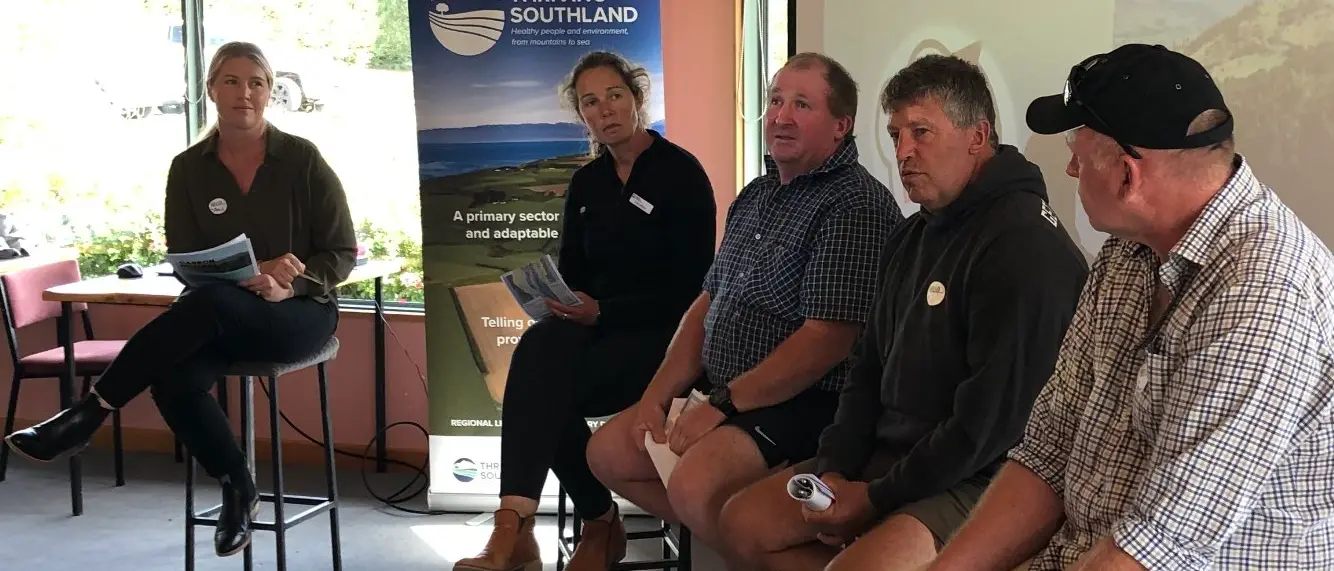
Four of the five farmers in the case study group took part in a panel discussion at the launch including sheep and beef farmer Brian Russell, of Castle Downs .
"I think this whole project is about raising awareness and giving people options," Mr Russell said.
Sheep and beef farmer Chris Stewart, of Dipton, said upskilling in an area where farmers had been talked to a lot, in order to have a conversation around opportunities was important, especially with succession planning going on.
Being open to change was important, and the future was exciting, he said.
Sheep and beef farmer Tony Dunnage, of Dipton West, said with Dipton Stream running through his property, it was important to ensure they knew exactly what impacts their farming operation had on the land.
Dairy farmer Clare Officer, of Kauana, said working alongside buddy groups was fantastic as it helped develop new discussions and ideas.
Project manager Alexis Wadworth said once the reports and reviews were back, information would be shared with the community, which was expected to happen from next month.