PHOTO

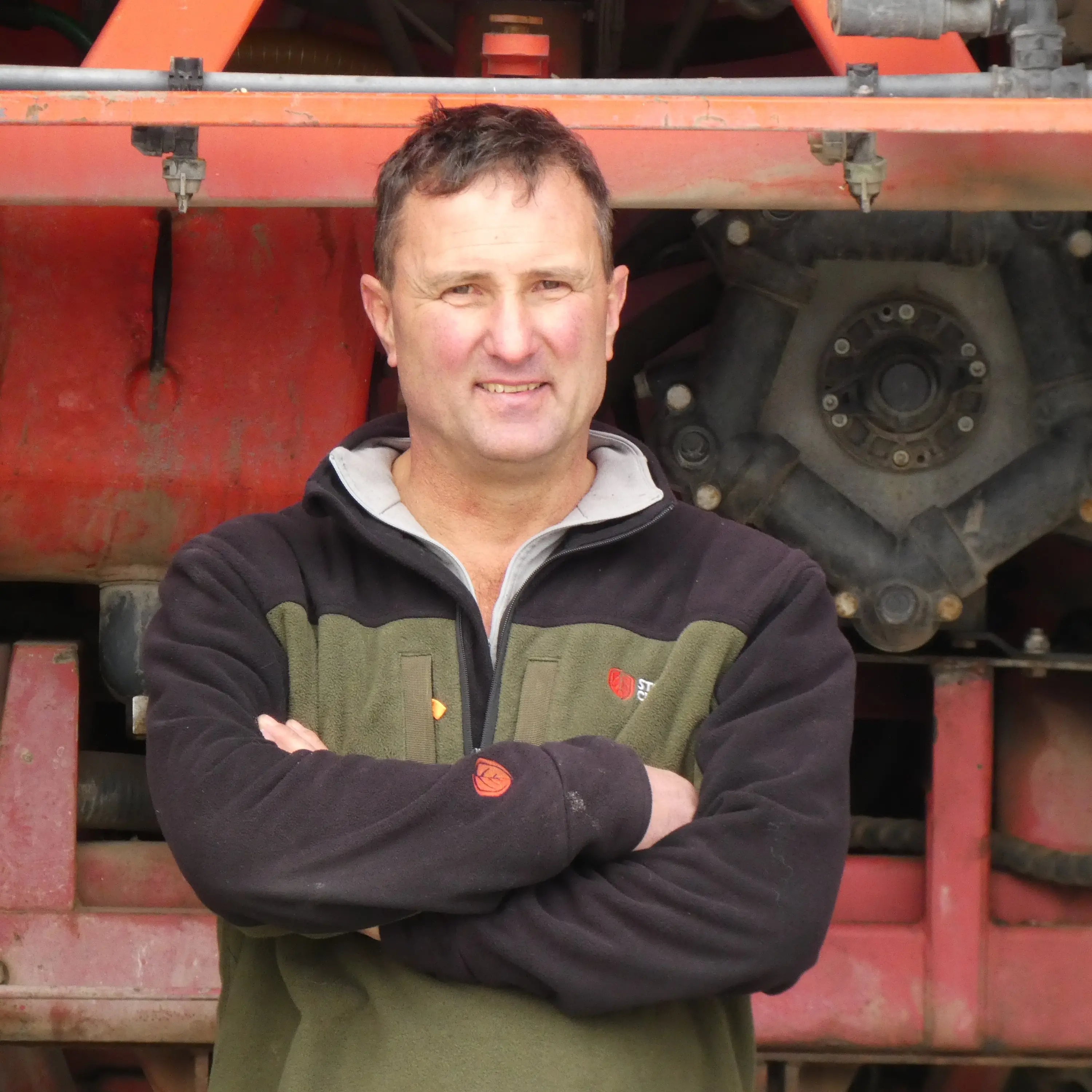
Health and safety is not about putting a high visibility cone at ‘‘every pot hole’’ or ‘‘micro-managing every man and his dog’’, WorkSafe inspector Karl Sankey says.
Mr Sankey said dealing with farms was a rewarding job.
he said making appointments to visit farms was challenging, but there was great job satisfaction when farmers who were initially reluctant to meet with him had their duties under health and safety clarified.
Attitudes to health and safety on the farm had changed dramatically in the past couple years, Mr Sankey said.
‘‘It’s very much at the front of people’s minds and many have adopted a safe farm culture. They are taking measures to minimise risk not because they have to, but because they want to.
‘‘Farmers are great at coming up with effective ways of doing things, and health and safety is no exception.’’
He said it was important to adopt a habit of recording those decisions and conversations.
‘‘Recording the conversation that was had and with whom keeps the business safe if something was to go wrong . . . it just needs to be in a small notebook in the glove box of the truck.’’
It was not about recording every last detail, Mr Sankey said, but rather the big things such as where a major hazard was identified and the key things a farmer had done to minimise it.
‘‘I met with a farmer recently who had just walked in the door after sitting in the passenger’s seat of a bulky truck. It was wet and foggy and the paddock had some steep drop-offs. He knew the driver didn’t know the block very well and decided it was worth spending 10 minutes in the cab doing the outside round with him.’’
Farmers want to know what they have to do to protect themselves and their businesses if something goes wrong.
‘‘In this case, what he did was great health and safety in practice. One recommendation I made to the farmer was to record what he had done in his farm diary or notebook. He had pointed out to the driver the risks in that paddock and by recording this he not only had a memory jogger for future conversations about that paddock, but he also could show what he had told the driver if something did go wrong.’’
Adopting a habit of recording those decisions and conversations ‘‘helps keep the business safe’’, Mr Sankey said.
Once messages like this got through, it was ‘‘a lightbulb moment’’ for the reluctant farmers.
‘‘Their walls come down and for me, that’s where the job satisfaction comes in.’’
-By Alice Scott