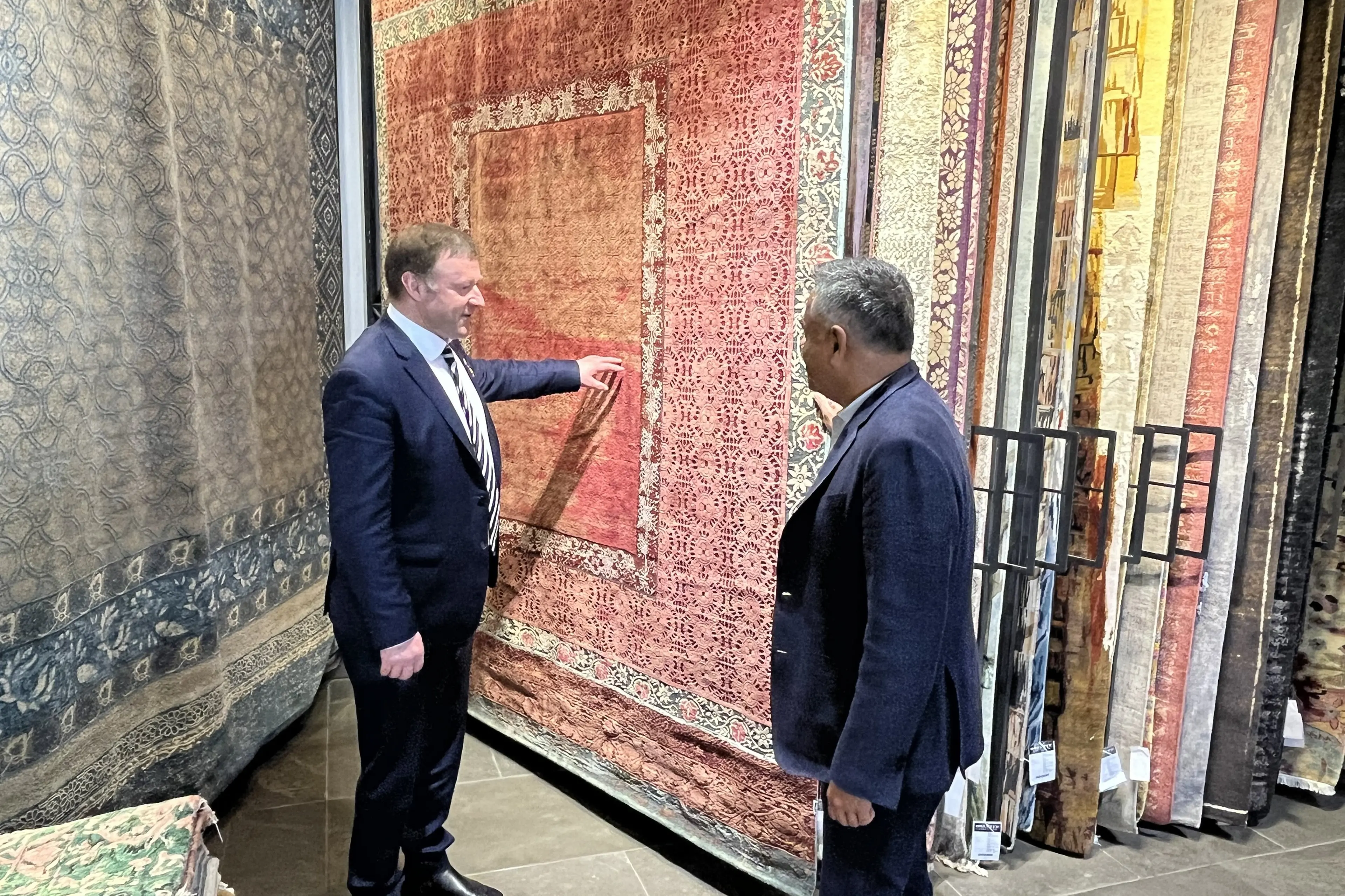
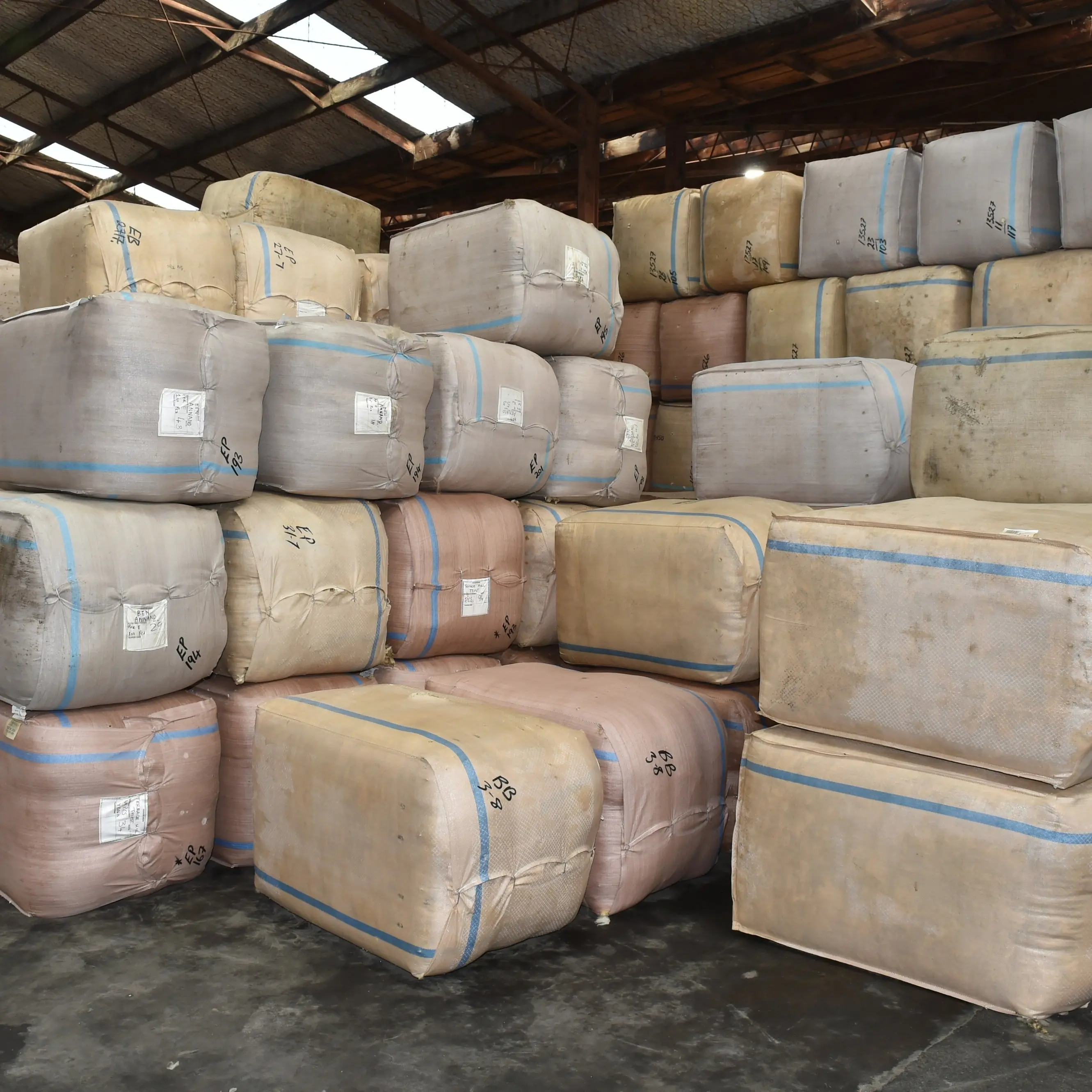
New Zealand strong wool is in hot demand, Associate Agriculture Minister Mark Patterson says, following his recent trip to India. The aim of the visit was to champion New Zealand wool, strengthen relationships and support the New Zealand wool industry delegation at the Bharat Tex textile trade fair in New Delhi for four days ending July 17. The expo featured about 3500 exhibitors, Mr Patterson, a sheep and beef farmer in Lawrence, said. India was New Zealand’s second-largest export market for wool. “There is strong potential for further growth.” Mr Patterson said. The Indian government had an ambition to triple textile exports by 2030. “New Zealand wool growers are well positioned to make the most of this opportunity.” A highlight was seeing New Zealand woollen carpet in their Sansad (parliament) debating chamber. Speaker of the Lok Sabha (lower house) Om Birla told him the carpet was hand-knotted by 900 skilled Indian craftspeople, using 20,000kg of New Zealand premium strong wool. The carpet was a true exemplar what New Zealand farmers and Indian textile manufacturers could achieve when they worked together to produce high quality natural products. “It’s a beautiful carpet, a beautiful design and it’s like walking on clouds — it’s just phenomenal.” All New Zealand sheep farmers should be proud of the carpet, he said. SUPPLIEDAssociate Agriculture Minister Mark Patterson (sixth from left) meets Wool and Woollens Export Promotion Council members at the Bharat Tex textile trade fair in New Delhi, India earlier this month. Photo: Supplied A highlight of the trip was co-chairing a bilateral round table session with his Indian counterpart Minister for State of Textiles Pabitra Margherita. People at the session included Indian Ministry for Textiles officials, Indian carpet and textile manufacturers, a New Zealand delegation of wool exporters and processors, and Ministry for Primary Industries representatives to discuss supply chains, product research and innovation, sustainability and traceability. Mr Margherita committed to bringing an Indian delegation to New Zealand in the next few months, he said. Other trip highlights included meeting Minister of Textiles Giriraj Sing to discuss ways to work better together, getting a tour of carpet manufacturer Obeetee and visiting the International Wool Textile Organisation and Wool Research Association. “My engagements underscored India’s appreciation for our wool, and the value they place on our innovation, supply chain capability and the high quality of our wool.” SUPPLIEDCo-chairing a bilateral round table in India earlier this month are New Zealand Associate Agriculture Minister Mark Patterson (second from left) and Indian Minister for State of Textiles Pabitra Margherita (third from left) in New Delhi. Photo: Supplied PGG Wrightson national wool auction manager Dave Burridge said 62% of the wool clip sold at auction in Christchurch on July 16. The market experienced strong buyer resistance and prices were under significant downward pressure compared to the previous auction, Mr Burridge said. Rather than the expected levelling of prices following the strong gains in May and June, the market fell sharply, he said. Most European mills were closed for the summer holidays and the markets of China and India appeared to be taking a “wait and see” approach before placing new orders, Mr Burridge said. “The speed and volatility of these price movements are creating challenging conditions for wool growers, brokers and exporters.” Mr Patterson said the softer prices at auction were after some “pretty extraordinary lifts”. Manufacturers in India had found it very difficult to absorb the price lifts within their cost structures. “They made it clear that it wasn’t the price that was the problem, it was the fact that it was going up so fast.” The rapid price lift was challenging businesses in India. “They really want New Zealand wool, they recognise it as being the best in the world. “They just need some time to absorb the costs.” He believed there was a good opportunity for New Zealand to move to a more contracted supply basis, as opposed to a brokered option. There was high interest in wool from certified farms so manufacturers in India could prove the wool was sourced ethically and to a high standard of farm management and wool harvesting practices to the assurance and traceability standards across the supply chain. “I think there is genuine ability to buy and sell them more but also add some more value to what they’re doing.” He believed the wool price would rise again. “I think there’s only one way for the wool price to go. It’s going to be up, even after the recent fall.” shawn.mcavinue@alliedmedia.co.nz