PHOTO
More than 100 deer and 500 goats shot in just five days sounds like a major dent in a pest problem.
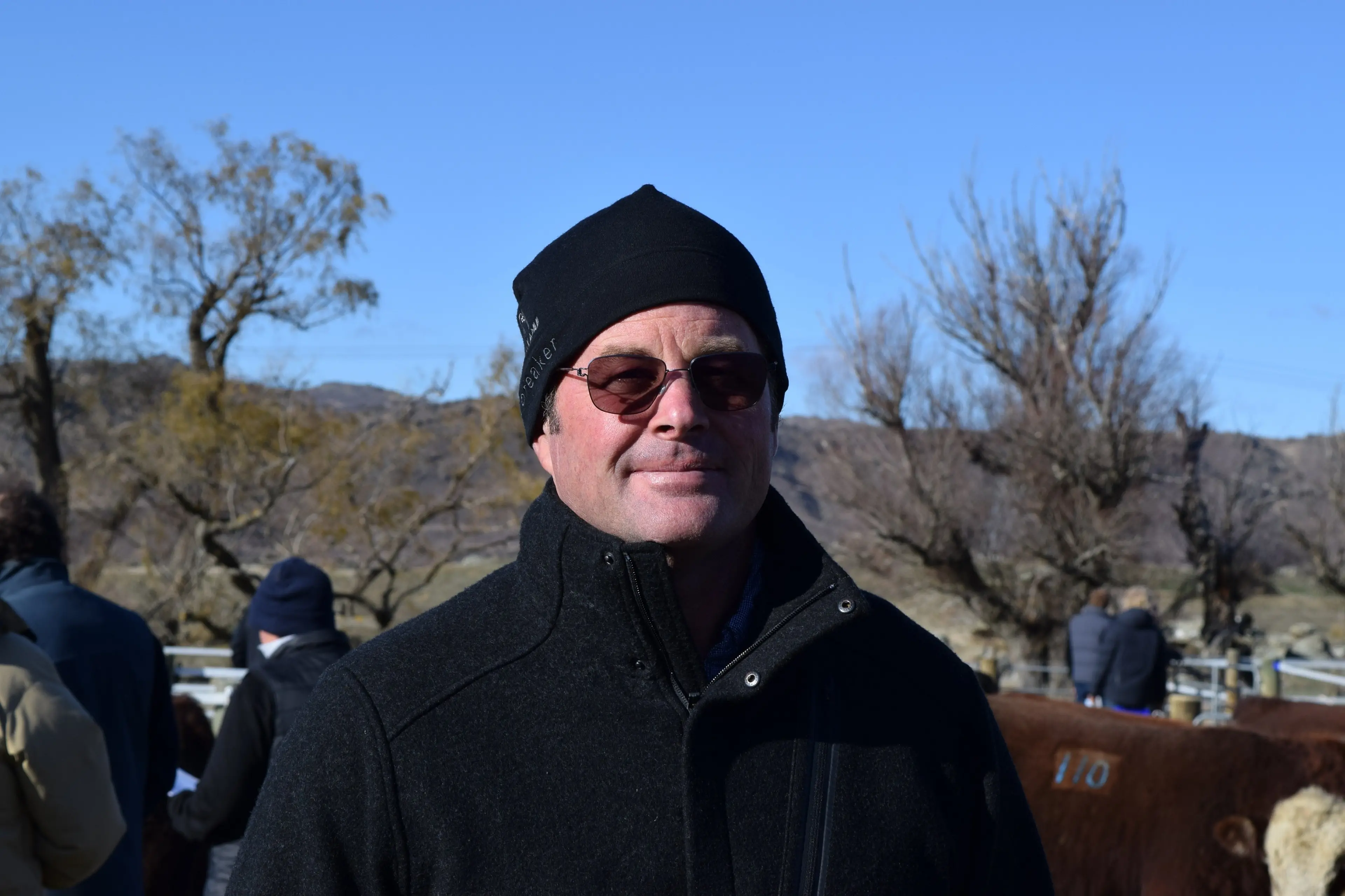
It hardly made a difference, Central Otago farmer Andrew Paterson said.
“Honestly, that’s barely touching the sides.
“The number of feral animals is so much higher than people realise.
“If we don’t get on top of them, they’re just going to explode again and cause even bigger problems.”
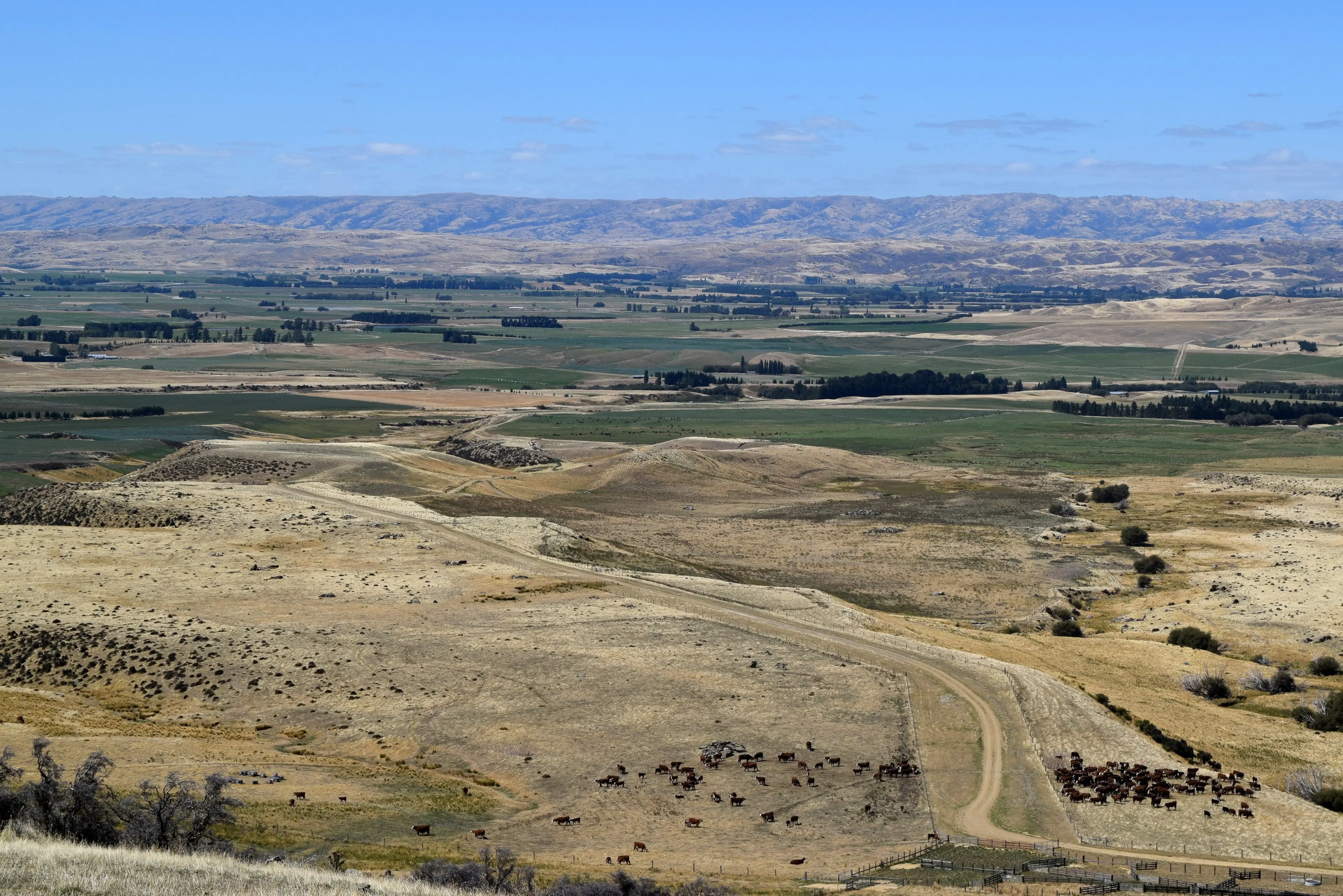
Deer and goats have reached alarming numbers on his family’s Matakanui Station, a 8700ha property climbing to 5000ft on the Dunstan Mountains.
“I estimate they’re consuming feed equivalent to around 3000 stock units on our station alone.”
The scale of the problem has forced him to take matters into his own hands.
“I’m paying a young hunter to come in and do a real session on them.
“He spent five days shooting on the property, taking out more than 100 deer and over 500 goats, but that’s nothing.
“He’s coming back later this month for another 10-day cull with a second shooter.”
Recreational hunters also visited the property regularly, he said.
“We have hunters in here every day of every weekend.
“Some of them take quite reasonable numbers each trip — at least two a person — and we’re still not getting on top of them.
“I don’t see how recreational hunters alone will get on top of it unless there’s a full-blown, concentrated cull.”
Employing skilled hunters had become the most practical option after commercial deer recovery operators concluded the station was not economically viable.
“They’ll take the easy ones, but because they’re mainly fallow deer there’s just not enough meat yield for helicopter recovery to stack up.
“We’d have to pay for the helicopter ourselves.”
Goats were an even bigger issue than deer, he said.
“We’re in the middle of the Dunstan Mountain range where the Central Otago District Council has been battling goats around the Cromwell Gorge.”
Several years ago, a helicopter cull removed 530 goats and 130 deer on Matakanui in a single day, highlighting just how large the populations had already become.
Mr Paterson was not looking to blame anyone.
Favourable breeding conditions, particularly for fallow deer, had simply allowed numbers to build over time, he said.
“I can’t really point the finger at anyone.
“It’s just an issue we’ve got to deal with.”
The biggest challenge is that efforts on one property achieve little if neighbouring landowners are not doing the same.
“I might spend $5000 paying this young fella, or get a helicopter in, but if the neighbours don’t do it, the animals we don’t get are just pushed on to neighbouring farms.
“The more cunning ones simply move around between properties.
“If we only deal with them piecemeal, all we’re doing is shifting them around.”
During dry years the impact became impossible to ignore, he said.
“It’s not until they’re eating your crops, twisting your electric fences and making a mess that they become a real problem.
“Everyone tends to react once they’re short of feed.”
He believed co-ordinated pest management was becoming more important than ever.
Rather than farmers, recreational hunters and government agencies working independently, he wanted co-ordinated local programmes backed by government funding for administration.
Local groups, such as catchment groups could potentially lead pest control if they were properly resourced, although he stressed they should not simply inherit another volunteer responsibility.
“I’d rather see local people coordinating it, but they’d need administration funding to make it work.”
He had concerns about Act New Zealand’s proposal to give the Game Animal Council greater responsibility for managing game animal populations on public conservation land.
He supported recreational and commercial hunters playing an important role but handing greater control to hunting interests risked making the problem worse.
“If we let that conservation area go back to the game council, we’ll end up with even more of a deer problem.
“A surprisingly big proportion of hunters stick to shooting the easy animals.
“They’ll drive up the gully, walk 50m or 100m and shoot a deer.
“The easy deer get taken, but the harder-to-reach animals don’t, and that’s where populations keep building.”
Hunters remained an important part of the solution, but only as part of a co-ordinated programme focused on reducing overall numbers, he said.
“We need recreational hunters and commercial hunters getting into those deer, but the reality is they’re still not taking enough animals to keep numbers under control and that’s the fundamental problem.”