PHOTO
New Zealand is heading into summer under one of the strongest El Niño events in recent history, and seed breeder RAGT https://ragt.nz/ says the decisions farmers make in the next few weeks will shape how their season plays out.
NIWA declared a "very strong" El Niño in July and says the event is already comparable to 1997. It is expected to peak in November or December, pointing to a drier, windier season than usual for the north and east of both islands.
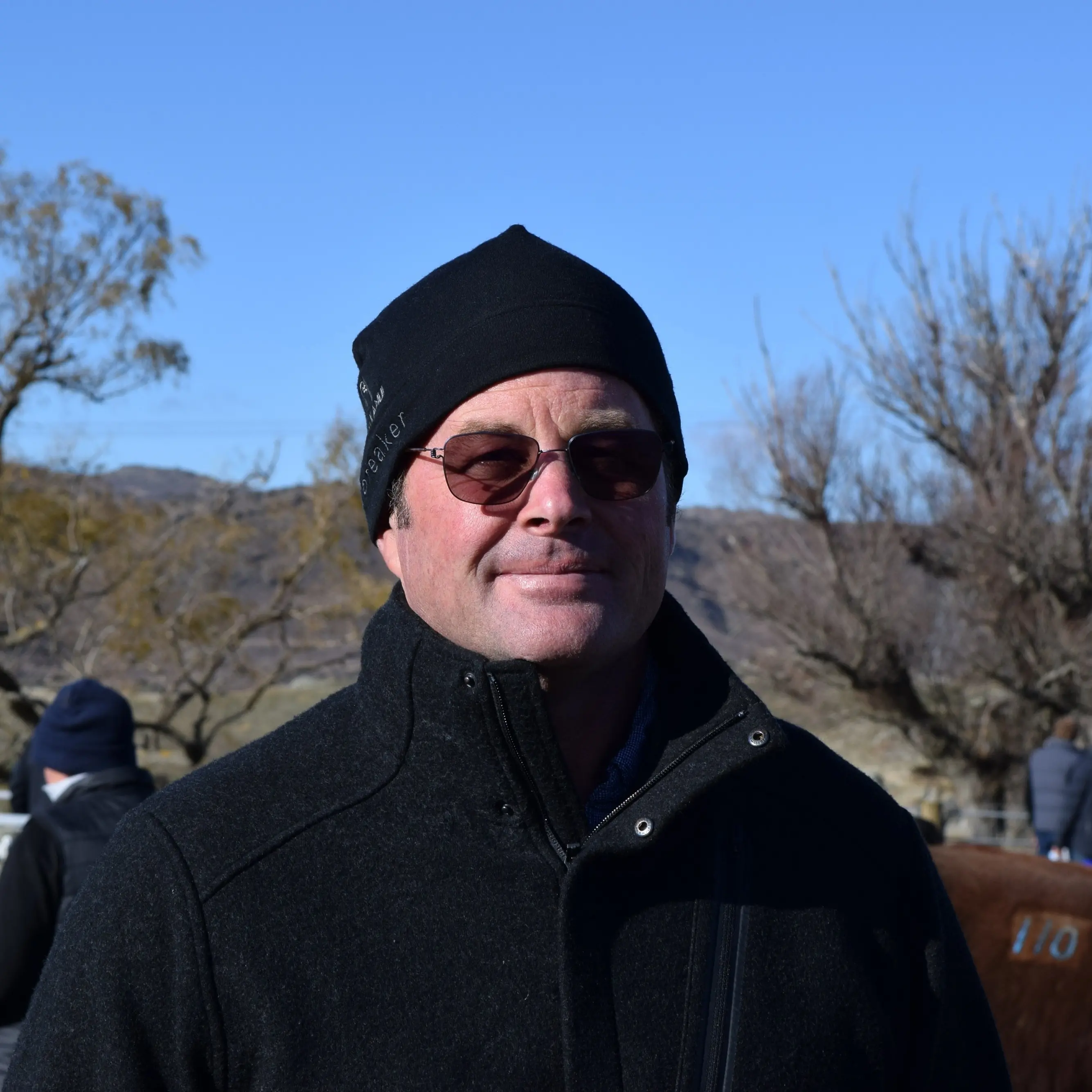
But RAGT Forage Systems Manager Sam Lucas says there's good news hiding in the forecast: right now, most of the country still has plenty of water in the bucket.
"There's a lot of talk about El Niño, and it's good to be cautious, but spring soil moisture across most of the country is really good at the moment," Lucas says.
"That's a real opportunity for farmers. The key is making the most of it."
October is the ideal sowing window for many species, once soils have warmed enough for quick establishment. Lucas says the smartest move is backing dry-tolerant species, and sowing them early enough to grow on the moisture already in the ground.
"Species that handle dry conditions well either have a deep root system to pull moisture from further down the soil profile, or have been proven to perform when it gets dry. Ideally both."
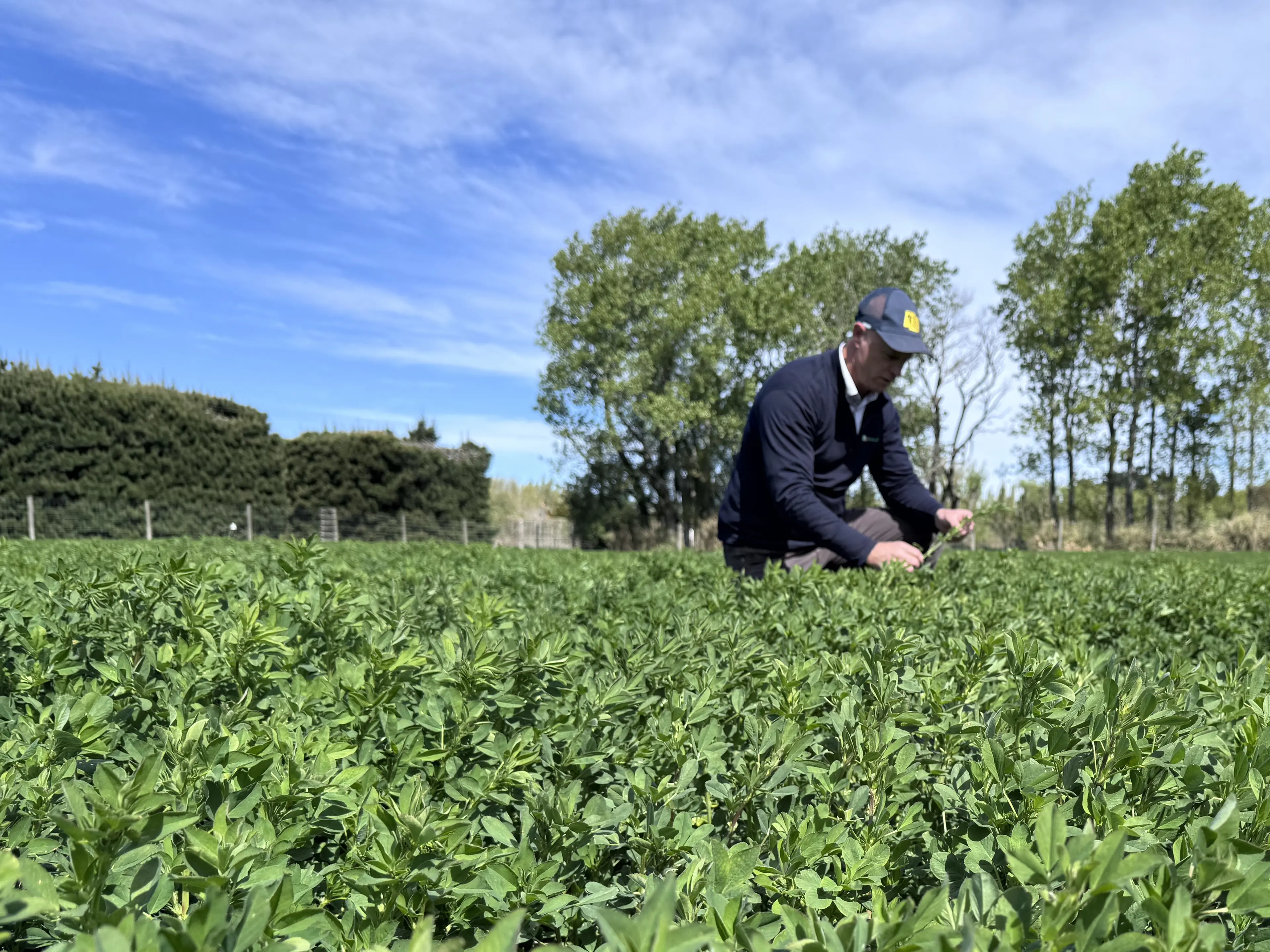
That list includes lucerne, the deepest-rooted of the lot, along with chicory, forage rape and fodder beet, plus tall fescue and cocksfoot on the grass side. RAGT has proven options across a range of species.
"With something like rape, you plant it now and it grows on the moisture that's in the soil today. You're building yield you can then feed out in January and February, when it's dry," Lucas says.
"Fodder beet's the exception, we typically push that right through into winter, but it can be fed earlier if required, the others are all about growing on spring moisture for summer feed."
Getting the right species in the ground is only half the job. The other half, Lucas says, is good crop husbandry, and above all, timing.
"The classic mistake is late decision-making. If you're drilling later into spring or early summer, you've missed that early moisture. You want these plants established well, with their roots down nice and deep before it turns dry. Plant them late and you've got a young plant heading into the dry, and it will suffer."
He knows how easily the calendar slips at this time of year. "You've got calving, lambing, mating and a hundred other things going on at once. If you don't have a plan with dates on it, it's easy to end up three or four weeks late. And those three or four weeks can cost you big time."
With no one able to predict exactly how hard the dry will bite, Lucas sees dry-tolerant species as insurance, and the kind that pays out whatever the weather does.
"If you budget on summer being hot and dry, you're rarely far off the mark. El Niño just puts more emphasis on it," he says.
"We've had some reasonably kind summers in traditionally dry regions, so some of those really good habits, like picking the right species and getting in early, have probably slipped a bit. This isn't about doing anything different. It's about doing it really well."
And if the rain does come, there's no downside. "All of these species grow even more productively when they get water. So if conditions turn out better than predicted, the only consequence is more home-grown, high-quality, high-protein feed. That means more milk in the vat or more meat out the gate."
One practice Lucas wants to see make a comeback is adding a few kilograms of cocksfoot to ryegrass pastures, a longer-term move that builds resilience into paddocks for the summers ahead.
"Ryegrass is shallow-rooted, so it isn't built for the dry. It stops growing when it gets too hot or too dry. Cocksfoot keeps going through the heat and the dry far more reliably."
Cocksfoot has long carried a reputation for lower feed quality than ryegrass, but Lucas says modern cultivars have changed that.
Resilience has long been a strength of the RAGT range, backed by the global RAGT group's century of plant breeding.
"RAGT has always had a strong reputation for resilient pasture species," Lucas says. "We've got the largest lucerne portfolio in New Zealand, a phenomenal fescue with RGT Nouga, and the latest-generation cocksfoot to market in RGT Tenderly. In each of these categories, we're leaders, whether that's through the latest genetics or proven resilience."
The advice applies right across the board, from sheep and beef to mixed, arable and dairy operations.
"On a sheep and beef farm in particular, it's quite likely you'd have most of these species in the ground," Lucas says.
With the sowing window open now, farmers should talk to their seed retailer or local RAGT Field Solutions Specialist about the right crops and timing for their farm.
RAGT New Zealand is part of the global RAGT family – one of the world's leading seed groups. Founded by farmers, for farmers, RAGT has a passion for agriculture just like you do. Visit www.ragt-seeds.com/nz/.