
PHOTO
The Local Government Commission has agreed to further examine whether Southland could benefit from a local council merger.
In 2024, Southland's mayor called for the region's four existing councils to merge into two unitary authorities and asked the commission to investigate.
The government has since told councils they have three months to come up with plans to amalgamate or it will be done for them.
The commission has been consulting local officials and ratepayers as part of the investigation's first phase.
Its initial findings identified concerns that the current council model was prone to duplication and confusion, along with affordability pressures and a desire to have strong local representation.
One online survey respondent said the region could benefit from a more simple council structure.
"There is clear duplication between regional and district councils, which creates inefficiencies and confusion around responsibilities. This can slow decision-making and make processes more complex than necessary," they said.
Another person suggested that four councils covering Southland's population was "inefficient, costly and over the top".
Feedback from Ngāi Tahu ki Murihiku raised concerns about weak inter-council collaboration being a barrier to effective decisions and partnership.
Ratepayers also raised concerns about infrastructure planning. Some people felt they had not received the same levels of service as others in the region.
The commission said the findings warranted a more in-depth investigation this year and its role and responsibilities had not changed as a result of the government's merger announcement.
"With that in mind, our focus remains on progressing the current investigation in line with the established investigation process, while remaining aware of wider developments and any implications they may have over time," the commission said.
Invercargill backs 'One Southland' model
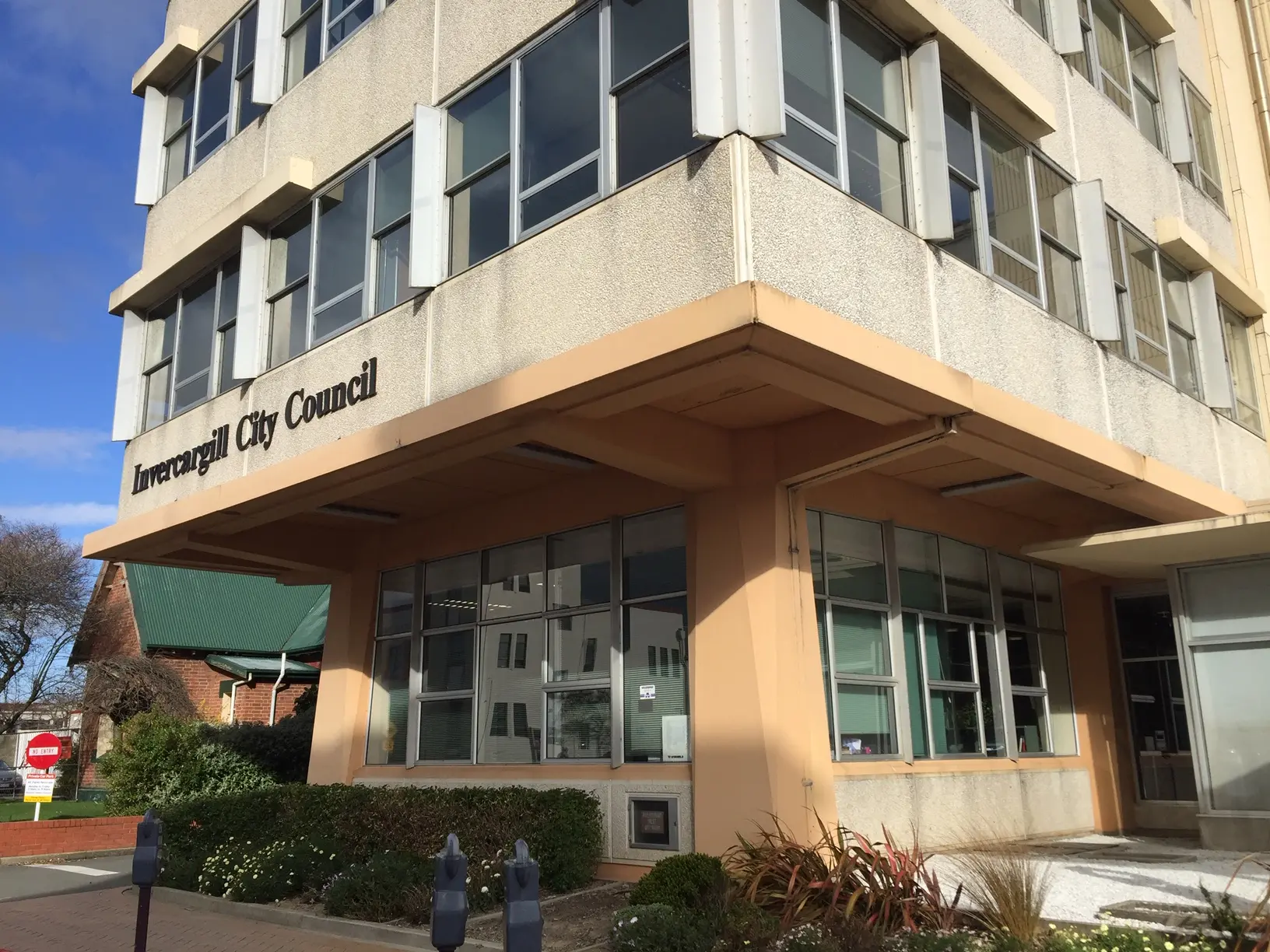
Invercargill City Council is advocating for a single council to govern Southland.
Mayor Tom Campbell said councillors supported a 'One Southland' governance model because it offered the greatest opportunity to foster a more efficient and sustainable region.
"As seen in the Local Government Commission's phase one outcomes, ratepayers expect councils to look seriously at opportunities to reduce duplication and deliver services more efficiently," he said.
"A unified council gives us the opportunity to streamline services, reduce overlap and focus more resource where they are needed most."
The council backed the commission's investigation and planned to work on an amalgamation plan with neighbouring councils, Campbell said.
"Southland has operated as a distinct geographic and economic region for more than 160 years, with communities already working together across emergency management, economic development, waste services, sport, and the arts," he said.
"This is ultimately about setting Southland up for the next 50 years, not protecting structures from the last 50. We have an opportunity to build a governance model that is modern, efficient and genuinely designed around the needs of Southlanders. I believe this approach offers the greatest long-term benefit for our communities and for Southland as a whole."
Campbell suggested a ward structure could help to provide a balance between urban and rural representation.
"There are still many questions to answer and decisions to make but it is better for Southland to shape its own future through locally-led decision-making so we can develop a model that reflects the unique needs of our region," he said.
Southland's regional council hopes public has its say
Environment Southland chair Jeremy McPhail said Southland was facing two paths for local government change.
"Our responsibility is to ensure that essential functions such as flood risk mitigation, climate and hazard planning, and biosecurity are delivered effectively and at the right scale. These challenges don't stop at district boundaries, and they are best managed at a regional or catchment level," he said.
"If Southland chooses to go with a unitary model for the future, we think one unitary council for the region, as a whole, would be the most effective and cost-efficient."
He hoped more people would have their say in the future of the region.
"While the government's Head Start Pathway doesn't allow much time for public input, it's not to say this couldn't occur even after the councils have put forward an outline proposal for reorganisation," he said.
