
PHOTO
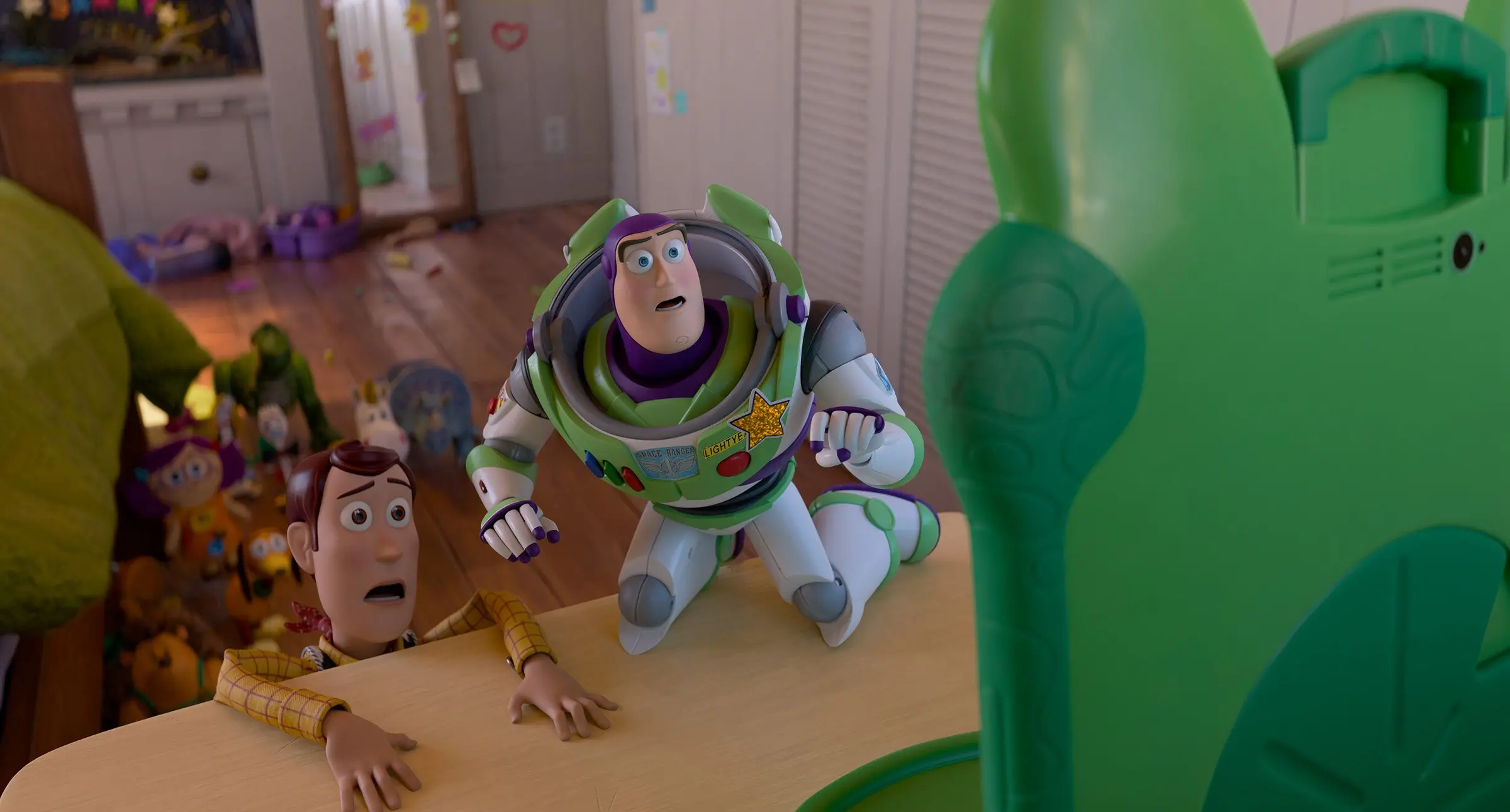
When I reviewed Pixar’s zany comedy Hoppers back in April, I expressed dismay that the former zenith of Western animation was losing its lustre by prioritising projects conceptually designed to be reliable money-makers, such as their latest film/latest sequel, Toy Story 5. But while I’d assert that my point still stands, I was really not expecting to enjoy Toy Story 5 as much as I did.
While it veers particularly close into reiterating thematic material that Toy Story 2 already explored, this fifth entry’s exploration of the tech-mediated socialisation that characterises the zeitgeist of Gen Alpha will leave some tangible pangs within the hearts of the parents/adults in the audience. Perhaps even more so than anything that the studio has been able to pull off in recent memory.
Two years after the events of Toy Story 4, which ended on Woody (Tom Hanks) leaving the gang to explore new horizons, the rest of the toys — including Jessie (Joan Cusack), who has now stepped up into de facto lead character status — have been making the most out of their playtime with their owner, shy 8-year-old Bonnie (Scarlett Spears). But while Bonnie’s vivid and eccentric imagination makes for exciting play, the poor kid just can’t seem to make a single real friend.
Noticing an increasing number of children communicating via devices, her parents give her a Lilypad tablet (Greta Lee), in hopes of helping her form connections with her peers. But Bonnie instead becomes increasingly addicted to the screen, only feeling further socially ostracised compared to the rest of her screen-savvy peers, and the toys risk abandonment. Facing the same problem of tech-dominance out in the wider world, Woody returns to help his friends, as the gang attempt to regain Bonnie’s attention before the intoxicating digital realm completely takes over her life.
Although the plucky cast of Toy Story 5 is rightfully mortified by the way that devices have malformed children’s development, and completely warped the semantics behind the term "play", the film is thankfully far from a self-righteous harbinger of death for childhood innocence. Advocating for tech as a tool for forming connections, rather than a substitute for childhood development or creative expression, Toy Story 5’s portrayal of the worrying techno-centric social hierarchy that Gen Alpha unconsciously scrolled their way into is earnest and effective (even if its portrayal of cyberbullying feels a tad outdated, in a corny educational video kind of way).
But while this compelling "toys v tech" premise is cleverly executed, there’s a little fluff poking out from Toy Story 5’s seams. For Jessie’s character arc, director Stanton heavily borrows from the second film (which focused on portraying what a post-kid life might look like for a toy), resulting in similarly derivative ends. Meanwhile, one head-scratching subplot about a rogue platoon of malfunctioning Buzz Lightyear (Tim Allen) toys could’ve been excised from the final cut entirely.
But ultimately, I’m not pulling your strings when I say that Toy Story 5 more than lives up to the franchise’s impossibly gold standard of never having a bad movie to its name, even if it doesn’t quite go to infinity or beyond.
By Thomas Green