
PHOTO
Wednesday, 29 July is Te Rā o Tumeke Tumuaki, a day on which we can celebrate and show our appreciation for all our incredible principals.
As the backbone of our school communities, our tumuaki deserve a massive acknowledgement. Their leadership is more critical than ever as the sector navigates rapid curriculum changes and the removal of Te Tiriti o Waitangi obligations for school boards – changes introduced without genuine consultation with educators or Māori. This year’s theme, chosen by our tumuaki, is the whakataukī: He waka eke noa (We are all in this together). It’s a powerful call for unity, collective responsibility, and mutual support through unprecedented sector shifts. Let’s make sure our tumuaki know they are respected leaders, valued NZEI Te Riu Roa members, and key contributors to our collective mahi. It is time to get ready to celebrate the resilience of our school leaders!
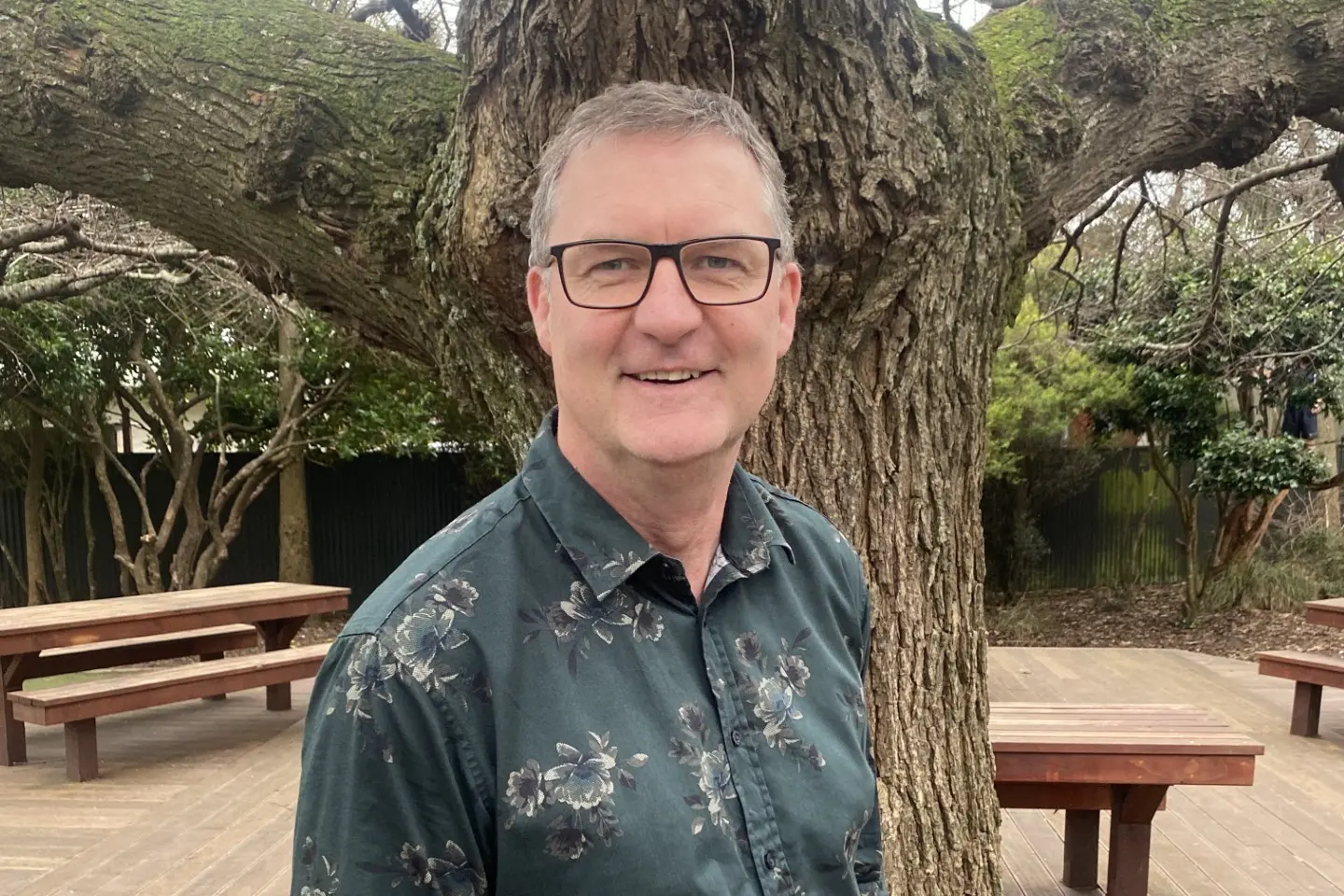
Behind the Principal’s desk at Elmgrove School
Variation is the keyword for the Principal of Elmgrove School in Mosgiel. Chris McKinlay says that on any day he may be navigating Ministry requirements, managing building projects, reprogramming heat pumps, and attending to overflowing drains. But the heart of his day remains the school’s students.
‘‘Whether it is hearing their stories, sharing a maths problem, discussing behaviour expectations, or giving a pep talk to a group or the whole school, those interactions are what make this job so rewarding. It aligns completely with our school motto: Poipoia te kākano, kia puawai, which means ‘Nurture the seed and it will blossom’.’’
Elmgrove’s approach is guided by the school’s amazing teaching and support staff, and their firm belief that strong relationships are the foundation of students’ learning achievement. Their collaborative teaching spaces build fantastic consistency across programmes, and allow staff to learn from one another. The school also benefits from the strong support of the local community.
There is a dedicated fundraising team who work on generating extra funds for special projects that the standard budget cannot cover.
‘‘Over the last couple of years, they have funded our all-weather turf, a GaGa ball pit, outdoor drinking fountains, and replacement playground slides,’’ Chris details.
‘‘This directly supports our school's commitment to keeping our students active outdoors.’’
A recent sabbatical has created a momentum shift in his principalship. With study that focused on the leader’s role in ensuring quality mathematical practice, he visited 16 schools to explore their approaches.
‘‘The experience was deeply affirming of our current work at Elmgrove, while sparking a wealth of fresh ideas for our maths direction,’’ he relates.
‘‘Principals often feel they cannot step away, but I would urge anyone eligible to take a sabbatical.’’
While such experiences are invaluable, it is the kids that keep this principal passionate about the job.
‘‘School life is never predictable, and primary schools are dynamic, vibrant, and sometimes utterly bizarre places to work,’’ Chris says.
‘‘While daily interactions with parents and the wider community keep the role multifaceted, seeing our students flourish, laugh, and grow amidst the whirlwind makes every single moment worth it.’’
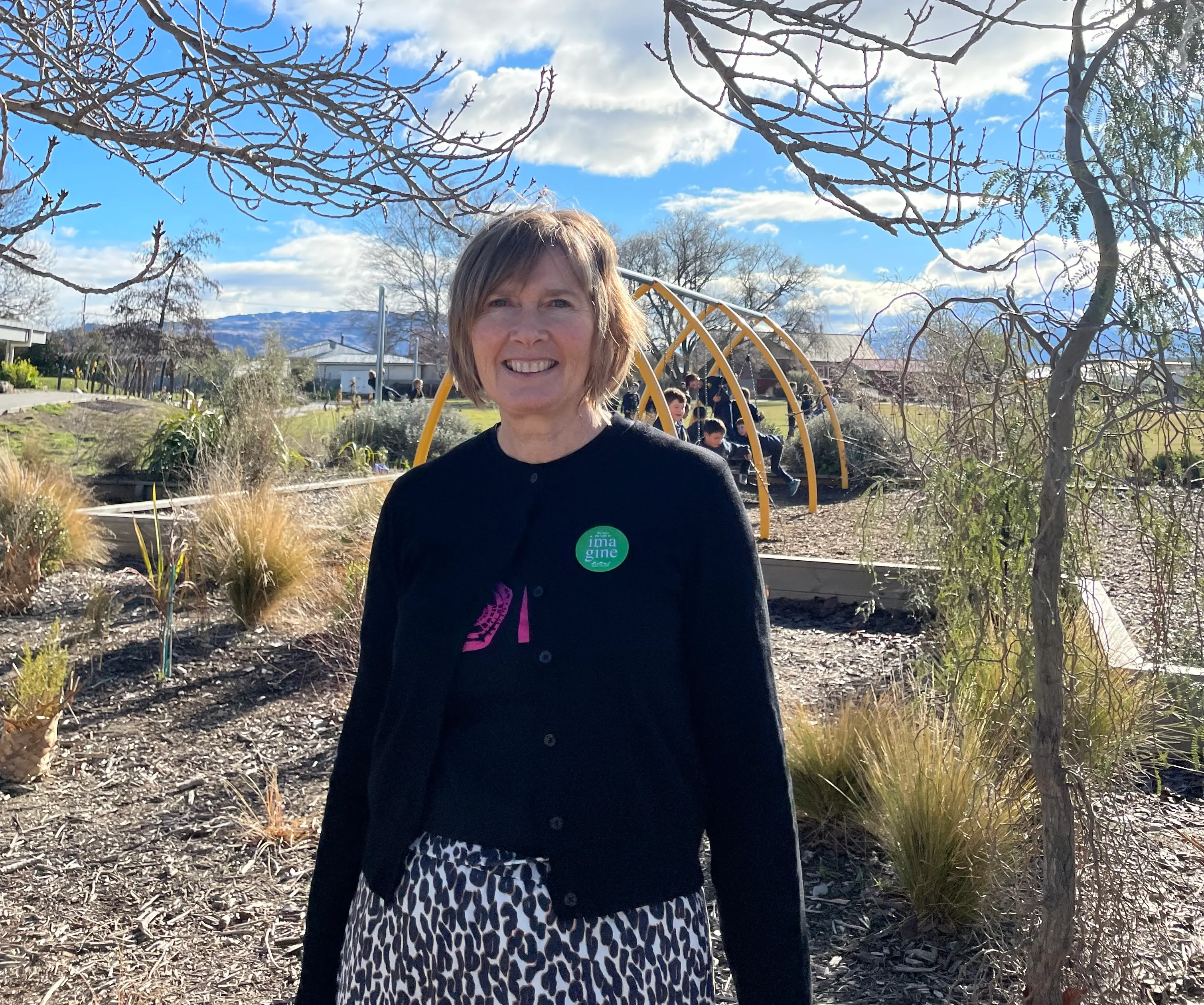
Fi Mackley, Principal of Alexandra Primary School
‘‘Matariki is the perfect time to reflect on my journey as a tumuaki. I’ve been the tumuaki/principal at Alexandra Primary School since 2020.
I was in an acting principal role then and it was certainly an interesting year to start, given that COVID-19 and the associated lockdowns happened. A lovely outcome that occurred following the initial lockdown was that our school’s mara kai/vegetable garden was ready for harvesting. We used the lettuce and tomatoes to make burgers for lunch for our ākonga. We then decided to feed our school for free every Friday - we called it ‘Feed Our Whānau’. The initiative carried on for over two years, because of some amazing parents who came onboard.
I have always been passionate about our local curriculum. It has sometimes been challenging for our school to give this the importance it deserves, as the most recently refreshed curriculum has removed the local curriculum as an integral component, however, kaiako are still able to contextualise the national curriculum to include aspects of our unique rohe. We are also very proud of the beautiful learning environment we have created at our kura.
Our whare named Hinerakimārie has become the heart of our kura - a place to gather, share and celebrate our ako. In our natural environment you will see many native plants, especially Sophora Microphylla, a kōwhai species that once flourished in Central Otago. I think my favourite part of being a tumuaki is the genuine whanaungatanga that is evident between our kura and its community. Our kaimahi, ākonga, whānau and wider school community all contribute towards the special wairua of our kura.
We are excited about the future of Alexandra Primary School.’’
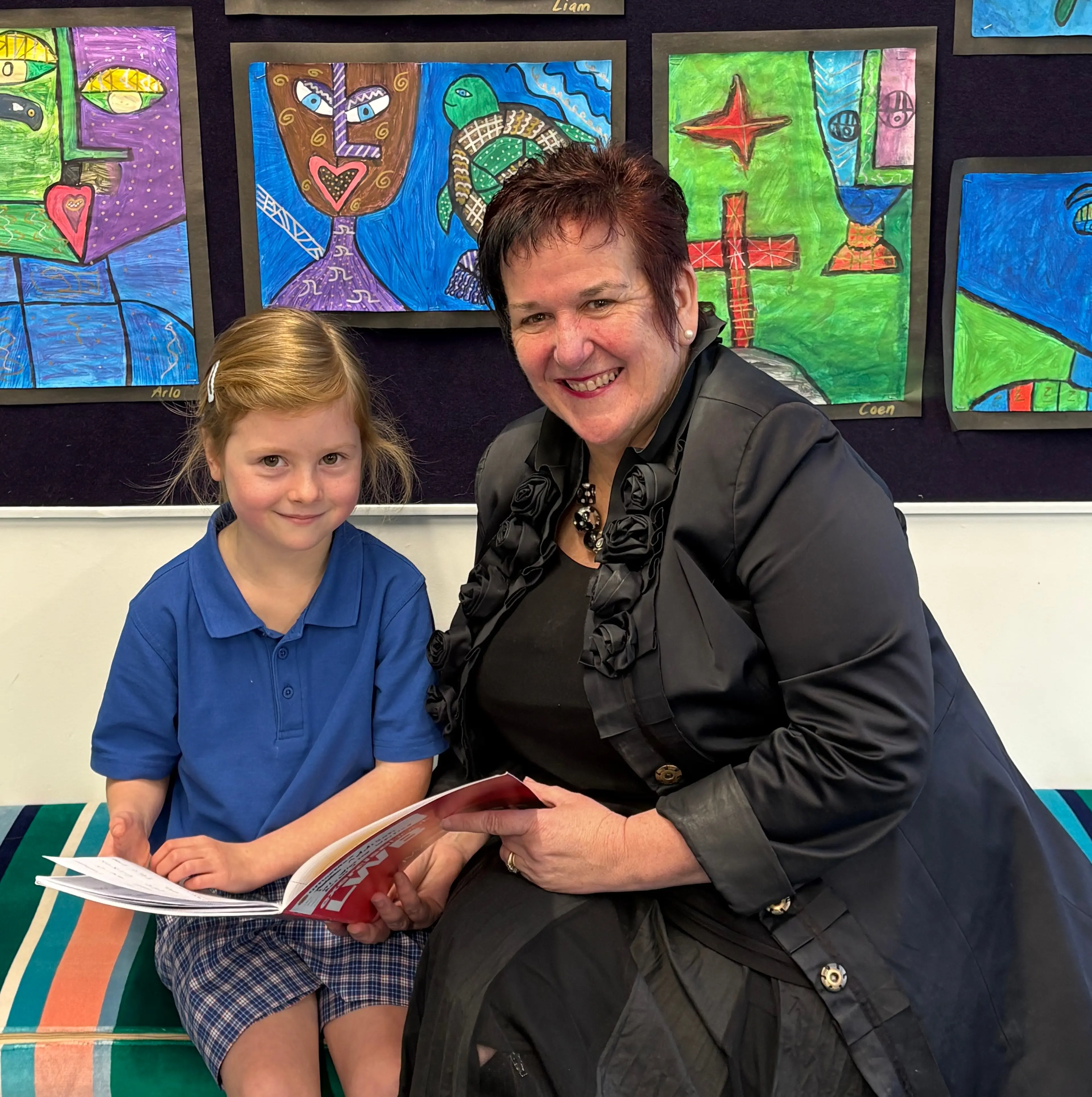
Stephanie Madden, Abbotsford School
“Without question it's the people,” Abbotsford School principal Stephanie Madden replies when asked what the best part of the job is.
“Spending time with the children definitely keeps you grounded.”
As schools across New Zealand recognise Te Rā o Tumeke Tumuaki Principals' Day, Stephanie reflects on a role that is equal parts leadership, problem-solving, and pastoral care – much of it unseen by the wider community.
The role's greatest rewards come from watching children grow. She sees nervous five-year-olds arrive at school, only to leave years later as confident young people ready for high school.
“Watching a child discover a passion or overcome a challenge or achieve something that they thought was impossible never gets old,” she says.
Those are the moments that sustain principals through the inevitable challenges of the job. Because there is no such thing as a typical day in this role.
“I can start the day with the best-laid plans but by about 10 o'clock they've absolutely flown out the window,” Stephanie says. A child may need support, a family may require assistance, or an unexpected issue may arise.
The unpredictability is constant, but it is also one of the aspects of the profession she enjoys most. Behind the scenes, principalship requires a constant stream of decisions to be made, balancing the needs of students, supporting staff, working alongside families, managing budgets, overseeing health and safety requirements, and maintaining school property.
“There is a whole lot of work that happens behind closed doors,” Stephanie says.
Then there is the emotional side of the role. Principals often help families navigate illness, grief, separation, and hardship, providing support and guidance during some of life's most difficult moments. One of the biggest challenges facing schools today is ensuring every child receives the support they need despite limited resources. Schools are seeing increasing numbers of students with complex learning, behavioural, and wellbeing needs, while funding hasn’t kept pace.
“I'd really love to see greater investment in learning support so that every child got the help they need when they needed it,” Stephanie says.
Despite these challenges, she remains optimistic, and on difficult days makes a point of leaving her office and spending time in classrooms.
“Those moments remind you why you do it.”
Ultimately, her hope is that students leave Abbotsford School feeling they belonged, felt safe and knew that they mattered.
“They probably won't remember all the lessons,” Stephanie says. ‘‘But I hope they remember that the teachers believed in them.”
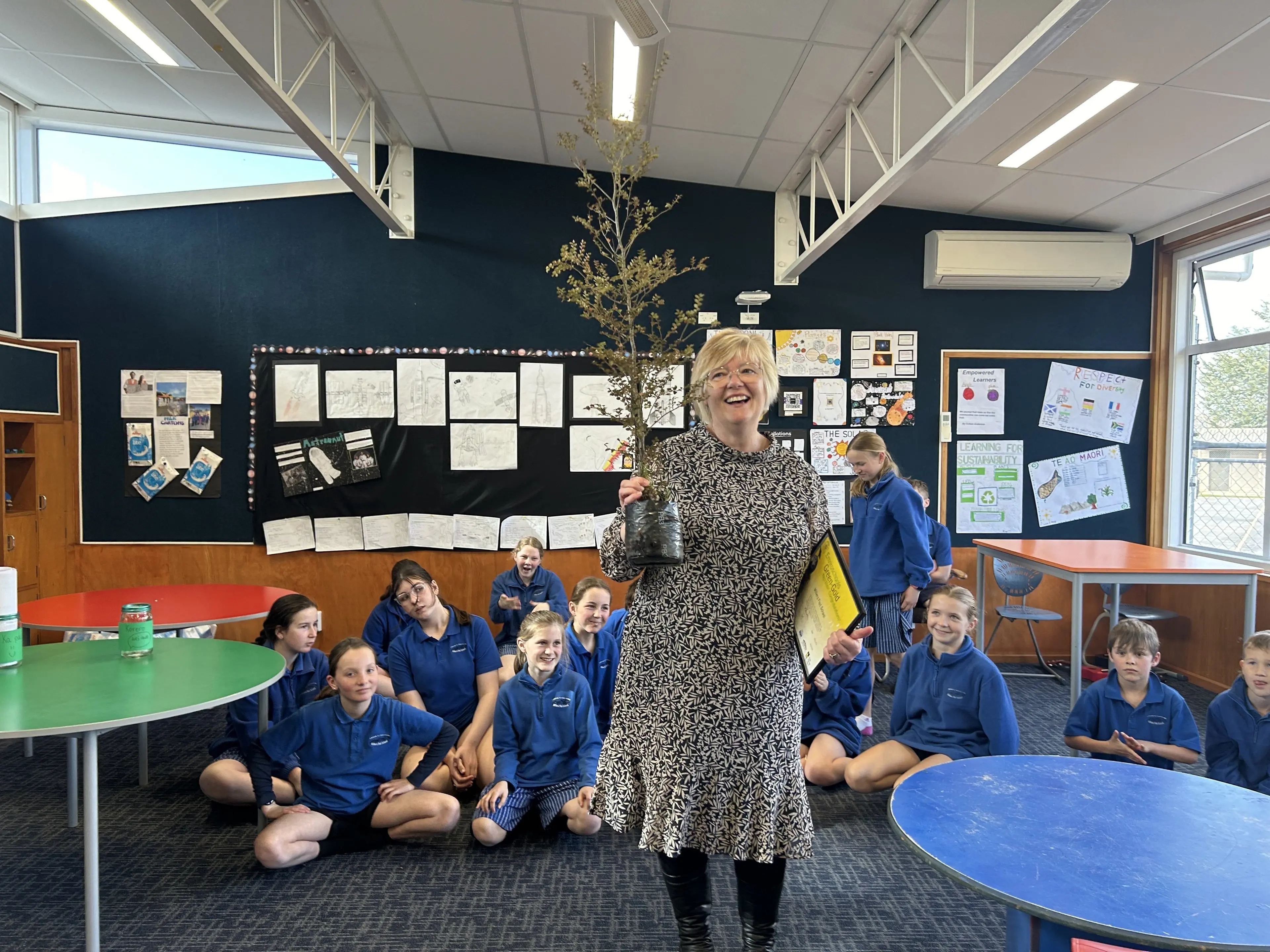
Hilary Spedding, Millers Flat School
On any day at Millers Flat School, principal Hilary Spedding might be teaching, caretaking, administrating, fundraising, or even managing an emergency. At the rural school of 23 students, there are plenty of hats to wear.
The school is celebrating its 140th anniversary this year, and Hilary reflects on 12 years at the helm of a school she describes as a “big family”. One of the main myths about rural education is that small schools offer fewer opportunities for students. That couldn't be less true, she says.
Another misconception is that leading a small school is somehow easier than running a large one. But unlike larger schools with deputy principals and management teams, every responsibility ultimately lands on her desk.
“Pretty much one day you're the cleaner and the next day you're a teacher and the next day you're the principal – or sometimes all in the same day.”
Her working day begins long before students arrive. After checking messages, she turns on lights, makes sure the school is warm, checks for leaking pipes, clears hazards such as ice and even inspects mousetraps.
One memorable morning involved cleaning up water from a defrosted milk fridge before tackling another spill in the staffroom. Yet despite the challenges, Hilary says the rewards are immense.
“I know all the children and all the families.”
With two part-time teachers alongside her, relationships are at the centre of the school's culture. Generations of families have attended the school, with siblings and cousins often learning together. Teachers already know their students before the school year begins, allowing learning to start immediately.
“We know all our children, and we know exactly where they are.”
The Millers Flat School motto is ‘A Bridge to the Future’, reflecting both the iconic blue bridge in Millers Flat and the school’s vision for students. Year 8 pupils are encouraged to leave a legacy before moving on to high school, whether by painting murals, redesigning the school logo, or planting fruit trees. Rural school life can sometimes be unpredictable. Hilary laughs about the day an escaped bull charged through the playground, forcing the school into lockdown. A Ministry of Education adviser who visited after the event was astonished, while the students had barely reacted.
“They just sort of looked out and said, ‘Oh yeah,' and just carried on.”
After more than a decade in the role, Hilary remains committed to the community that has become home... and her happy place is still the classroom.