
PHOTO
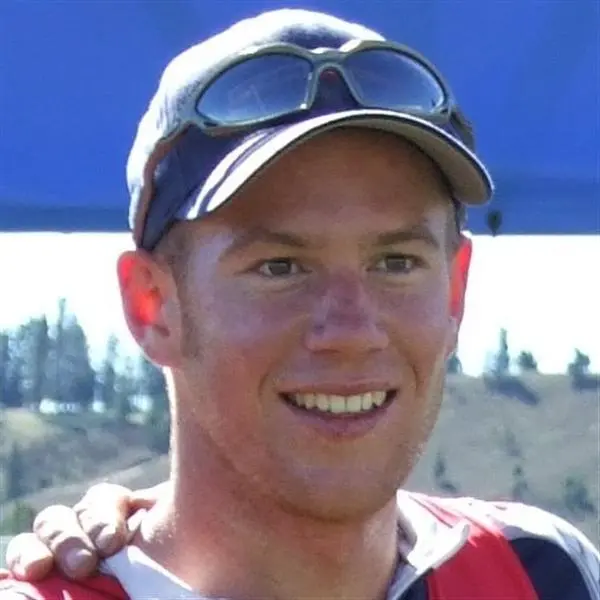
Coast to Coast organiser Robin Judkins says he will consider suggested changes to the event but it is a business and has to make money.
The event, which started in 1983, is staged this weekend. More than 600 athletes will line up to run from one side of the South Island to the other.
However, some of the aspects of the race have been criticised by top-line athletes, who have suggested changes.
Multiple winner Richard Ussher told The Press the race needed to be revitalised with less focus on Judkins.
He wanted prizemoney increased, a reduction in race fees, and to create a better race for spectators.
It costs more than $1000 to enter the race.
He was backed up by two Wanaka athletes, who finished directly behind Ussher last year.
Dougal Allan has finished second three times in a row, but said the financial returns did not stack up in competing.
''For getting second I won $1400 in what they say is the world multisport championship. You are not going to do it for the money,'' Allan said.
''But I am still turning up and this is my sixth time in a row. The course is quite unique. But it is not my No 1 race. Other races are more important.''
Allan, who admitted he had thought about not competing this year, said he felt an obligation to sponsors to do the race. Sponsors and the general public saw the Coast to Coast as a major event in which multisporters should compete.
Allan felt the prizemoney should go deeper and the top 10 finishers should have an incentive to return next year by not paying an entry fee.
Races overseas were run on a much more professional scale but were in bigger countries.
Allan said it would be hard to imagine the Coast to Coast without Robin Judkins.
Lining up alongside Allan this year in the Speight's-sponsored event is Braden Currie, also of Wanaka, who finished third last year in the one-day event.
Currie received $800 for finishing third - the winner gets $10,000 - and that was not even enough to cover the entry fee.
He questioned how much of the entry fee went into the growth and development of the sport.
He had trained on the course three times this summer already and that cost up to $400 a time so the cost of competing was high.
Improvements needed to be made on the course.
''They have a blackboard at the Waimakariri River still. You don't get any updates for three hours when people are on the river. You go to any other race in the world and you get updates constantly.''
He said most top athletes felt the same way and many other top endurance athletes now simply did not bother competing in the event.
Judkins said he would take heed of the suggestions but it was not that simple to change things.
Entries had increased this year from 552 to 621 so the event was still popular. They had been at 800 in 2010 but had dropped off as the recession hit.
He said the initial entry fee in 1983 was $50 and competitors had moaned about the cost then.
There were 440 volunteers for the event and they enjoyed the event.
''It is a business and it has been a business for me for 31 years. If it does not make money then it won't be a business.''
Judkins said he held no grudges against Ussher for his comments and would be at the finish line to greet him.