
PHOTO
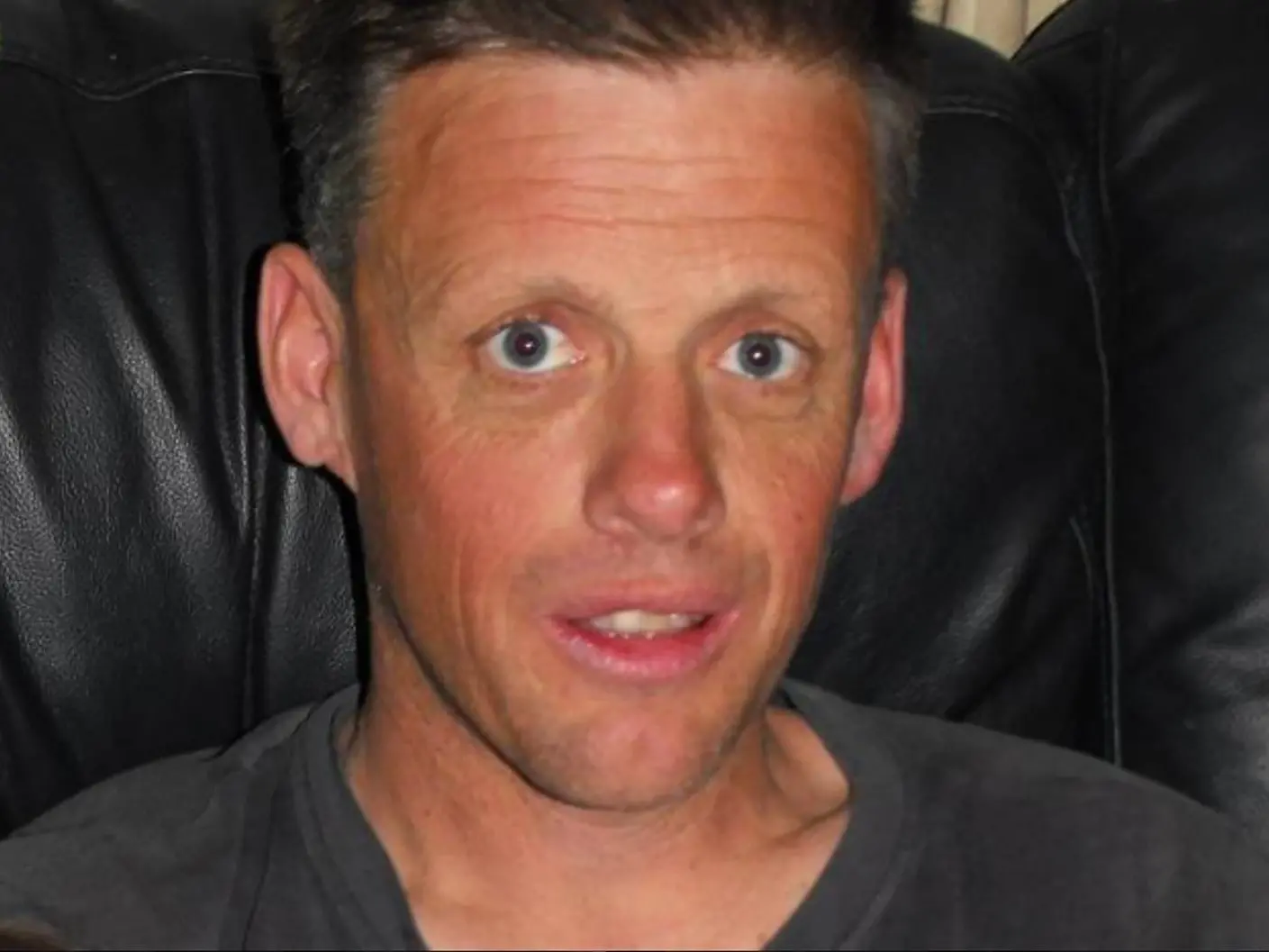
The brother of Michael McGrath is backing a law that would ensure convicted murderers remain behind bars if they refuse to reveal the location of their victim’s body.
National MP Tom Rutherford has put forward a member’s bill, the Concealment of Location of Victims Remains Bill, which aims to amend section 9 of the Sentencing Act 2002.
The amendment would require sentencing courts to consider an offender’s failure to disclose the location of a victim’s body as an aggravating factor.
One of the cases Rutherford is focusing on in his bid is the disappearance of builder Michael McGrath.
His childhood friend, former prison guard David Benbow, was convicted of his murder in 2024 and sentenced to life imprisonment with a minimum non-parole period of 17 years.
Benbow is awaiting a Court of Appeal hearing against the conviction and sentence. It will be heard in November.
He says there was a “miscarriage of justice” at his trial.
The Crown alleged Benbow murdered 49-year-old McGrath after finding out he was in a relationship with his partner of 17 years, Joanna Green.
McGrath was last seen alive in May 2017. Two years later, Benbow was charged with his murder.
Neither the rifle the Crown says killed McGrath, nor his body, have been found despite extensive searches. Benbow has always denied he killed McGrath.
After his first trial, the jury was unable to reach a verdict. At his second trial, he was found guilty of murder.
Rutherford’s private member’s bill would see a new 28A section inserted into the Parole Act 2002, requiring the Parole Board to refuse parole unless satisfied the prisoner has co-operated satisfactorily in identifying the victim’s location.
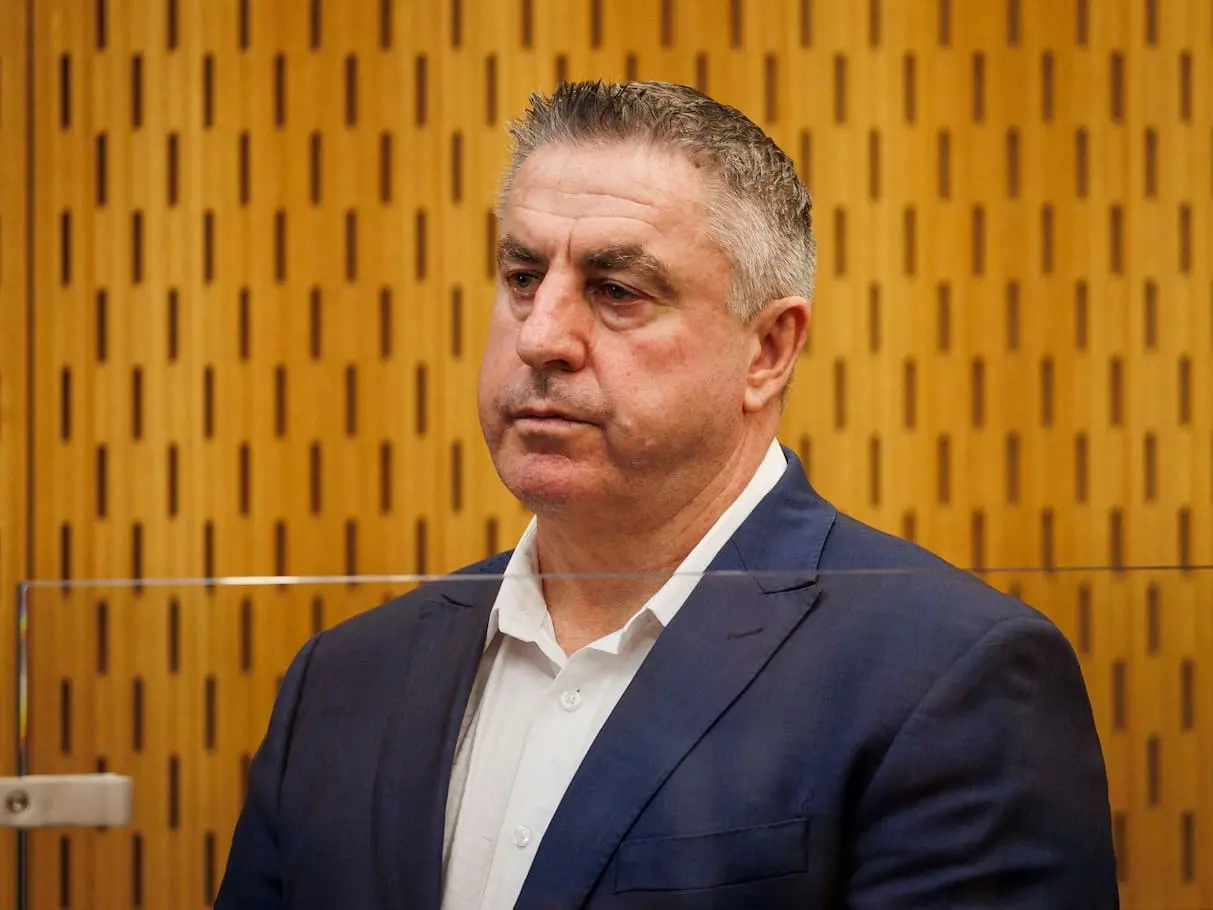
McGrath’s brother, Simon McGrath, supported the law change, said Rutherford.
“I spoke with Simon about this bill and was immensely moved by what this family continues to experience,” he told the New Zealand Herald.
“Despite extensive police searches, Michael’s body has yet to be found, and Simon and his family have not had the closure they deserve.
“I’m proud that today we are one step closer to helping families in New Zealand facing similar situations, ensuring our justice system prioritises victims over offenders."
The ‘no body, no parole’ bill acknowledged the “additional anguish faced by families” left unable to lay their loved ones to rest.
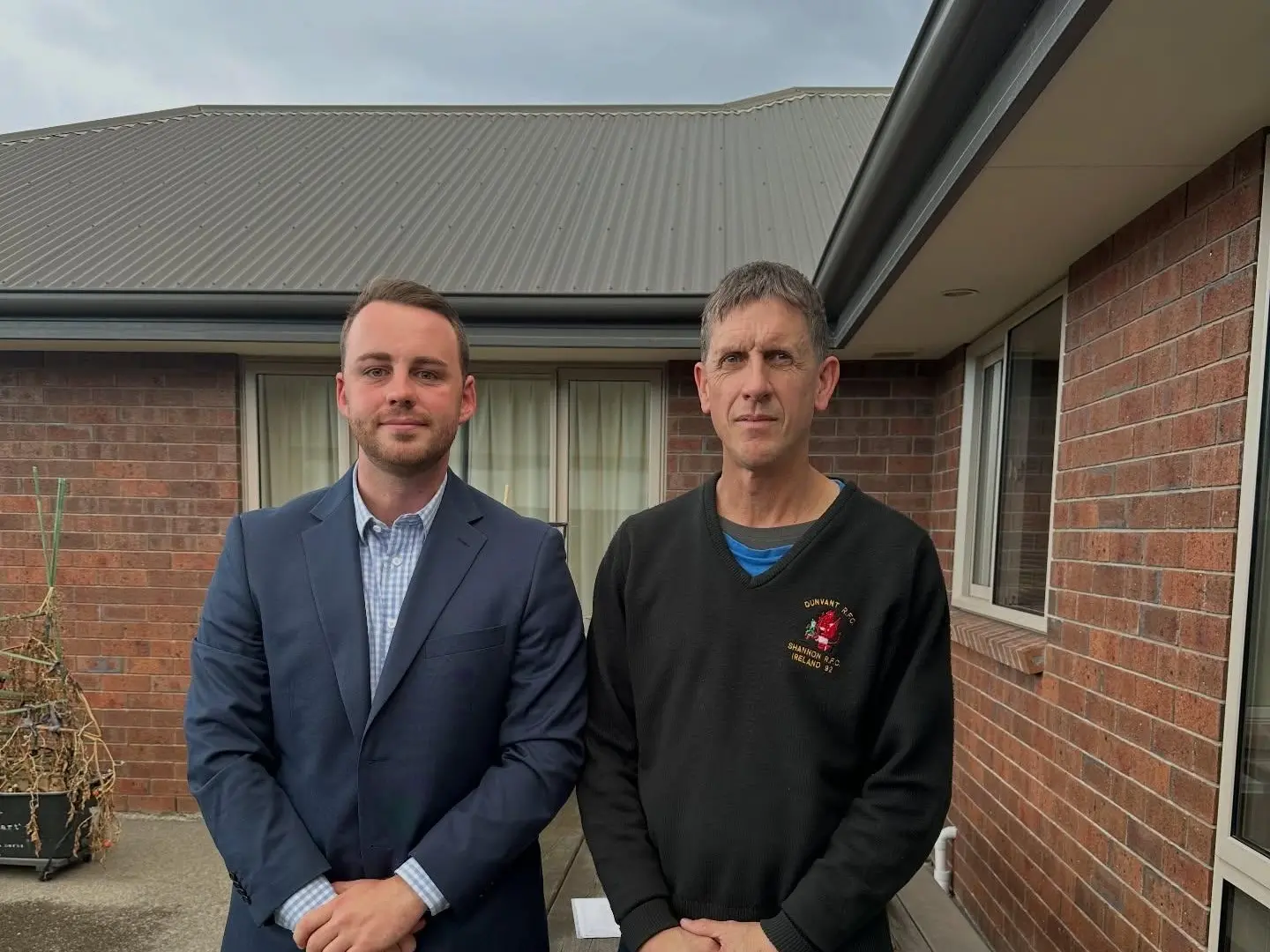
Rutherford said the bill intends to deny offenders the opportunity for parole while they “selfishly” withhold closure for victims’ families, the NZ Herald reported.
“It also reflects this Government’s tough on crime, victims first approach.”
In February, Simon McGrath, told RNZ Benbow continued to show a “disturbing lack of empathy and remorse despite the clinically clear weight of evidence against him that has resulted in his unanimous murder conviction”.
At sentencing, Justice Jonathan Eaton described the murder as an execution style killing.
He said the high level of planning, including the fact that McGrath's body has never been found, added to the length of the sentence.
It was alleged McGrath was supposed to visit Benbow at his Halswell house McGrath about 9am on May 22, 2017, to help him move some railway sleepers.
Benbow said he never showed up. But the Crown said the sleepers were a “ruse” and that once he arrived, Benbow killed him with his .22 rifle and later disposed of his body.
Rutherford said the bill was “one step closer” to giving closure to families such as McGrath’s.
- HAVE YOUR SAY Share your views on on the law change. Email barry@alliedmedia.co.nz Keep responses to 200 words or less
-Allied Media