
PHOTO
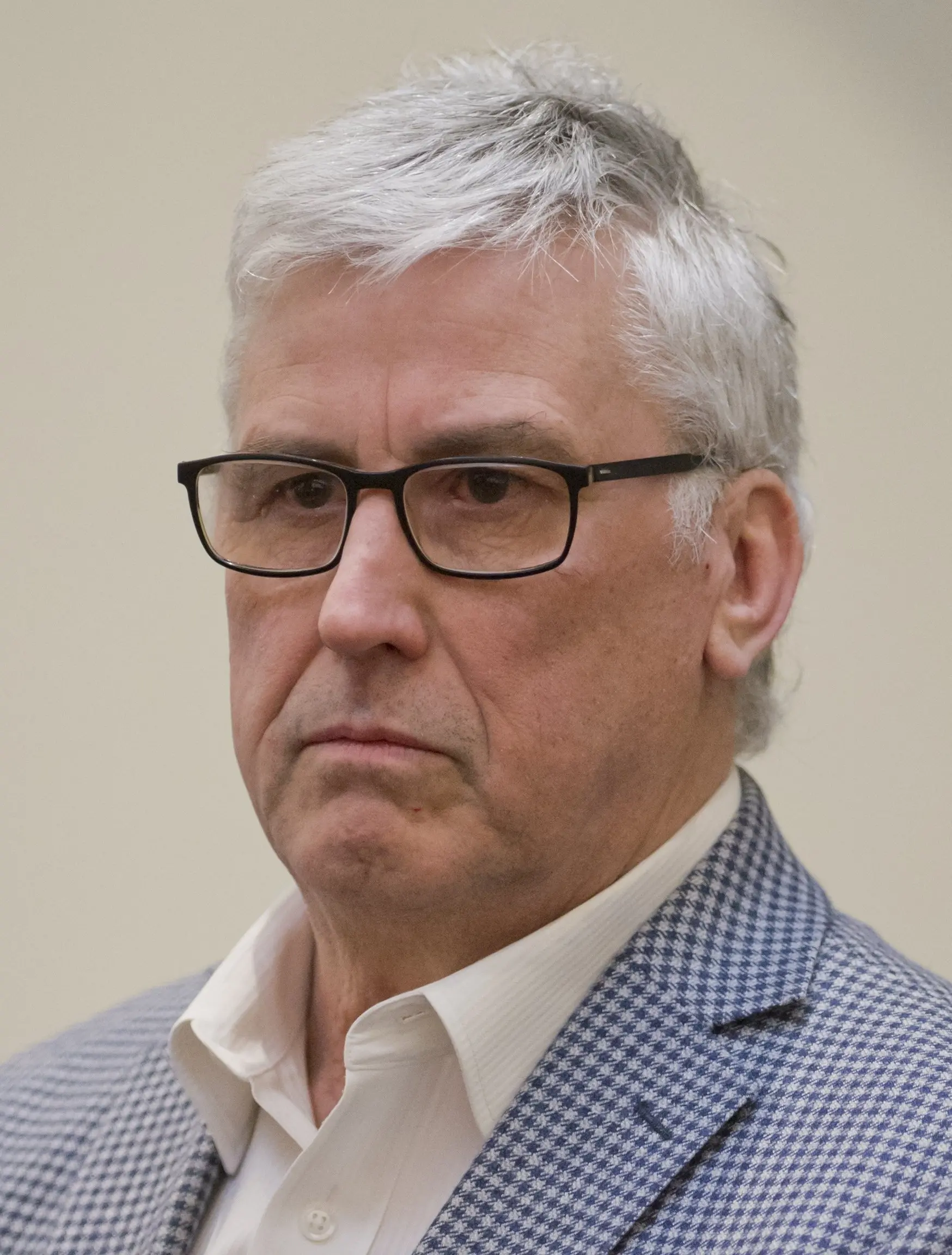
A Ponzi scheme fraudster, who ripped off investors for more than $15 million, has told the Parole Board he is ‘‘a good budgeter’’.
Barry Kloogh, 63, elaborated at a hearing yesterday he was talking about dealing with financial hardship if he was released.
‘‘I’m meaning ... in the day-to-day, I’m quite good at managing [money],’’ he said.
‘‘I simply won’t be able to live the life I lived before ... so I’m going to be challenged by that but I’m also very clear: I’m able to live a very frugal life and I intend to do that. I certainly don’t intend splashing money around because I simply won’t have it.’’
Kloogh was declined parole — for the third time — and will come back before the board before the end of the year.
In 2020, the Dunedin man was jailed for eight years 10 months after admitting a range of charges covering a $15.7m scam which spanned 25 years.
A psychologist, who interviewed the inmate last year, said he lacked insight and there were issues with entitlement and feelings of grandiosity.
Kloogh yesterday said he had been determined to confront those character traits and was undertaking a psychology paper at present, which he described as ‘‘a game-changer’’.
‘‘I know it remains open as to whether I can possibly change but at least I understand it now and I can see it,’’ he said.
‘‘I didn’t before.’’
It was not the only study he had done while behind bars.
The Parole Board previously heard Kloogh was doing a creative writing paper, and yesterday he detailed six manuscripts he had written over the six years of his sentence.
Three concerned ‘‘the prison environment’’, one was a play, one was a novel and he had also penned a poetry collection.
Board member Sharon Gemmell asked the prisoner whether he planned to publish them.
‘‘Maybe,’’ Kloogh said. ‘‘But that will depend on whether anyone wants to read them.’’
There was much discussion about the convicted scamster’s release proposal to a private residence outside the Otago region (the location was suppressed).
Kloogh had previously been in line to be wait-listed for supported accommodation through a charity provider but that was discontinued when he came up with the new address.
He had also asked to be transported to the home by a family member rather than by prison transfer.
‘‘That’s all about you, isn’t it,’’ board member Alistair Spierling said, suggesting it could be perceived as an extension of Kloogh’s selfishness.
The prisoner accepted that was how it appeared but stressed he was mindful of the bigger picture, acknowledging how galling the arrangement would be to his victims if allowed.
‘‘I’m doing that because I feel that’s my best option to live a crimeless life when I get there,’’ he said.
Kloogh remained in the self-care units at the prison and he was described as hard-working and polite.
The inmate said he had been ‘‘humbled by the prison experience’’ but had come to realise there were good people housed alongside him.
Kloogh said he had taken on something of a mentoring role during his lockdown.
‘‘I’ve been able to help [other prisoners] a little bit and talk to them and counsel them in some way . . . helping them to realise there’s a good person in them and they’ve got to let that person out,’’ he said.
Kloogh, though, stressed his jail time had not been easy and he revealed he had been threatened by others to transport contraband between units in his food-delivery role.
‘‘I said to them: ‘you can beat me up, I’m still not doing it’,’’ he told the board.
As he had at previous parole hearings, Kloogh said he knew what he was doing was wrong early in the scheme but he claimed he always had confidence he could recoup the funds to pay back his investors.
Despite the scale of his crimes, Kloogh was adamant no-one else was aware.
Mr Spierling asked him whether he had any stolen cash stashed away.
‘‘I wish I did,’’ Kloogh said. ‘‘I’d be passing that back to the victims.’’
In declining parole, Mr Spierling criticised the prisoner’s release plan as not robust enough and said he had ‘‘high reintegrative needs’’.