
PHOTO
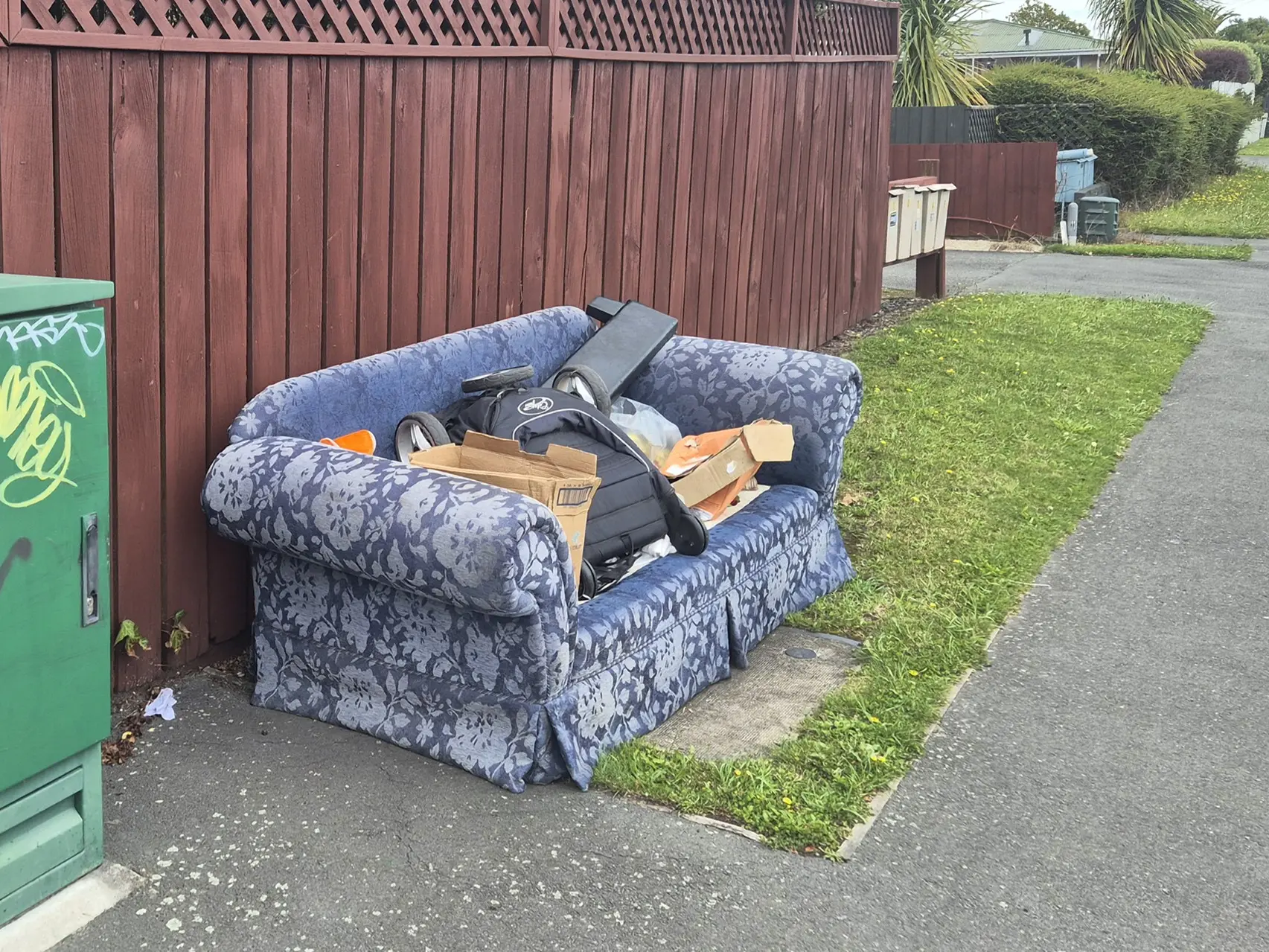
Major centres around the country are dealing with thousands of tonnes of illegally dumped rubbish.
New figures obtained by Checkpoint show the biggest problem is in Auckland, where council workers picked up 1926 tonnes last year - that's around the weight of 154 of the city's electric buses.
The most common items picked up were rubbish sacks, mattresses and cardboard boxes. Old couches and chairs were also commonly reported as illegal dumping items.
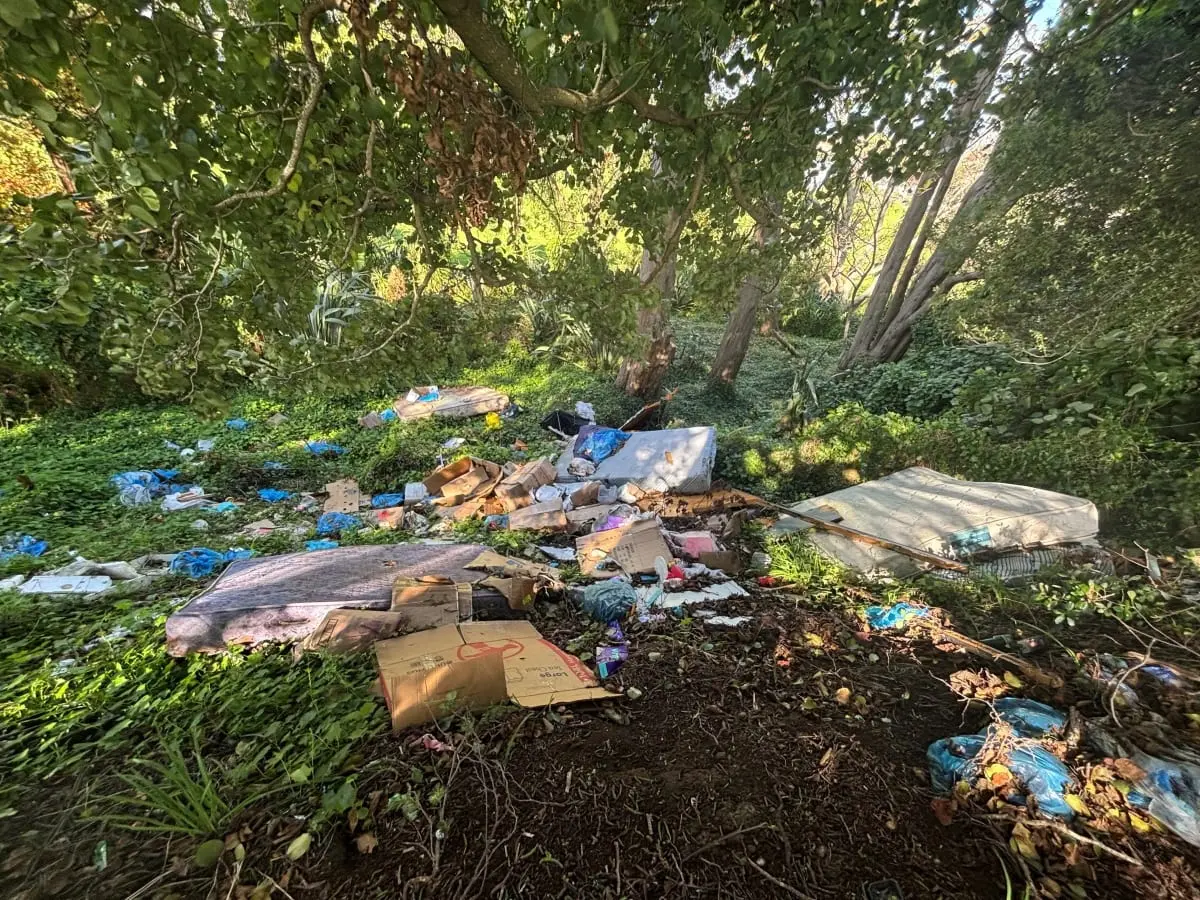
In Christchurch, the council estimates 909 tonnes of illegally dumped rubbish was collected in the last financial year, while Wellington City Council estimates 515 tonnes were taken off the street. In Hamilton, 161.58 tonnes of illegal dumped rubbish was recorded last year.
On Auckland's Cracroft St in Ōtāhuhu, resident Christina Ita'a is waging her own war on illegal dumpers.
She says an abandoned house on the road has been a popular dumping spot for people for "at least seven years" since her family moved to the neighbourhood.

On the day RNZ visits, there's a queen mattress, a child's ride-on toy, an old duvet and a smashed television among the rubbish outside the property.
Ita'a says junk gets chucked inside the property boundary too, which means it isn't counted as illegal dumping on public property.
"I've seen people come here, park their car and then they take it out," she says.
"There's couches, beds, all kinds of rubbish."
Ita'a has reported dumping at the house multiple times to Auckland Council, and while it has installed a camera and put up a sign, she does not believe it's made any difference. She also points out the dumped queen mattress lying under the council's "strictly no dumping" sign when speaking to RNZ.
"So what can I do about it? Come out and then talk to them directly?
"It's not working - I've been told that it's none of your business. But it is, it's our neighbourhood and that's what we do."
Less than five minutes' drive is another dumping spot on Hutton St.
Mike Bedson is the operations manager at Eco Maintenance, which is contracted by Auckland Council to collect illegally dumped rubbish.
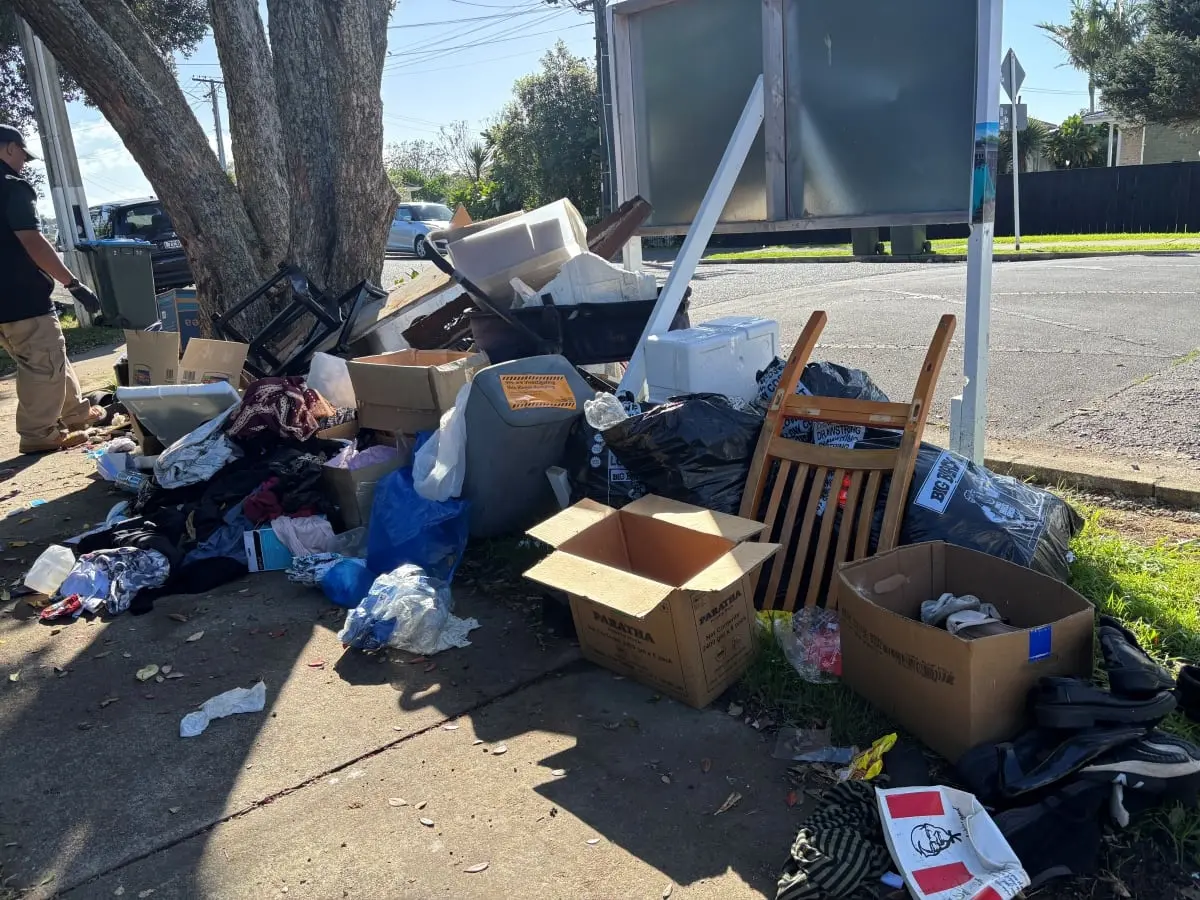
He points to a huge pile of junk on the street berm which has been reported to the council by a member of the public. The pile is made up of black rubbish sacks, old furniture, clothes, tree branches and cardboard and polystyrene boxes. It also includes an old pram and is piled under a "for sale" sign for one of the units behind it.
Not only is it an eyesore, it also isn't cheap.
Figures from Auckland Council show the clean-up of illegally dumped rubbish cost ratepayers $3.1 million in the last financial year.
Overall, 23,964 reports were made by members of the public about dumping. A breakdown by area shows Papatoetoe, Manurewa and Papakura had the most reports logged between 2021 and 2025. Henderson and Flat Bush rounded out the top five, coming in fourth and fifth for reports of illegal dumping.
Bedson says there's also a list of about 30 "illegal dumping hotspots" across the city. These locations are checked by his team at least once a week due to the amount of rubbish and frequency of dumping at them. He did not want the exact locations identified in case more people added to the problem.
Auckland Council's general manager of Waste Management Justine Haves says illegal dumping is a complex issue.
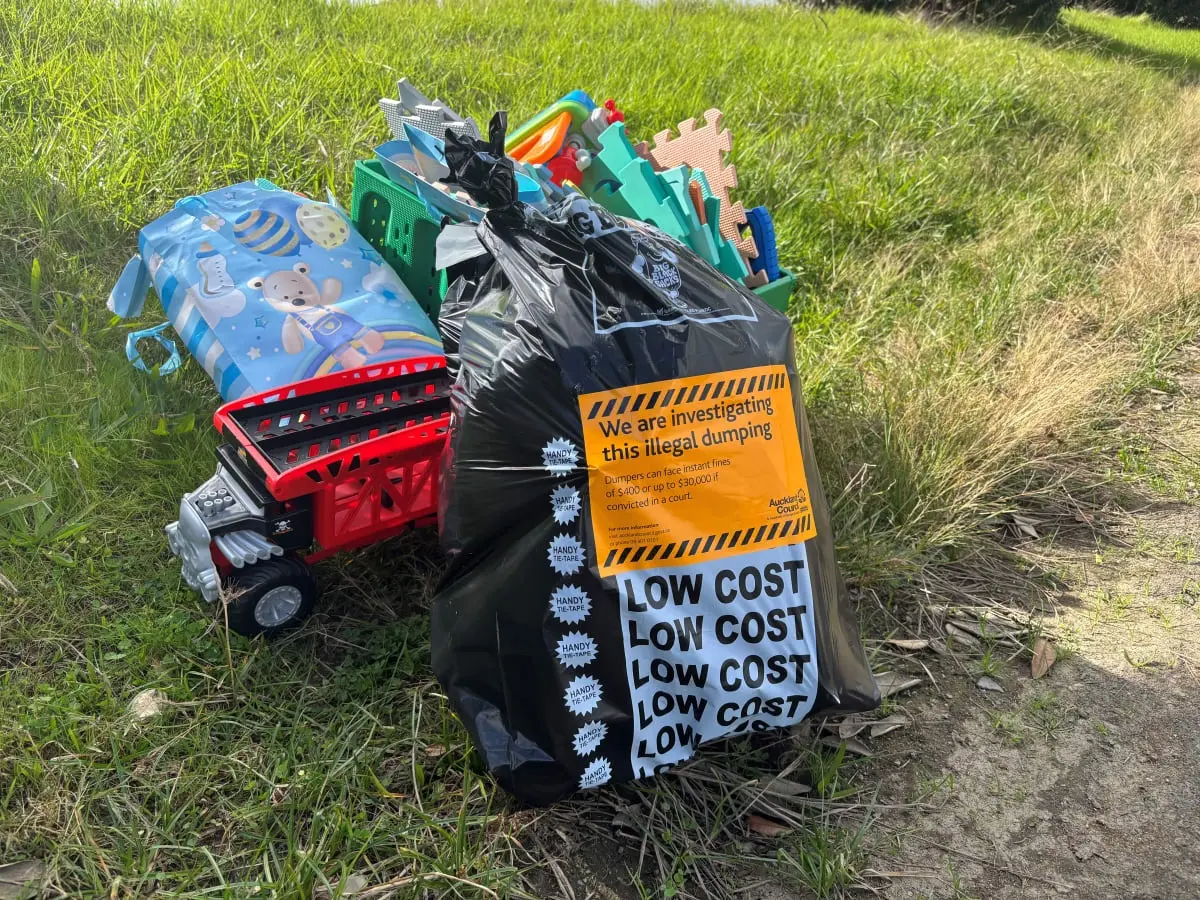
Under the Litter Act, the council can issue fines of up to $400 for illegal dumping. However, Haves points out the investigation process can be quite resource-intense due to the "high-evidence threshold" required for offences.
In the 2024/25 financial year, the council handed out $160,200 in fines, data shows.
"We really do want to encourage people to report, but enforcement is also really important so that there's a consequence to the action.
"For example, in Manurewa, we have specific initiatives in place to increase our monitoring and surveillance in known hot spot areas, and that enables us to capture a higher level of evidence to then consider what action we take."
Haves also stresses the importance of residents using things like the council's inorganic collection service to get rid of junk, rather than illegal dumping.
This story was first published on rnz.co.nz |  |