
PHOTO
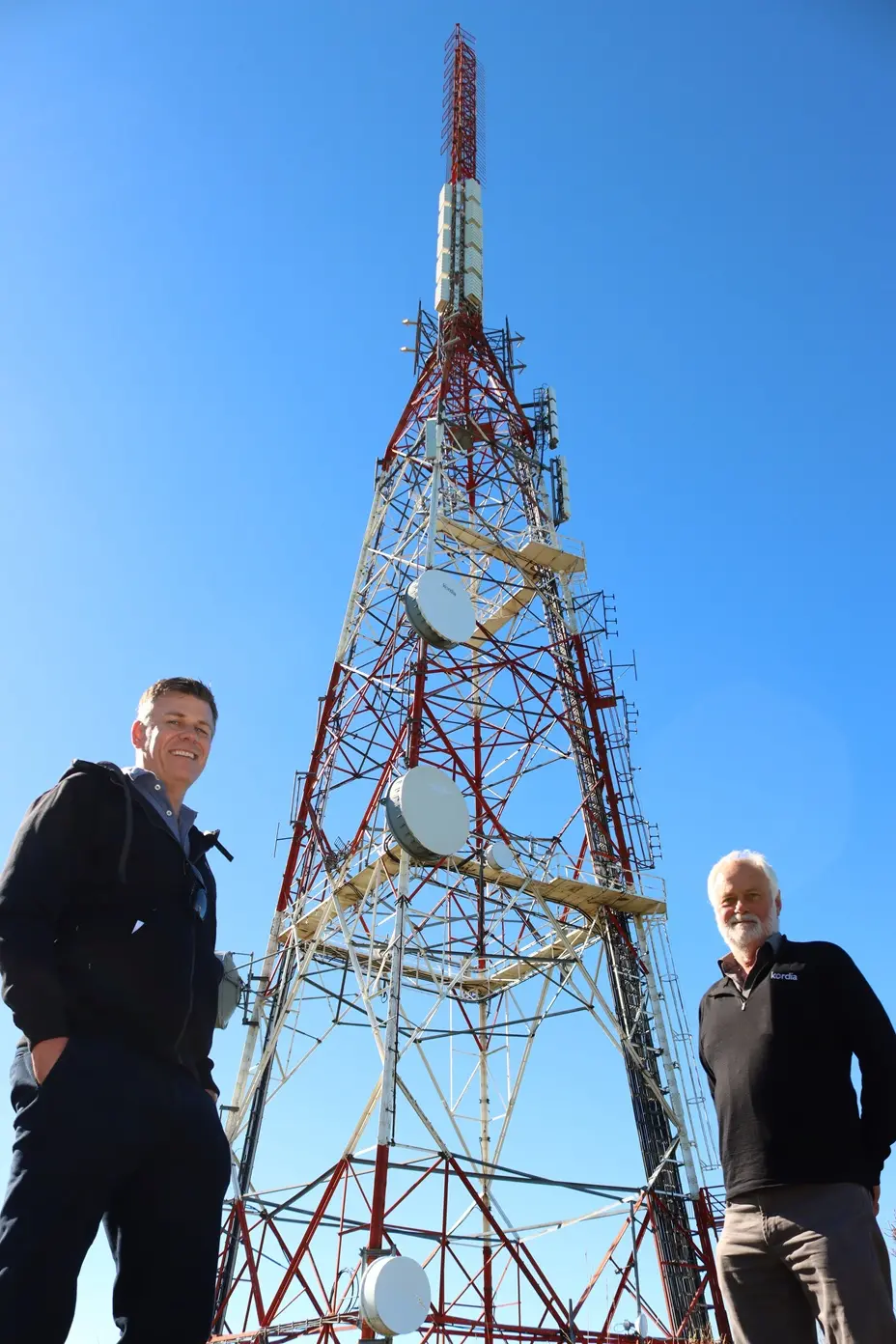
Dunedin’s tallest structure was built to beam the nightly news into local living rooms, but it has quietly transformed into the ultimate disaster lifeline for the lower South Island.
The 105m Mt Cargill transmission tower was constructed in the 1970s for New Zealand Broadcasting Corporation, the precursor to TVNZ, to deliver television into people’s homes.
Today, while it still serves as a transmitter of free to air broadcast channels, as well as many radio channels, it is also a critical communications backbone for maritime safety and first responders including Fire and Emergency New Zealand, Hato Hone St John and New Zealand Police.
When emergencies of all kinds emerge, the tower’s resilience becomes paramount.
The organisation manages maritime radio services including the Channel 16 distress radio system and local coastguard channels, monitoring safety of life at sea.
Kordia South Island head of operations Steve Townsend said not only does Kordia manage the transmission towers, it also runs a maritime operations centre that monitors distress calls.
Kordia runs a similar operation in Australia for their maritime authority and combined, these operations monitor a large percentage of the world’s oceans.
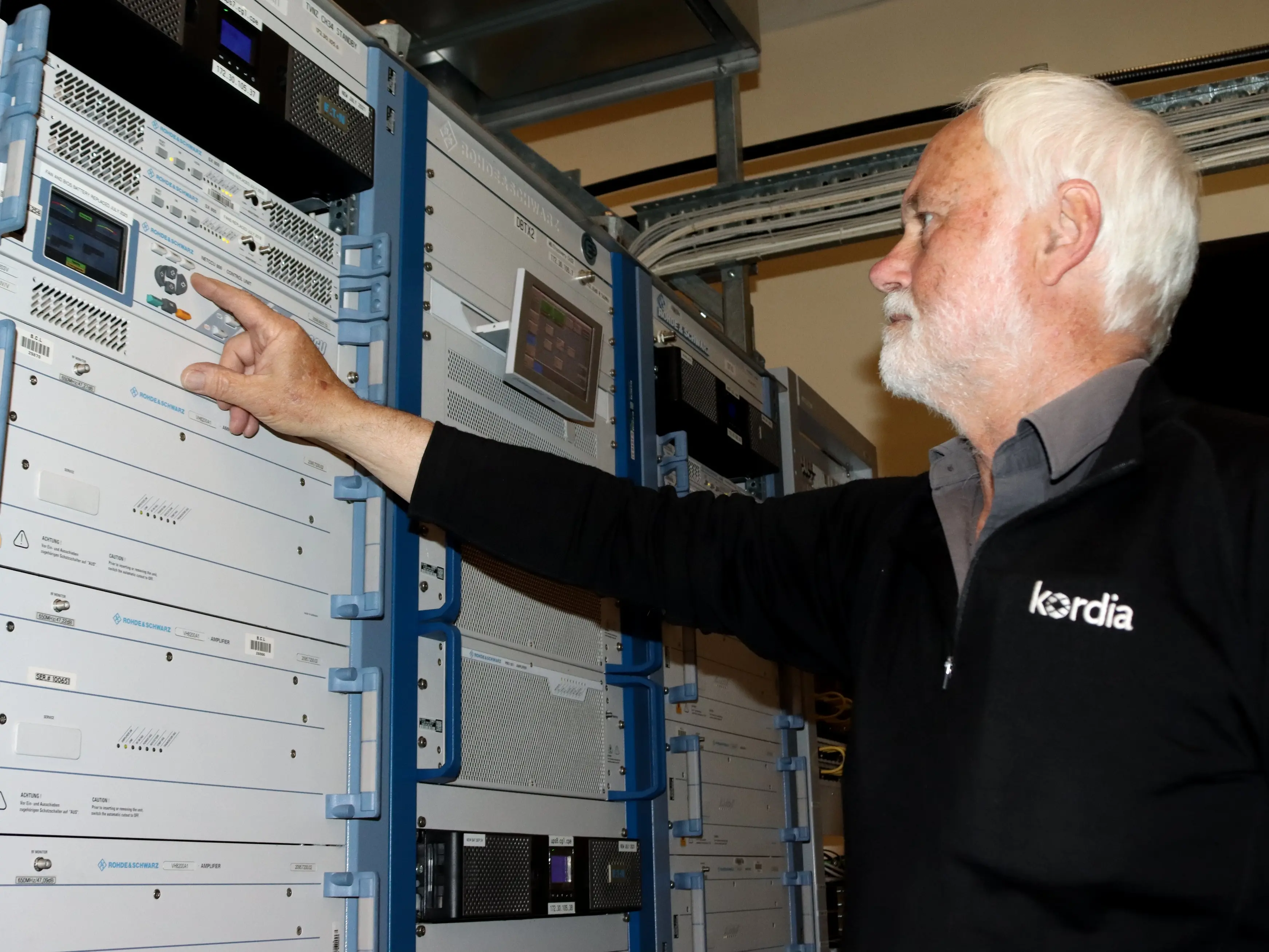
Team leader Gavin Tarbotton said to ensure operations survive severe storms or catastrophic grid failures, the Mt Cargill tower features a V12 diesel generator capable of running the equipment for up to a month.
Executive general manager of field solutions Brent La Franchie said the company continued to future-proof the site against an ever-changing environment.
‘‘Our towers are built to last, and our expert field teams keep them in top condition — replacing bolts, installing ice shields, upgrading steel members and painting,’’ Mr La Franchie said.
‘‘We have invested heavily in power resilience so key sites can, if required, stand self-sufficient during prolonged interruptions to the power supply, as we have seen during some of the most recent weather events.’’
The company is also looking to the future, investigating the potential to use sites such as Mt Cargill for high-security data centres and edge-computing style services.
‘‘Mt Cargill is a good example of a strategic regional site with spare capacity, resilient power, and hardened facilities that could support these emerging needs.’’
‘‘Any move in this direction would build on what Kordia already does well: operating a nationwide portfolio of secure, strategically located sites; providing carrier-grade connectivity; and maintaining high-availability infrastructure in challenging environments, while still delivering the broadcasting and critical communications services New Zealand relies on today,’’ Mr La Franchie said.