
PHOTO
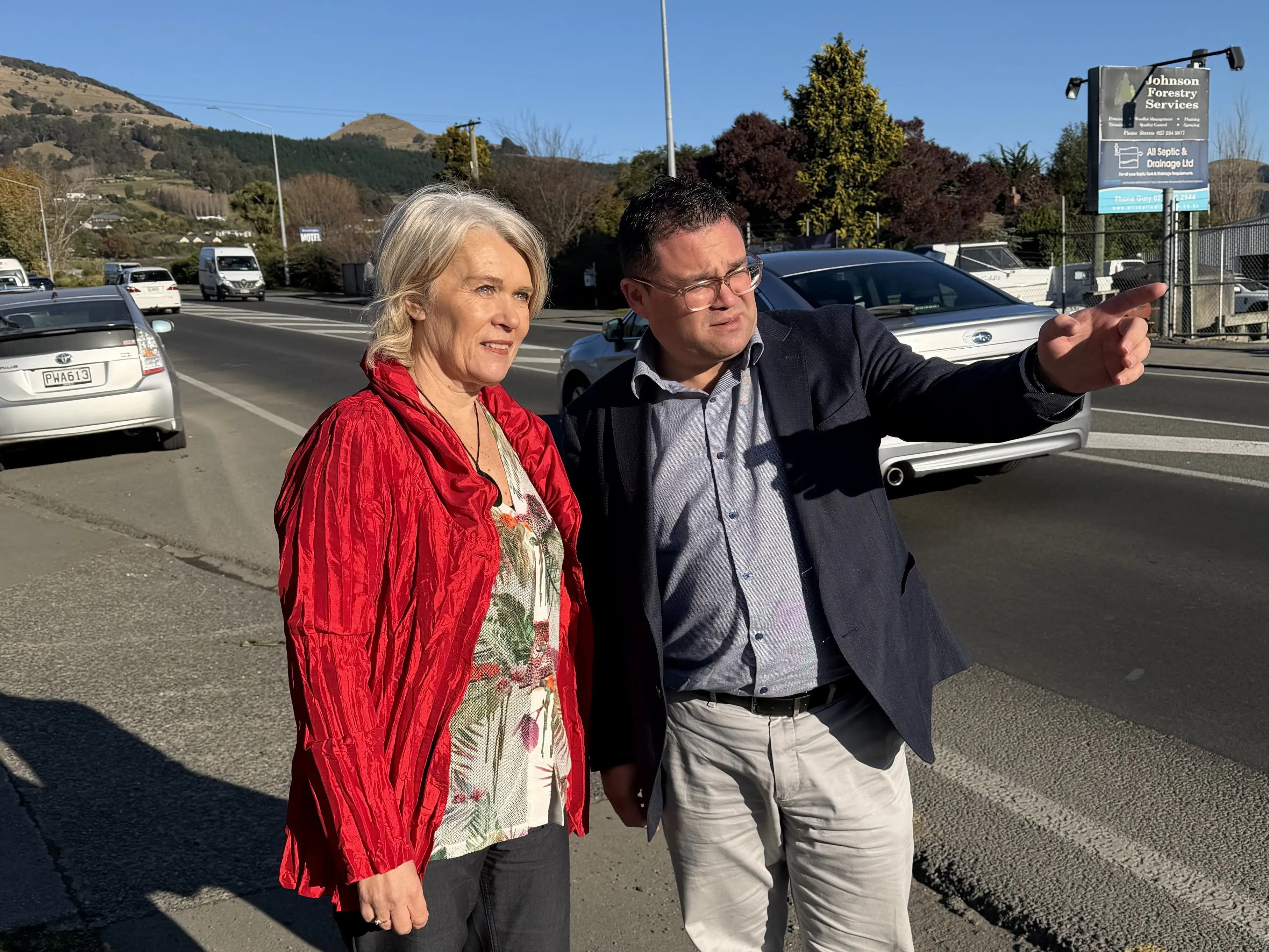
Mosgiel’s transport future is being shaped by a series of reports that each tell part of the story.
Before major consenting decisions are made, residents deserve to see the whole picture.
Two recent Stantec reports are instructive.

The Integrated Transport Assessment prepared for the Southern Link inland port consent application concludes that the additional truck traffic would make only a small increase to overall traffic on Gordon Rd.
By contrast, Port Otago’s Heavy Traffic Bypass Strategic Route Assessment concludes the inland port could increase heavy truck movements by about 30% and recommends investigating a $66 million heavy vehicle bypass.
These reports aren’t contradictory — they measure different things. One looks at total traffic, the other at heavy freight. But for people living, shopping and walking along Gordon Rd, heavy trucks matter. They bring noise, vibration, safety concerns and disruption.
The bypass report also confirms what locals have known for years: Gordon Rd is trying to do too much. It is simultaneously a state highway, a regional freight corridor, Mosgiel’s main street and the centre of one of New Zealand’s fastest-growing communities.
Yet the government’s position appears to be this: projects that drive regional economic growth are a national priority, but fixing Mosgiel’s existing transport problems is not.
When Dunedin City Council representatives met NZ Transport Agency Waka Kotahi (NZTA), they were told national priorities would determine investment. Despite rapid population growth, worsening congestion and longstanding safety concerns, Mosgiel was not considered a high priority. That is the wrong way around.
If central government is prepared to fast-track developments that place additional pressure on Mosgiel’s roads, it has a responsibility to help deliver the infrastructure those developments demand. It cannot champion growth while leaving local communities to manage the consequences.
And freight is only one part of the story. Mosgiel continues to grow through new housing, expanding retirement villages and increasing commuter traffic.
That raises an important question: are all major developments contributing fairly to the infrastructure needed to support the growth they generate?
This is why Dunedin City Council’s comprehensive Mosgiel transport study is now critical.
It is due in September, but by then key consenting decisions on the inland port could already have progressed. That makes little sense.
The council, NZTA and the government should work together to bring this work forward.
Unlike reports prepared for individual projects, the council’s study is expected to examine Mosgiel’s entire transport network: freight, population growth, housing, retirement village expansion, commuter traffic and future infrastructure needs. It is the only work capable of providing an independent, 360-degree assessment.
The Port Otago bypass report itself says the next step is a full business case to quantify benefits, refine costs and identify funding.
Good planning means understanding the cumulative impacts before making irreversible decisions. Mosgiel deserves nothing less.