
PHOTO
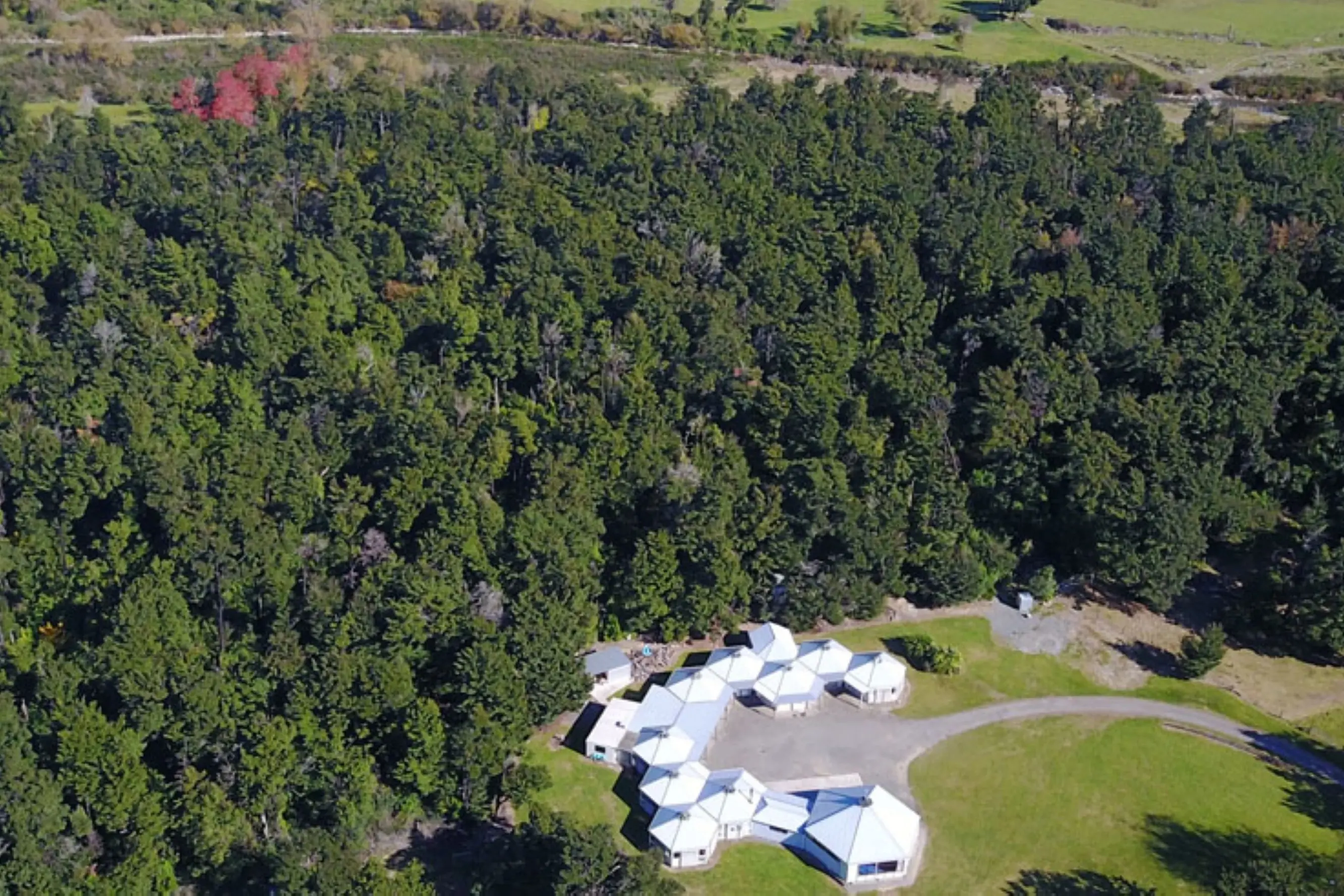
Regenerating native bush and increasing birdlife in the forest at Staveley Camp are now thriving following native forest restoration works.
The results are noted in a five year monitoring project of the site.
Environment Canterbury has been funding the project since 2017, highlighting the value of protecting existing forest remnants rather than creating new habitat.
Forest Care co-ordinator Gen de Spa said in a statement that the forest was now in a much healthier state.
“We are much more on top of the large seeding sycamores, rowans, hawthorns, elderberries and cherries, with hundreds removed over the last five years,” she said.
“In most areas where weed control has happened, native regeneration is natural, fast and diverse.”
de Spa, who will step down at the end of the year after nine years in the role, said a surprise has been the arrival of new native species, including a rarely seen mahoe plant, likely brought in by birds.
“I’ve only just found a mahoe for the first time, which is really exciting. The species list is growing all the time.”
Community involvement has been central to the project’s success.
Staveley Camp hosts community groups, retreats and school camps, while volunteer weeding days and environmental education programmes have connected hundreds of people with the restoration effort.
The project is also inspiring neighbouring landowners to protect native bush on their own properties.
When de Spa arrived in Staveley in 2017, she began with a 150-hour contract focused on controlling cotoneaster and Darwin’s barberry.
“It became obvious very quickly how much work and attention this remnant forest needed,” she said.
Since then, she had secured funding, organised volunteer events, supported school programmes and recently completed a book documenting the history of the camp and forest.
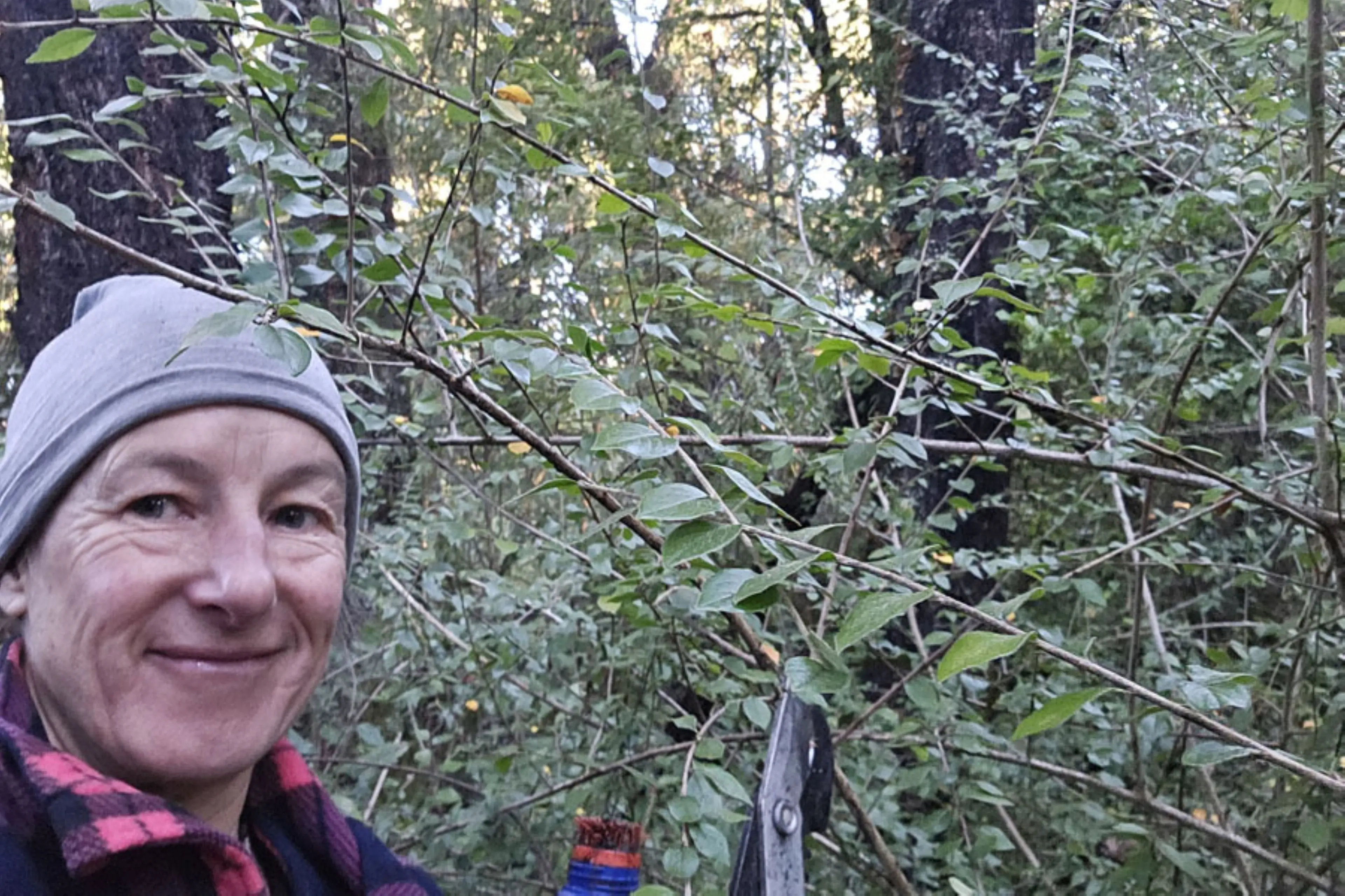
Despite the gains, ongoing weed control remains essential, particularly for sycamore and cotoneaster.
“There’s still more to do, but with ongoing support and funding we can continue building on the momentum and protect this remarkable forest into the future,” de Spa said.
The forest’s recovery is also being reflected in birdlife, with flocks of kererū now regularly observed alongside pīwakawaka (fantails) and tauhou (silvereyes).
“For the first six years I watched the kererū population sit at two or three birds,” she said.
“Then in 2024 it jumped to four and in 2025 to seven.”
Pest control targeting possums, rats, hedgehogs and mice, supported through community groups such as the Methven & Foothills Birdsong Initiative was also helping to reduce pressure on native wildlife.
The team also released Chilean flame creeper beetles as a biological control agent earlier this year to help tackle invasive Chilean flame creeper.
Environment Canterbury biodiversity advisor Tilly King said the project demonstrates the value of long-term investment in biodiversity.
“Staveley Camp is a great example of what can be achieved when communities, landowners and councils work together over many years,” she said.
“The monitoring shows that protecting existing native forest remnants can deliver outstanding biodiversity outcomes, from native regeneration to increased birdlife and stronger ecosystem resilience.”