
PHOTO
Christmas has been cancelled at some Dunedin workplaces, as business owners scrap office parties and end-of-year bonuses in an effort to weather the economic storm.
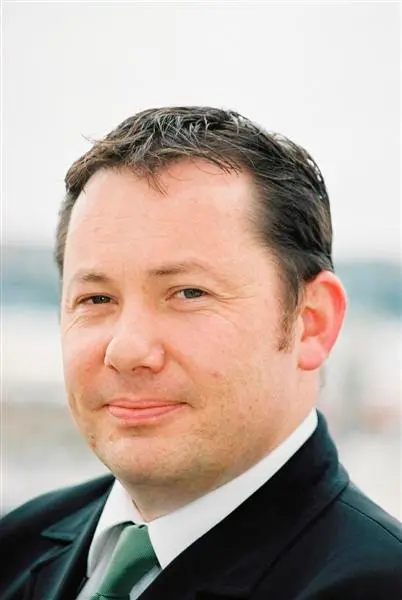
Otago Chamber of Commerce chief executive John Christie said there was a "real trend" among Dunedin businesses to minimise traditional Christmas expenditure, in an effort to avoid shedding employees.
"I certainly know there's been a big cutback this year. It's an affordability thing - they just can't afford to do it.
"You want to cut all the costs you can before you start cutting people's jobs," he said.
His comments come as Dunedin businesses continue to feel the pinch of recession and eye the prospect of an even worse 2009.
Several stores have already closed - or have announced plans to do so - while other retailers spoken to by the Otago Daily Times in recent weeks have described difficult trading conditions on Dunedin's George St.
However, help could be on the way in the form of an economic forum in Dunedin on February 25, organised by the Ministry of Social Development in partnership with the Dunedin City Council and Otago Chamber of Commerce.
Planning was just beginning, but up to 180 people were expected to hear economists, bankers and MPs discuss the economic environment, ministry acting regional commissioner Sue Rissman, of Dunedin, said.
Other summits were planned for Invercargill, Queenstown and Timaru, and similar events would be held in other parts of the country, she said.
The forum would be preceded on January 20 by a separate economists' briefing for Dunedin city councillors, a move suggested by council economic development unit manager Peter Harris, Cr Richard Walls confirmed yesterday.
Speakers including National Bank chief economist Cameron Bagrie and Ministry of Social Development regional commissioner John Allen would address the session, which would coincide with the council's planned long-term council community plan (LTCCP) hearing, scheduled to begin the following day, Cr Walls said.
Both moves come after Mr Christie earlier this month called for more action to stimulate the local economy, including suggesting the DCC bring forward planned spending where possible.
Contacted yesterday, Mr Christie said he was encouraged by the latest initiatives, but hoped concrete steps would follow the talking.
The Dunedin City Council's ability to stimulate the local economy - or not - through its spending decisions meant any moves needed careful consideration, he said.
Bringing forward budgeted spending could deliver an economic boost in the short-term, but increasing new capital spending could put pressure on rates, he warned.
Deferring capital projects - as suggested by council chief executive Jim Harland this month - could ease the rates burden, but reduce money flowing into the local economy and the employment opportunities it brought.
"There's going to be a lot of debate around that council table early in the new year," he said.
"I think once we are well informed, we are better able to make good decisions, but at the end of the day we do need some action to come out of it."