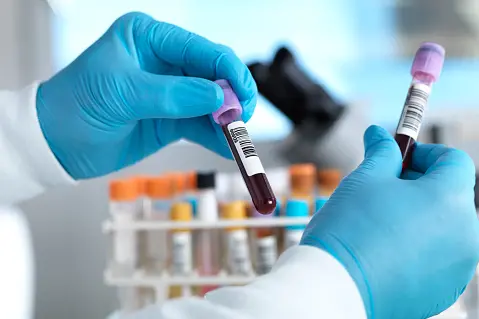
Dunedin’s clinical laboratory services are facing a sudden spiral, as senior staff leave and those that remain warn of burnout. The Otago Daily Times has been told that Awanui Labs’ head haematologist left last week, while it understands other senior staff have also departed in the past couple of months. Haematology involves the diagnosis and care of people with complex blood conditions, including cancers of the blood. It comes after the Apex Union approached Awanui Labs management in April about short-staffing, but so far the union has yet to receive a meeting or letter in response. Apex Union lead delegate Sam Heimsath said the situation was exhausting, unhealthy and untenable. In 2023, Awanui employed about 13 medical laboratory scientists, and three medical laboratory technicians to run the operations of Dunedin Hospital’s haematology department. By the start of this year, the number of staff had been cut to eight scientists and two technicians to run the haematology department, and to process work on the Flow Cytometry bench, which was moved to haematology in 2024. "So we’re doing more with a lot less,” Mr Heimsath said. Should the situation get any worse, the Dunedin haematology department would become extremely vulnerable to fluctuations in daily sample volumes, he said. “It’s expected that there will be delays in testing and a possible increase in the frequency of avoidable patient rebleeds.” [Missing Credit]Lab scientist Terry Taylor. PHOTO: PETER MCINTOSH It was fast becoming a critical issue, Mr Heimsath said. "Apex has ongoing and serious concerns about the staffing across the Awanui Labs laboratories, and the union has been calling for a review of the medical laboratory sector's privately owned laboratories, which in our view are no longer delivering a high-quality service for patients and safe working environments for staff.” The ability for staff to take sick and annual leave was already strained, he said, but such was the precarious position of the Dunedin laboratory that staff taking unexpected leave was “likely to hinder the delivery of haematology services to Dunedin hospital”. The head of haematology’s resignation would “add further pressure to a department in disrepair”, Mr Heimsath said. Awanui Labs recorded a loss for the 2025 financial year of $2.16 million, compared with 2024’s bombshell loss of $15.8m In June, just before his departure for Australia, Dunedin blood cancer specialist Terry Taylor warned that such was the pressure on laboratory staff that there was nothing to stop the team repeating Invercargill’s mistakes. The strained and chaotic situation was demonstrated in Invercargill at Southland Hospital where the laboratory team missed a potential cancer diagnosis for a retired nurse until it was too late. Mr Taylor had 33 years’ experience as a blood cancer specialist. Yesterday, he said he would not be surprised if delays and misdiagnoses would become increasingly frequent in the Southern Health district. "The whole thing is dire. "Are they going to be able to fill my position, and not only that, fill it with someone with significant expertise? I just don’t know.” The ODT approached Awanui and asked whether it could confirm how many have left; what pressure the departures placed on Awanui, and whether Awanui would be able to perform successfully all of its designated tasks. They replied: “Awanui's clinicians are pathologists, and we have not had any recent departures from Dunedin for this speciality. “Awanui remains confident in the quality, safety and resilience of the pathology services it provides across the lower South Island, including through its Dunedin laboratory and wider national network.” Mr Heimsath said Awanui was splitting hairs. “Awanui’s statement isn’t untrue. Scientists and pathologists are two different roles within a lab. “But we are of the view that this statement diverts the conversation from the crux of the issue. “There have been a significant number of resignations in the Dunedin haematology department, which is resulting in unsafe working conditions and the delivery of subpar laboratory services.”