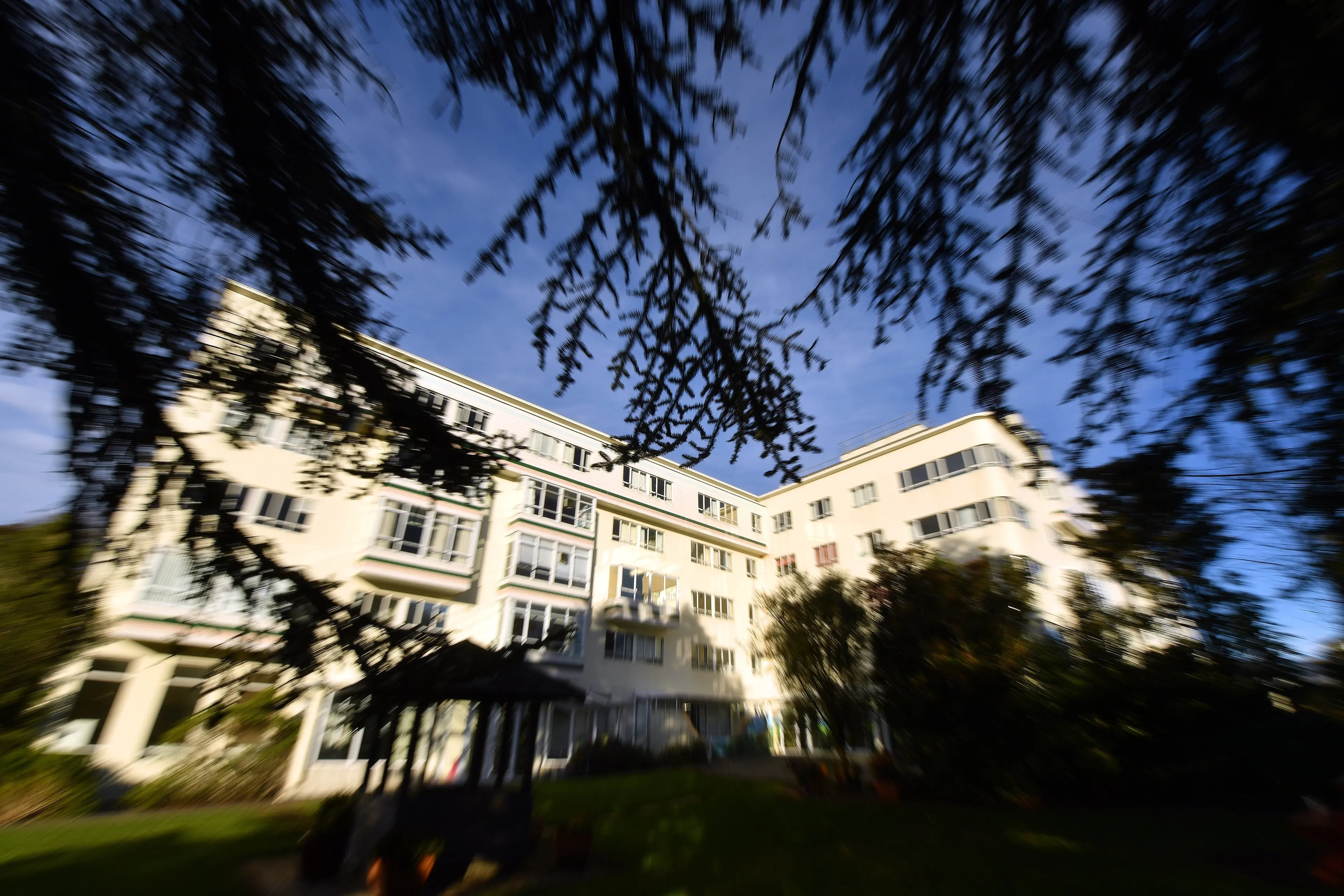
An ex-Wakari Hospital staff member says the troubled ward 10a was a “one-way street to hell”. The woman, who declined to be named, sent a letter to the Otago Daily Times in the wake of the ombudsmen’s office investigation, which found multiple incidents of patient abuse in ward 10a — the forensic ward for intellectually disabled patients. “By the time I worked on ward 10a, most staff were already casual and complacent. “They had given up interacting with patients and was quick to put the patients in the most restrictive arrangements. “Seclusion was very common for some patients and some spent month after month in horrible loneliness.”. Early last month, the government ordered the close of Wakari Hospital ward 10a in the wake of multiple report incidents. “When I saw the story come out about abuse I was not surprised. “10a was a one way street to hell. It finally reached the flames.” The ex-staffer said ward 10a would “definitely not be missed” by patients. “We should never have another ward like it in New Zealand. “We all need to learn lessons from being part of a system where nobody speak out loud enough, and those in a position to make changes don’t prioritise some of the most susceptible people in the country.” Health New Zealand Te Whatu Ora (HNZ) Southern director of operations Craig Ashton said it was progressing the closure of ward 10a as a forensic intellectual disability unit, with patients being relocated to facilities better suited to their needs. Some transitions have already occurred and work is continuing with patients, whānau, welfare guardians and receiving services to explore appropriate options for those who remain in the ward. “These decisions are clinically led and made on an individual basis to ensure transitions occur safely and appropriately. “The ward will remain operational until all patients have been safely transferred. At this stage, there is no confirmed closure date.” The Ministry of Health has also commissioned an independent inquiry into care provided at ward 10a. HNZ also committed to a broader review of forensic intellectual disability services nationally. Meanwhile, significant refurbishment work has been completed in ward 9a and further improvements are being considered over the coming months to continue enhancing the environment for patients and staff. Refurbishments are expected to be completed in September. A number of environmental improvements on ward 9b are being delivered under the HNZ’s Privacy and Dignity Funding Programme. This work is in progress and will occur in a staged manner throughout this year. “Our focus remains on ensuring patients receive safe and appropriate care in environments that support their wellbeing, dignity and rehabilitation,” Mr Ashton said. “HNZ is co-operating fully with the independent inquiry and remains committed to strengthening services and implementing improvements where required.” Public Service Association National Secretary Fleur Fitzsimons said the union’s workers were committed to ensuring that patients in the forensic intellectual disability service receive high-quality care in fit-for-purpose settings. “We support current and present staff and patients having a strong voice in the review. “Staff have been very clear for years that the physical conditions on the ward are unsafe and unsuitable, putting both patients and staff at risk.”