
PHOTO
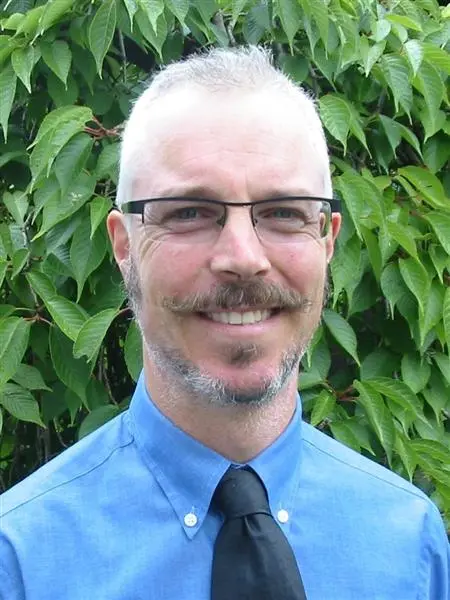
If Otago and Southland district health boards want to think radically about the way they are providing health care, they could be looking at a way for hospital and community clinicians to work more closely, Associate Prof Robin Gauld says.
Prof Gauld, who has recently returned to the University of Otago from the United States, where he was a Harkness health-care policy and practice fellow, said last week he did not believe integration between hospital and community care would be achieved until there was a mechanism for clinicians which "straddles the divide" between the two.
A key to this would be having computer systems which interacted with one another and electronic records in common so clinicians could share information, he said.
This would allow faster access to treatments for patients, and service-delivery monitoring would be much simpler, making it easier to introduce quality improvement.
He envisaged the network, including general practices, private specialists and hospital consultants dealing with a common group of patients, could extend across both Otago and Southland.
Such a system could mean that a patient visiting a GP who needed specialist attention could be given an appointment by the general practice simply going online, seeing what was available and booking a time.
If there was a delay in the public system which the patient or GP considered unacceptable, then the GP would also have access to private specialist bookings and could arrange that if necessary.
This would do away with the primary/secondary care barrier, focusing instead on the population, which was what the primary health-care strategy was supposed to be about.
An organisation such as South Link Health, which is an independent practitioners association supporting general practice, or the district health boards' information technology team, would have the ability to provide the infrastructure for it, Prof Gauld said.
There would be bound to be "a lot of reasons for why it couldn't happen", but such systems were possible in other parts of the world and functioned well, straddling " all sorts of providers of care".
The question asked should be how could it happen, he said.
His suggestion could be explored as the boards looked at the primary health organisation structure of the provinces.