
PHOTO
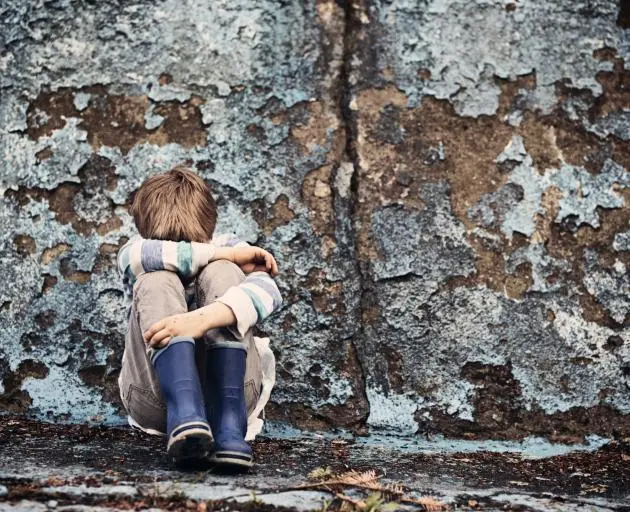
An expert on the impacts of child poverty says 50,000 more children are suffering from material hardship than three years ago.
Under the Public Finance Act, one of the legal requirements of the Budget is that the government releases a Child Poverty Report.
Child Poverty Report 2026 shows New Zealand is not on track to meet 2028 targets.
The report indicates how many children are living in poverty, as assessed by various measures, including "material hardship" which lists the extent to which children are in homes which go without essential items such as nutritious food, adequate footwear, clothing and heating.
Retired Starship Hospital paediatrician Dr Innes Asher said the latest Budget was a very bad one for New Zealand because more children were in poverty now than there were 10 years ago.
The report used government figures to show that the number of children in material hardship had gone up by nearly 50,000 between 2022 and 2025, she said.
In 2025 nearly 170,000 children were facing material hardship, she said.
"That's 14 percent - our national goal is to reduce it down to 6 percent in 2028 - we're clearly failing to move anywhere towards that."
The first few years of a child's life were the most important in determining their future, "and we need to be investing more in them not less," she said.
"The government's policies over this term have just gradually eaten away at the edges of things that can help children to thrive and this is a very bad outcome for our country."
Government policies needed to change to lift children out of poverty, she said.
"There's a myth that improving the economy will help but that never has, we've had high poverty rates even at times of very good strong economy."
Specific policies were needed to lift families' incomes and help those in the welfare system and in low paid work, she said.
Currently some people were trapped in poverty due to the way that government policies were structured and these poverty traps needed to be removed, she said.
Adequate housing for everyone was also needed as secure housing helped alleviate poverty, she said.
"If you're living in a crowded home you're at risk of getting all sorts of infectious diseases, one of the most damaging ones is rheumatic fever which damages hearts and can shorten lives ... huge cost to the health system.
"The other one is respiratory infections which we know are very common like pneumonia and bronchiolitis, chest infections that babies get."
That can lead to scarring of the lungs which can cause serious disability and early death, she said.
The latest report from Cure Kids which is State of Child Health in Aotearoa New Zealand 2026 is clear that "children are now experiencing record rates of hospitalisations with respiratory conditions" which is likely linked to poor housing conditions, she said.
It may be that their houses are damp, over-crowded and also that they are not able to get to the doctor when they need to, she said.
Poverty costs everyone and is estimated to cost about 3 to 4 percent of New Zealand's gross domestic product (GDP), she said.
The OECD did a report on New Zealand which showed "rising inequality knocked more than 10 percent off growth in New Zealand," she said.
"So if you're just interested in economic growth, which we know we all are, then you have to be very interested in child poverty cause it's really cutting us off at the knees."
