
PHOTO
It seems a counterintuitive thing for a supremely talented leading man and gifted performer to say, but one of Sam Neill’s biggest fears was being caught out acting.
‘‘I have been caught acting in the past and it's hard to watch,’’ he once confessed.
‘‘I was flicking through the channels the other day and saw a film I'd appeared in which I hadn't seen or thought of for 20 years. It was interesting. This is one of the few jobs where you can see how you were 20 years ago.
‘‘There were moments which were acceptable and one or two which were quite good but there were other entire scenes where I was mortified because I couldn't believe how bad I'd been.’’
Neill might disagree — he set very high standards for himself — but there were not that many scenes where Nigel John Dermot Neill was anything less than good. Often he was the epitome of excellence.
He had an innate, instinctive ability to convey a great deal to the audience with the slightest of gestures, intonation or look. That rare skill no doubt fuelled his distate for acterly over-exuberance but also was the catalyst for an unlikely and incredible rise from
semi-professional theatre in Wellington to starring in Hollywood blockbusters.
Neill was born in 1947 in Omagh, County Tyrone, Northern Ireland. His mother Priscilla was English, his father Dermot was a descendant of the family which founded Dunedin mercantile firm Neill and Co, who was serving overseas as an officer in the Royal Irish
Fusiliers.
Aged seven the Neill family returned to New Zealand, initially settling in Christchurch before moved to Dunedin in 1955. The transition was not an easy one, as Neill sets out in his highly entertaining autobiography Did I Ever Tell You This? A Memoir, but the shy
boy with a stammer did enjoy roaming the streets of Macandrew Bay, and further afield.
Around that time Neill turned his back on the name ‘‘Nigel’’ and, perhaps wanting to blend more into the background, adopted what he felt was the more nondescript moniker of ‘‘Sam’’.
In 1961 Neill was back in Christchurch as a boarder at Christ's College before, unsure what he wanted to do with his life, he signed up for law school at the University of Canterbury.
As an aspiring lawyer he was a complete washout — somewhat ironically, given that one of Neill’s best later career roles was playing defence lawyer Brett Colby in Australian drama series The Twelve.
‘‘I’m a frustrated barrister – I would have quite enjoyed the performative aspect. I’m quite good on my feet,” he once said of that role.
What Neill did gain from his time at Canterbury was a taste for acting. He appeared in several university productions, and was directed by revered author Ngaio Marsh in a Drama Society production of A Midsummer Night’s Dream.
Neill transferred to Victoria University in Wellington in 1970 where he finally, belatedly, completed his BA in English literature.
However, by that time he had started to act at Downstage, just as theatre began to move from amateur dramatics to professionalism. One notable role was in a play directed by Richard Campion: Neill would later have a pivotal role thanks to his daughter Jane.
Not that acting paid enough to make a living from: Neill was making ends meet by writing and directing films for the National Film Unit, as well as appearing in the occasional film himself, before landing the role that changed his life.
Director Roger Donaldson wanted an actor for his 1977 action thriller Sleeping Dogs who could convince as an everyman caught between the conflicting factions of state police and societal rebels. Neill, who was on the verge of quitting acting for more secure employment,
was cast and his performance widely praised — in New Zealand and, more crucially, overseas.
Determined to give acting one last determined crack Neill moved to Australia where he landed several television roles and another acclaimed film role, in 1979’s My Brilliant Career.
Neill was an actor on the rise and in 1981 he landed his first true overseas role as Damien Thorn in The Final Conflict, the final film in The Omen trilogy. Soon after he landed a leading role in underrated psychological horror film Possession, and Neill was on the verge of becoming established.
In 1982 Neill was cast in period TV drama Ivanhoe and met famed Hollywood leading man James Mason, who had a minor part. The veteran actor and the young Kiwi hit it off and Mason became a mentor.
‘‘He was a good friend,’’ Neill said.
‘‘I liked the way Mason would draw you into his performance, and I liked the way he could be light and dark in equal measures.’’
That was a quality Neill brought to what for many back in New Zealand was his true breakthrough role, as real-life spy Sidney Reilly in a 12 part series for Britain’s Thames Television, Reilly Ace Of Spies.
Not only was Neill incredibly good in a role which put him firmly, but ultimately unsuccessfully, in the frame to become the next James Bond, but it was a performance which inspired a generation of Kiwi actors watching one of their own in a primetime overseas
TV hit that maybe they could do it too.
There were still a few lean years ahead for Neill however, who mixed work in Britain and US TV with Australian film appearances.
In 1988 he landed a dream role, playing opposite rising superstar Meryl Streep as Michael Chamberlain to her Lindy Chamberlain in Evil Angels, a dramatisation of the high-profile disappearance of their daughter Azaria and the ensuing legal dramas.
In turn he was then cast opposite another star in the making, Nicole Kidman, in a successful remake of the thriller Dead Calm. With just Neill, Kidman and Billy Zane vying for screen time Neill could really show what he had and impress watching directors. One of
those was Steven Spielberg, who filed Neill’s name away for future reference.
In 1990 Neill made two films, roles which set in place the way he would manage his subsequent career.
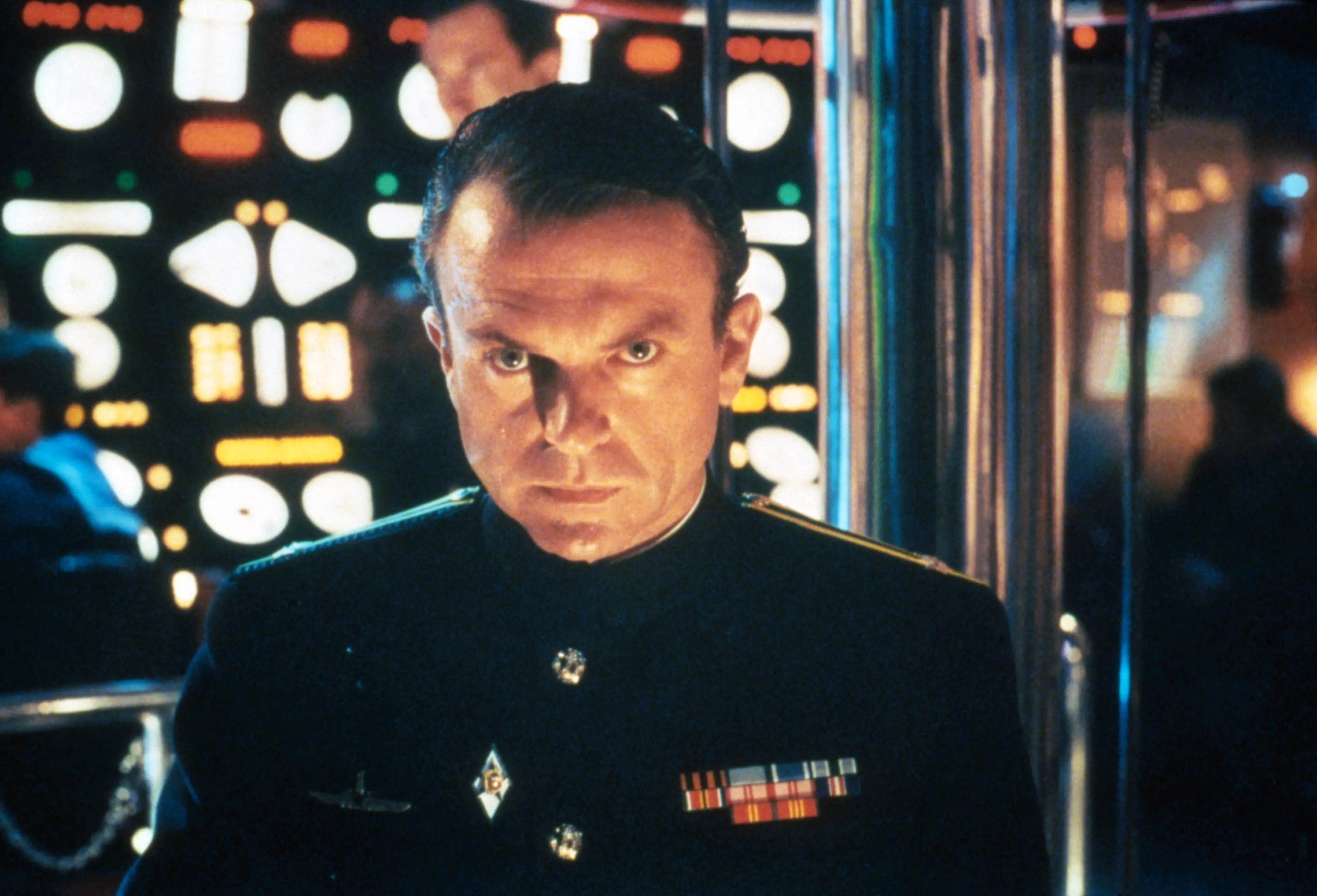
One was the Hollywood submarine blockbuster Hunt For Red October, in which Neill more than held his own opposite Sean Connery. The other was Aussie indie film Death In Brunswick, a black comedy where Neill played a hapless cook opposite Kiwi/Aussie comic
genius John Clarke and, again was far from overshadowed.
‘‘I've tried not to be typecast. That's been deliberate really,’’ Neill said of his career.
‘‘I'd be bored if I was just doing one type of film, and also I'd be pretty antsy if I was just working in one particular country. It's good to get back to New Zealand and Australia every once in a while to make a film because I feel more at home in that part of the
world.
‘‘It's great working in Hollywood every once in a while though. Everyone knows who I am and I can get a decent table in a restaurant.’’
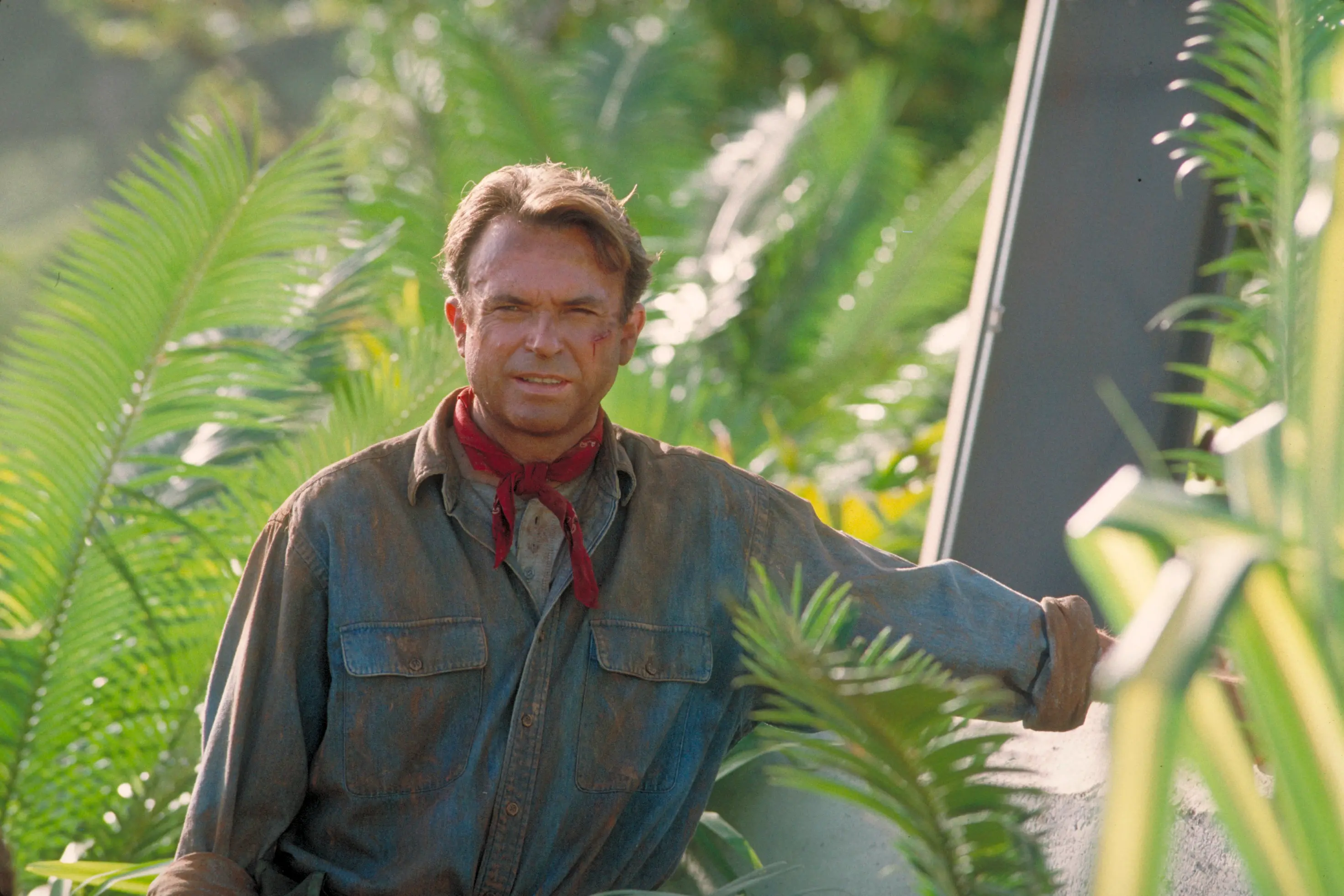
That was especially so after 1993, in many ways Neill’s annus mirabilis. The year commenced with his leading role in Jane Campion’s Cannes and Oscar-wining film The Piano, and ended with Neill starring in Spielberg’s dinosaur box office smash Jurassic Park.
The director had originally planned that Harrison Ford would play paleontologist Dr Alan Grant, but after he turned it down Spielberg recalled the Kiwi he had seen in Dead Calm. Neill delivered a measured and well thought out performance in which he took
a leading role but never lost sight of the fact that the reptiles, not the humans, were the stars of the film.
Jurassic Park went on to become the highest grossing film of its time, and Neill later reprised the role in Jurassic Park 3 — ‘‘There's a lot of running around the place in terror. I'm pretty fit at the moment,’’ he joked after filming it — and Jurassic: World Dominion.
Spielberg paid Neill a handsome tribute after his death, calling him an exceptionally collaborative actor.
‘‘It was a stretch for him to play a character who acted as though children were messy and smelly because this was the opposite of the loving father he was to his children.
‘‘I adored making all the Jurassic movies with him. Along with Laura Dern and Jeff Goldblum, we will always have our Jurassic family and Sam will never be forgotten by us or his many millions of fans around the world.”
Neill had four children; Andrew (who was given up for adoption when Neill was in his early 20s, and with whom Neill later made contact), Elena, adopted daughter Maiko, and Tim.
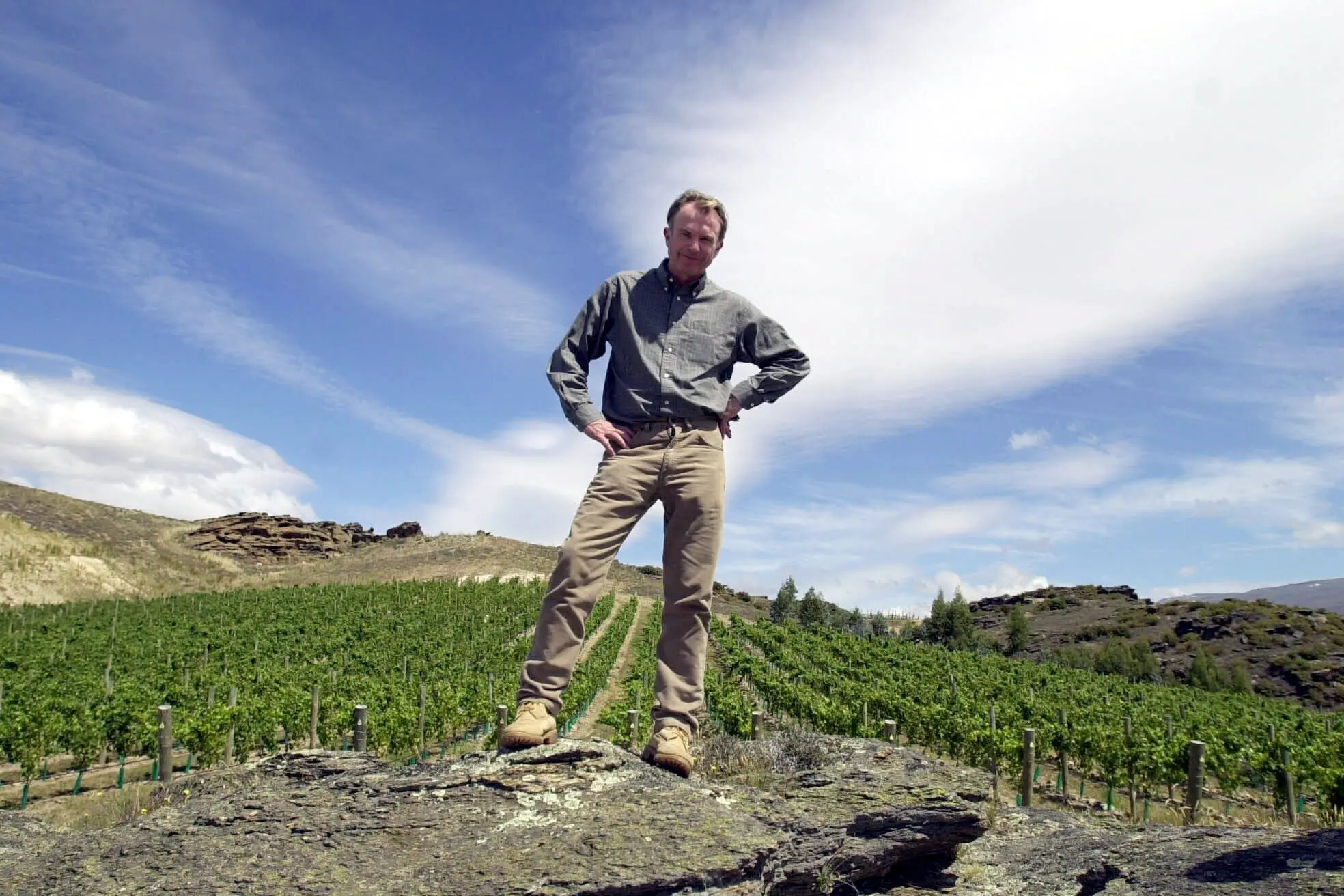
The earnings from appearing in such a successful film financed a passion project of Neill’s. Having always loved the rugged Central Otago landscape, he built a home there and set up what would become the highly successful Two Paddocks vineyard.
Originally intended as a hobby vineyard making wine for his personal pleasure, Two Paddocks became one of the region’s most respected producers. Neill was no hands-off owner, taking a strong interest in every vintage and relishing his time at home, where he
could simply be Sam, the neighbour down the road, rather than a movie star.
He also took a strong interest in local issues. Neill famously had a heated stoush with then Queenstown mayor Warren Cooper over what Neill felt was dangerous over-development of the region, and more recently he was at the forefront of opposition to proposals
to build a gold mine in Bendigo.
Sir Sam as he now was — Neill was awarded the equivalent of a knighthood in 2007 and accepted the title of Sir in 2022 — had attracted plenty of vitriol and flak for his stance, but it was notable that despite their differences many mine supporters paid rich tribute
to his achievements upon news of his death.
That was far in the future though, as from 1994 onwards Neill still had a panoply of starring roles ahead of him.
Notable and varied parts followed, including King Charles II in Restoration (‘‘A dream part, like a pavlova cake, and I consumed it with gusto”), engineer Cliff Buxon in The Dish, horse trainer Paddy Payne in Ride Like A Girl, Mr McGregor in animated feature Peter
Rabbit, and Odin in two Thor movies.
Neill also paid his respects to New Zealand cinema, appearing in the likes of Toa Fraser’s Dean Spanley, Gaylene Preston’s Perfect Strangers, Jonathan King’s Under The Mountain and Taika Waititi’s Hunt For The Wilderpeople, a late career smash hit thanks in
no small part to a bravura performance by Neill.
Neill also had one more TV hit series in him, period Birmingham gangland drama Peaky Blinders in which he deployed his trademark range of deft facial expressions to good effect as Major Chester Campbell.
Neill also made films of his own. Cinema of Unease: A Personal Journey by Sam Neill, released in 1995, was a landmark exploration of Kiwi cinema, and he also made documentaries on Gallipoli, and the Pacific journeys of Captain Cook.
Humble, generous and possessed with a wicked sense of humour, Neill had no airs or graces and never took himself too seriously. He was passionate about music, the arts and conservation, being a private and public supporter of performers and programmes.
Neill was not above using his celebrity for causes, both political and charitable, but he also knew how to have fun with his status, During Covid lockdown Neill endeared himself to millions worldwide also shut up at home by making a series of hilarious, increasingly
daft and whimsical videos on his beloved farm which gently sent up his friends but also roasted himself.
In 2022 Neill was diagnosed with a rare form of blood cancer, which he faced with typical stoicism and humour: in 2023 he said ‘‘I’m not afraid to die but it would annoy me, because I’d really like another decade or two, you know?”
We, and he, did at least get three more years. In April Neill announced that he was cancer-free thanks to a new treatment but, cruelly, while in Australia he contracted pneumonia and died on July 13 aged 78.
His legacy will not only be a rich history of film and television but also his deep love of the place he called home and commitment to its promotion and protection.