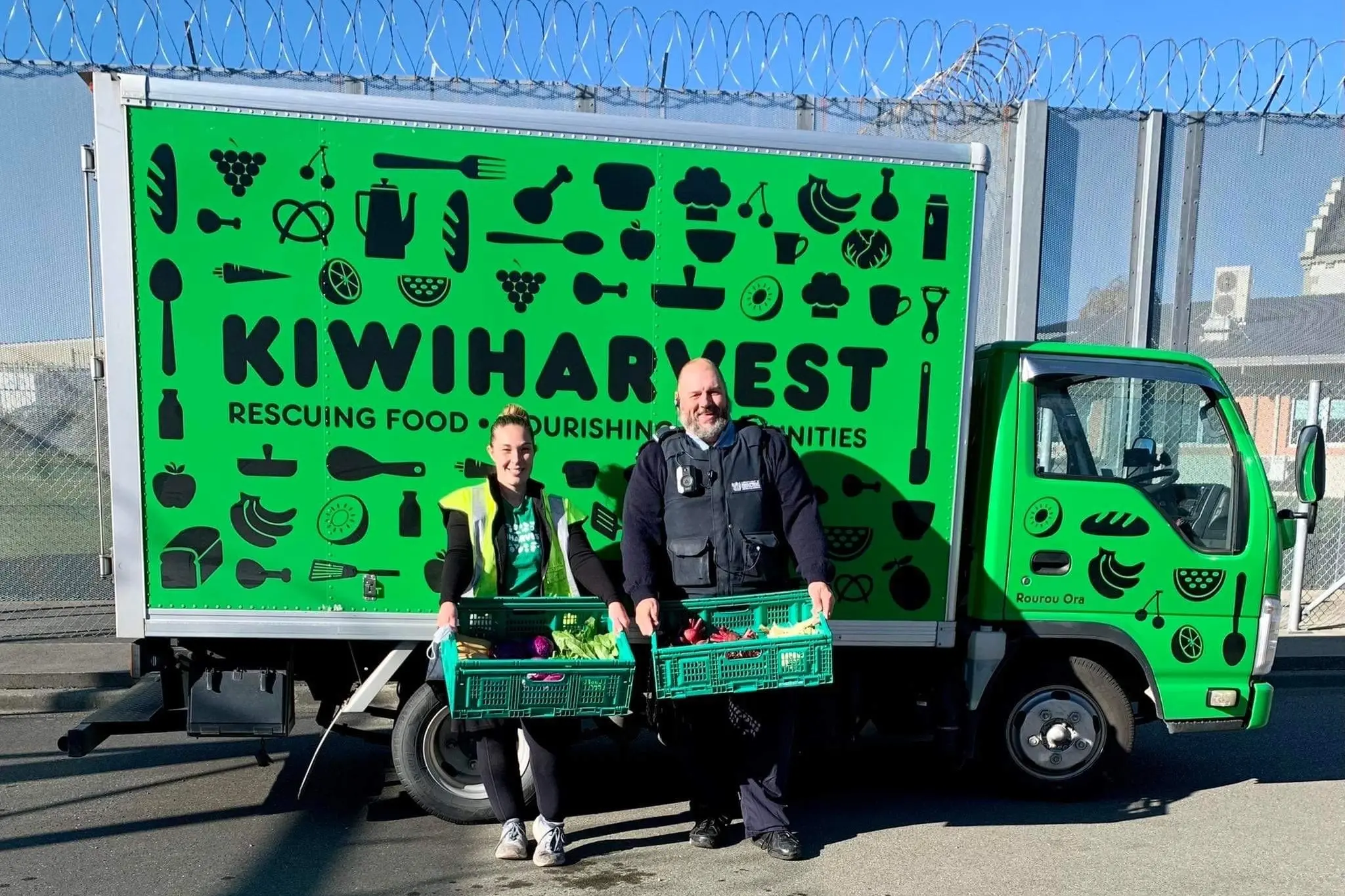
Five community agencies got the green light for projects after Tiwai Smelter’s 2026 Community Development Fund allocated almost $370,000 from its annual $500,000 community development fund. The grants were the first tranche of its annual CDF round, which has been jointly administered NZAS and Murihiku Rūnaka for the past four years to support a diverse range of organisations and initiatives. Te Rūnaka o Awarua representative Jacqui Caine said she was it was delighted the CDF supported so many worthwhile and influential projects. “Once again, we were impressed by the quality of the applications received, and proud to support a diverse range of projects delivering long-term, positive benefits for Mana whenua and the wider Murihiku community.” Southland Free Kindergarten Association chief executive Patrick Edwards said the $15,000 grant will allow the organisation to launch a mobile play trailer to enable pre-school children across the wider Southland community to experience play-based learning activities. The association operated 24 kindergartens Southland-wide, but the trailer would allow staff to visit communities that had limited access to early childhood education opportunities. It hoped the trailer would be ready to launch at Christmas in the Park. “It’ll be good for us just to have a presence there and displaying [the trailer] and letting people know that this service is out there now.” KiwiHarvest chief executive Jennifer Stephens said the Rio Tinto grant would allow the charitable food distribution organisation to invest in an electric forklift that would significantly improve its operations. “It’ll just help our operations no end.” “Being electric, obviously, we’ve currently got an LPG one, so that will help reduce costs for us as well and make it more sustainable …” The new model would also have the ability to tip large produce bins that were currently moved manually. It was the second grant KiwiHarvest had received from Rio Tinto — the first provided funds to buy a refrigerated truck. Stadium Southland chief executive Jo Hutton said the stadium’s grant would be used to install LED lighting on five community courts. “It’s something that we’ve been wanting to do for a long time,” she said, but costs had been a major barrier. “As we get over half a million people a year through our door, things get pretty worn out. “It’s always a bit of a juggle to decide which priority projects to do next.” She expected the new lighting would use 50% less power than the current fluorescent tubes. Alongside the reduced energy use, the new lighting would reduce maintenance and operational costs while improving light quality for stadium users, she said. “We’re so excited to be able to give them a better experience.” The biggest challenge Stadium staff now had to face was when they could be installed, without impacting its operations. Ms Caine said community safety initiatives were included in the first funding tranche, with Bluff Coastguard receiving full funding for an electronic navigation system for maritime rescue missions. The new electronic system was considered a high-priority need and was expected to have a significant impact for Foveaux Strait’s mariners and fishers. Southern REAP also received funding for the DriveMyLife — Taraiwa Mataora, driver mentoring programme. The referral-based programme supported vulnerable whānau in Murihiku to gain their driver’s license to create pathways for increased confidence, personal growth, work and education.