
PHOTO
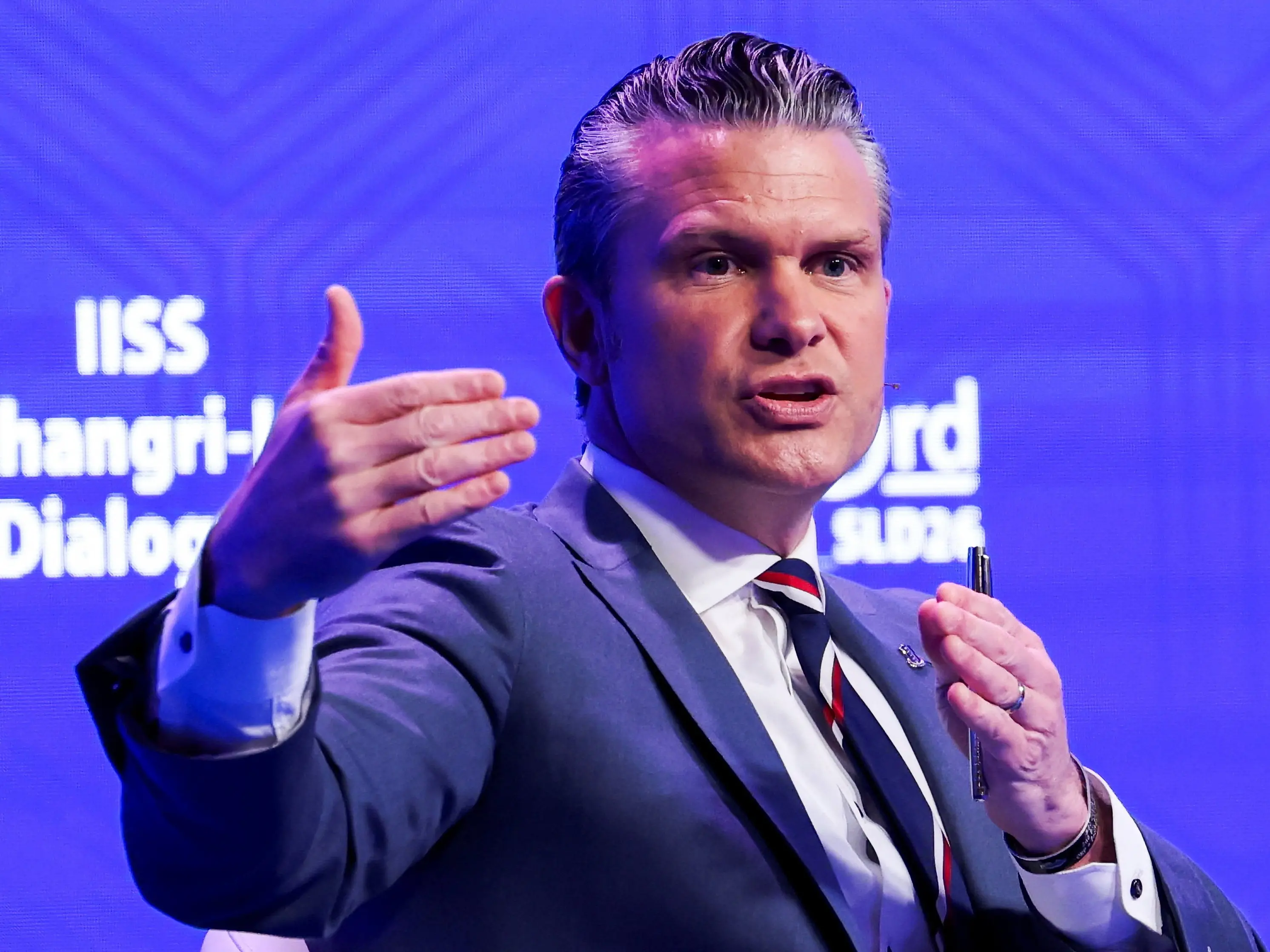
Recent comments by United States Defence Secretary Pete Hegseth describing New Zealand as ‘‘free-loading’’ on American defence efforts are likely to have irritated many New Zealanders.
Some will dismiss the remark as another example of great-power arrogance. Others may wonder whether there is at least some substance behind the criticism.
Either way, the comment raises questions that extend well beyond defence spending. It touches on New Zealand’s place in an increasingly uncertain world, our international responsibilities and the role we wish to play in the years ahead.
Over recent months the Otago Daily Times has published a number of articles and letters examining New Zealand’s strategic choices in a changing international environment.
Yet despite the significance of the issues involved, there appears to have been remarkably little wider public discussion.
The silence itself raises an important question: where is the forum in which New Zealanders are expected to consider and debate matters of such consequence?
The issue extends beyond defence spending, foreign policy or international relationships. It raises a broader democratic question: how does New Zealand determine public opinion on matters of major national importance?
Few politicians begin their careers as diplomats, military strategists or foreign policy experts, yet they are routinely called upon to make decisions in all three fields.
That reality alone highlights the importance of informed public discussion and access to a broad range of viewpoints.
Unlike the issues that dominate daily political debate, strategic questions seldom demand immediate answers. Yet decisions concerning defence priorities, international partnerships and foreign policy can shape the country’s future for decades.
Citizens are entitled to understand the options available, the risks involved and the consequences that may follow.
Historically, newspapers, broadcasters and other media have performed an important civic function. Their role has not simply been to report events but also to provide a forum in which important issues can be explained, examined and debated.
Informed public opinion rarely emerges spontaneously. It develops through the testing of ideas, the presentation of competing viewpoints and the opportunity for citizens to participate in the discussion.
Seeking answers to this question, I recently wrote to a number of elected representatives asking how governments determine public opinion on issues such as foreign policy and defence.
The acknowledgements were prompt and courteous. However, the central question remains unanswered: through what process are New Zealanders expected to consider and discuss matters that may have profound implications for the country’s future?
Whether Hegseth’s criticism was justified is ultimately a matter for debate.
The more important issue is whether New Zealanders are being given the opportunity to engage in that debate. Before governments can claim public support for major strategic decisions, citizens must first have the opportunity to hear the arguments, weigh the alternatives and form their own conclusions.
Democracies are strengthened by informed debate, not by assumptions of consent.
If New Zealand is indeed facing important choices about its future place in the world, then the first requirement is not agreement, but discussion.
• Graye Shattky is a retired New Zealand Army officer and former instructor at the Australian Officer Cadet School.