PHOTO
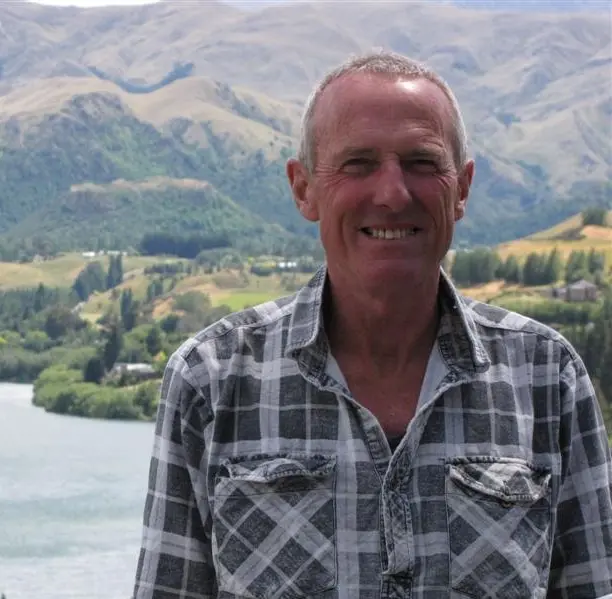
When the Queenstown Lakes District Council voted in October to adopt commissioners' recommendations creating a boundary around Arrowtown, farmer Roger Monk left the meeting.
Despite Mr Monk being a promoter of the proposed Arrowtown South development, the reason for the privately lodged Plan Change 39, he was unaware of the commissioners' recommendations - to refuse the plan change - until it was discussed by the council.
After the council adopted the recommendation, Mr Monk, who has lived and worked beside the town for almost 50 years, got in his car and drove away.
Phone calls either went unanswered, or straight to voicemail.
"I didn't talk to anybody. I didn't feel that public comment was warranted until I had read the decision," he said.
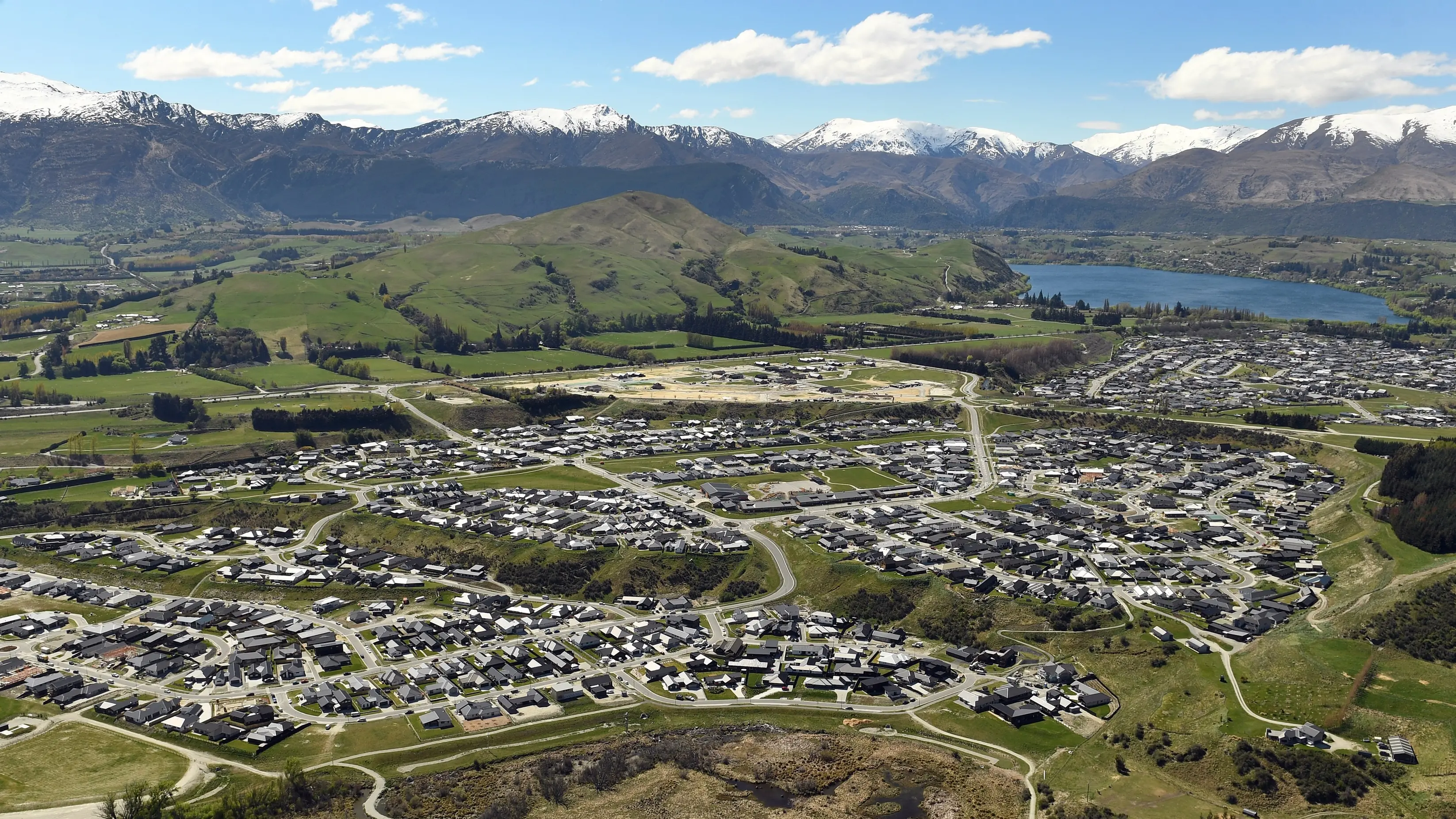
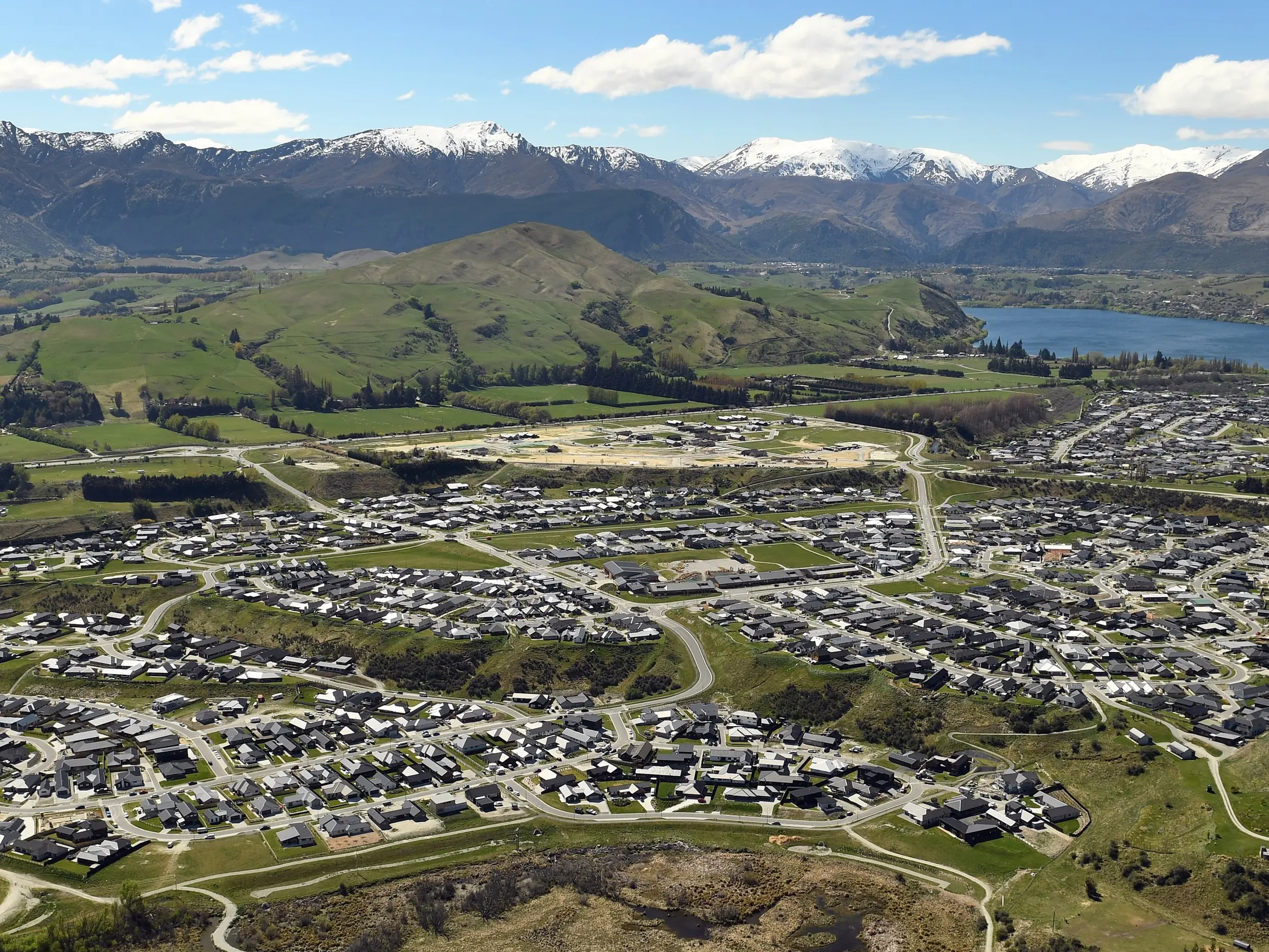
The proposed Arrowtown South development, to be bounded by Centennial Ave, the Arrowtown Golf Course and The Hills Golf Course on McDonnell Rd, had been put together by eight landowners, including the Monk family.
Plan Change 39 provided for up to 215 homes on 17ha of the land, with 12ha as publicly accessible open space and a 1ha "community hub" featuring a village store, child-care centre and other facilities.
It was heard early last year, alongside two other plan changes - Plan Change 29, specifically addressing a boundary for Arrowtown, and Plan Change 30, which considered district-wide initiatives for urban growth, including the concept of urban boundaries.
After the hearings came months of deliberations.
The commissioners then recommended the Arrowtown boundary be put in place around where the township is already established, and they rejected the Arrowtown South proposal.
"I'm still struggling to get my head around the fact ... the doors [to Arrowtown] are firmly locked and young people need not apply," Mr Monk told the Otago Daily Times.
"Arrowtown is going to become an exclusive retirement holiday destination for the well-heeled sector, rather than the mix of population that we have at this present point in time. It makes it what it is today. It seems bizarre over the last 50 years we have watched Arrowtown grow the way it has, with its mix of cribbies, young people, the middle-aged and retired, and now we are about to put a fence around it and change it into something that's different."
During the submission process, many people were opposed to changing the face and character of the town.
However, Mr Monk contends of all the options before the commissioners and the council, the option chosen will "change it more than any other decision really would have".
The purpose of Plan Change 29, as it read, was "to define an urban boundary for Arrowtown.
This will incorporate land that will provide for the full range of activities needed to support the settlement's urban population over a 20-year time horizon."
Plan Change 39, Mr Monk said, offered a "practical solution" to achieve the outcomes of Plan Change 29.
"What they wanted to achieve was a 20-year [plan] for Arrowtown, but they didn't."
What the commissioners and subsequently the council had done was enable the creation of an exclusive town, which would inevitably drive young people away.
"Affordability is going to be a big issue. Things like the rugby club, which has been punching above its weight for the past 10 years, and the Arrowtown Volunteer Fire Brigade, those are the organisations that are really going to struggle because young people aren't going to be there to keep them going and that's sad. Arrowtown is going to change, Arrowtown will keep changing. The sure-fire way to change it is to put a ring around it and shut it up. That will have the most detrimental effect of anything."
The 2006 census recorded 2151 people living in Arrowtown - an increase of 459 people (27.1%) since the 2001 census.
At July 1, 2009, there were 1458 rateable properties in the town.
The council's projections show that by 2021, 2704 people were expected to live in Arrowtown, increasing to 2768 in 2029.
Tania Flight, Mr Monk's daughter who was born and bred in Arrowtown, has witnessed the changing nature of Arrowtown her entire life.
She compared it with Queenstown Airport.
Fifty years ago, when the airport was little more than a tin shed on a piece of land at Frankton, it would have been difficult for anyone to foresee that by 2010 it would be a full-scale airport with transtasman flights.
"At any point in time you could say `I love Arrowtown the way it is', but over time it's different. I accept that it's not the way it was when I was 10, but plan it, don't stop it and don't pretend you can stop it," Mrs Flight said.
The Arrowtown South proposal provided a "solution" for the town, allowing for expansion in a planned, controlled and sympathetic way.
"Maybe not to the letter of what we have proposed, but something. We're saying 'this could be a good solution for Arrowtown' - maybe it's not perfect, but let's sit down and talk about it."
Mr Monk said it was possible the mention of "215 houses ... frightened people a little bit".
"Maybe that's a 30-year plan [but] there was nothing `cynical' about our proposal. It's a plan. We are passionate about Arrowtown - I've watched it grow for almost half a century.
"It's changed, it's going to keep changing and I don't think [what's been proposed] is the best way forward."
Arrowtown South has untilthe middle of this month to lodge an appeal with the Environment Court.