
PHOTO
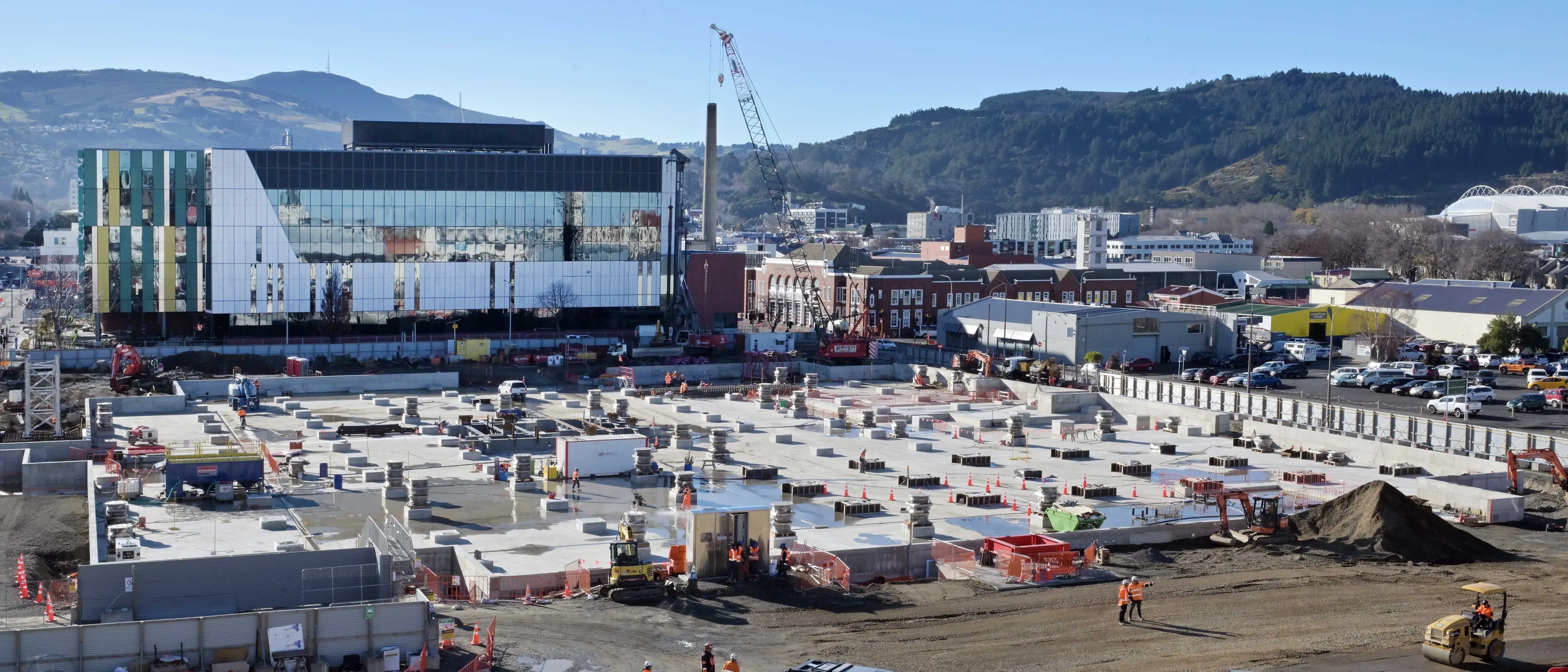
Police are worried the construction of the new Dunedin hospital will impact emergency services getting to accidents, while a suggestion has been made the Stewart Island ferry should receive public money.
The Otago and Southland Regional Transport Committee met in Gore this week and was looking to start work on the draft Otago Southland Regional Land Transport Plan 2027-37.
Feedback had been gathered from stakeholders and numerous challenges were identified in the region.
No formal submission process was used — issues were worked out through face-to-face meetings with stakeholders.
Road police said in its feedback tourist drivers were unfamiliar with the roads and driving conditions, posing a considerable safety risk.
"Given the long distances people are travelling, driver fatigue is a major problem," police said.
The stretch of State Highway 1 between Hampden and Palmerston, specifically around the Moeraki Boulders turnoff, was recognised as a high-risk area.
The stretch of State Highway 1 from Milton to Titri was widely considered a high-risk area for serious and fatal road crashes and Waihola to Titri was exceptionally high risk.
Greater safety interventions need to be put in place, such as double yellow lines or barriers.
Concerns were raised about the new Dunedin hospital and potential impacts on fire, ambulance and police services.
"Specifically, how the upcoming road closures may impact the ability to respond to events.
"A major challenge for policing in Otago and Southland was the vast geographic scale of the region relative to its small, dispersed population.
"This creates a funding gap, as the significant travel and resourcing required makes it harder for monitoring and meet targets."
Tourism giant Real Journeys questioned the lifetime of the Stewart Island ferry, in regards to its patronage, high costs and ageing assets.
The ferry should be an essential service for the Stewart Island community, the company said. It called for public funding for the service.
The ferry was also still run on diesel, which needed to change.
The push is on to get people out of their cars to get to Milford Sound and it was pushing for park and ride facilities in both Queenstown and Te Anau to get to Milford Sound.
But Real Journeys said attracting and retaining coach drivers was extremely challenging.
Speed limit reductions made it hard to complete a full Queenstown–Milford round trip with one driver due to maximum driving hour limits.
Destination Queenstown, Lake Wānaka Tourism, Tourism Central Otago, and Tourism Waitaki said the tourism industry had been ignored by the land transport plan.
"There is a distinct absence of the tourism sector in the RLTP material provided. Explicit reference should be inserted to better reflect the sector as a source of transport demand and a significant economic driver," the organisations said.
The plan needed to recognise the wellbeing of visitors, as they were a key user group of the transport system and a significant contributor to the economy.
The poor consideration of visitors in transport planning caused locals to have more negative sentiments towards tourism.
Tourism and Transport were siloed, resulting in interdependencies and co-benefits not being addressed.
Dunedin Tracks and Trails said differences were arising between funding criteria and its broader objectives.
It said, for example, funding criteria may prioritise parts of the network that are believed to deliver greater economic benefits while the trust’s focus was to invest in linking up the wider regional trail network.