
PHOTO
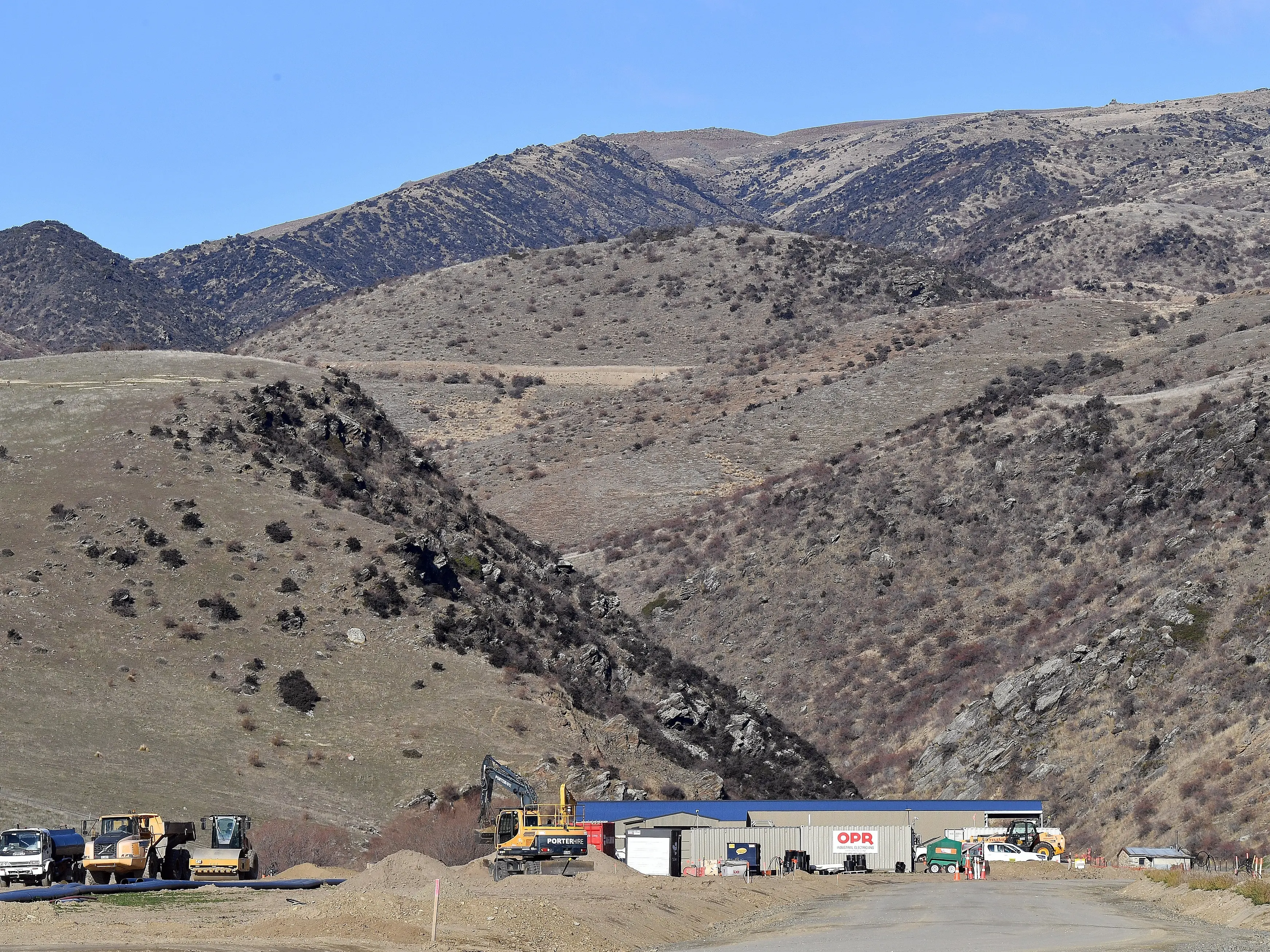
Heritage values and lizards triggered sharp disagreement between Santana’s consultants and other conservation and archaeology experts, as critics argued Santana’s information downplays the site’s heritage significance and ecological value.
Santana Minerals’ heritage consultant, Naomi Woods, told the panel its heritage assessment followed Heritage New Zealand criteria and concluded the Bendigo sites were not of a standard comparable to locations being considered for Unesco recognition.
However, Department of Conservation heritage adviser Matt Schmidt and other archaeologists criticised Santana’s methodology, arguing it reflected a low level of protection and lacked detail.
Sustainable Tarras representative Matthew Sole said the assessment failed to adequately recognise the site’s nationally significant heritage values, particularly its cultural layers, describing the evidence as "cherry-picked" and the assessment of effects as "undercooked".
While mitigation options existed for some impacts, Dr Woods acknowledged no clear solution had been found for the effects of blasting, vibration and dust on heritage sites. The panel requested further information from Santana on possible mitigation measures.
Evidence on lizards revealed even greater disagreement.
Nine expert witnesses were unable to reach consensus on which species were present, how many lizards occupied the site, where they lived, the likely impacts of mining, or whether salvage and relocation could be carried out effectively and ethically.
Most experts agreed McCann’s skink, Southern grass skink and Kawarau gecko were present, while the presence of several other species remained uncertain.
Five experts estimated the 610-hectare mining footprint supported around 500,000 lizards.
However, opinions differed sharply on the scale and duration of impacts.
Some believed rehabilitation could eventually restore habitat across part of the site, while others considered most habitat loss, particularly for Kawarau geckos and Southern grass skinks, to be permanent.
Experts also disagreed on the national significance of the impact, estimating potential effects on Kawarau gecko populations ranging from 0.1% to 7%.
Most agreed that not all lizards could be salvaged and that current plans could be improved.
Evidence around water issues took up two days.
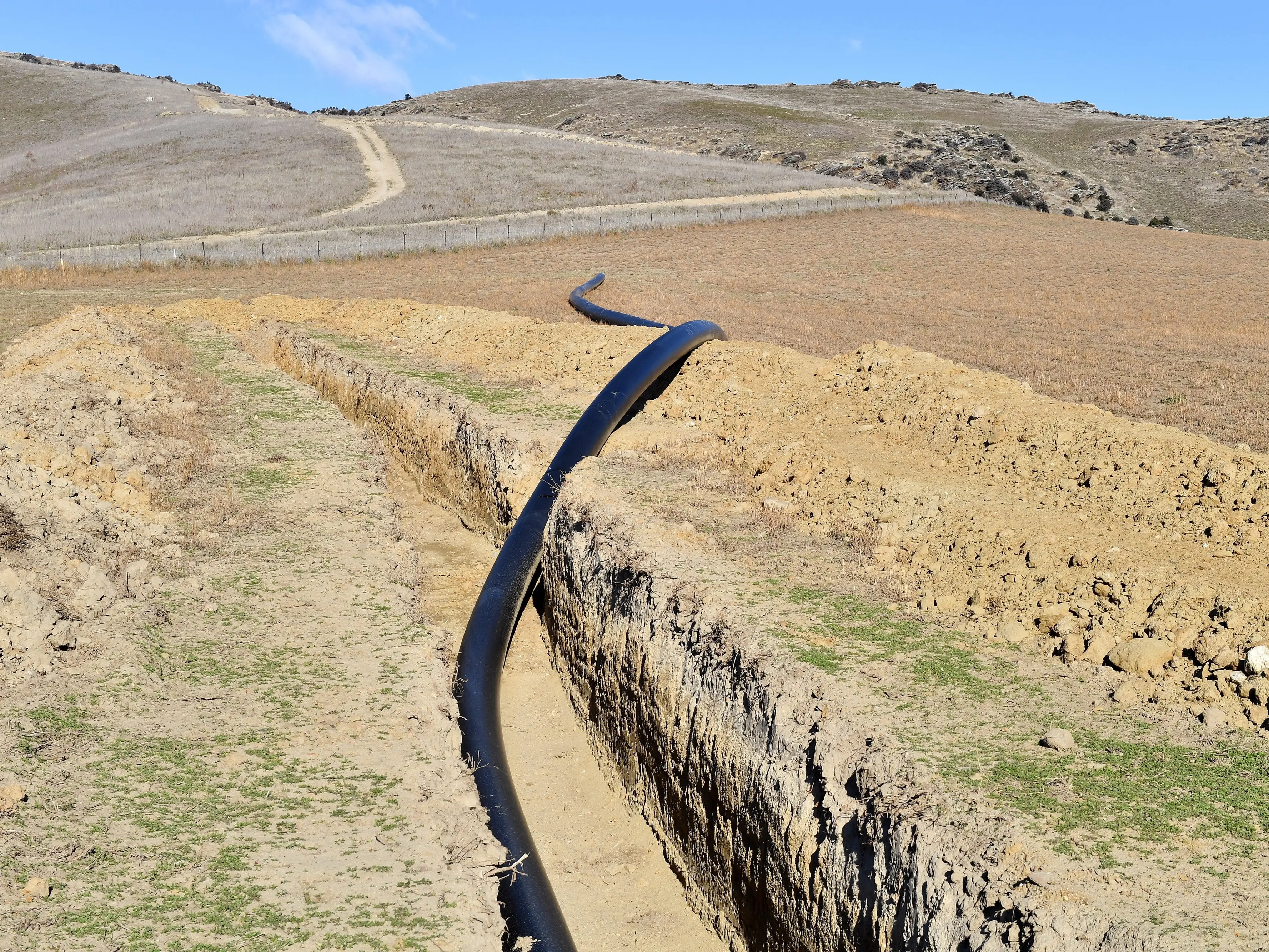
On behalf of Fish & Game Otago, water scientist and ecologist Kate McArthur, of Palmerston North, said there was significant uncertainty about water movement, contaminant pathways, and the reliability of the applicant’s modelling. Important receiving environments such as the Ardgour and Bendigo aquifers had not been adequately assessed.
She also highlighted major gaps in baseline water quality and ecological information, noting that key values including irrigation, stock water, recreation, and trout habitat had not been properly evaluated.
Given the lack of information, she said the long-term environmental effects could not be confidently predicted or managed, and that much more work should be completed upfront to better understand potential impacts.
Santana stood by its water modelling and evidence on Monday this week, saying it had followed standard practice in projects of this size.
Eleven experts, including six from Santana gave their evidence to the panel on Monday.
Senior hydrologist Ryan Burgess, appearing for Santana, said there was always more you could do but at some stage you had to be happy with the information you could get and what could be done with it.
He outlined the work which had been done to get data, including hundreds of drill holes and digital readings which helped create a base line.
"While there are some limited data gaps, we aim to fix those. In my opinion the base line provides a reasonable base for likely drawdown patterns and seepage migration," Mr Burgess said.
Further programmes were proposed to fill those gaps and more information would come the further along the project was.
Environmental Defence Society expert witness Leanne Morgan requested more drilling holes be put in the ground and there be more records on the water flows.
Many doubts still remain around ground and surface water, she said.
Senior hydrogeologist Jens Rekker, appearing for Santana, said Shepherd’s Creek and the Rise & Shine valleys had steep topology, which would help reduce the seepage.
Environmental Defence Society expert witness University of Canterbury Professor Jennifer Webster-Brown said she was surprised the applicant had not looked at an alternative to the large pit lake.
She said a 3 million-tonne lake with arsenic sitting on the site for 110 years was " not just a problem for the ducks when landing on it but just the perception of it — a large toxic lake is just going to sit there and not really change for 100 years".
She was not really seeking an answer from the applicant but more making an observation.